
It was a very foggy morning! But by the time we arrived in Walvis Bay it had cleared and we could see the beautiful dunes in the distance.

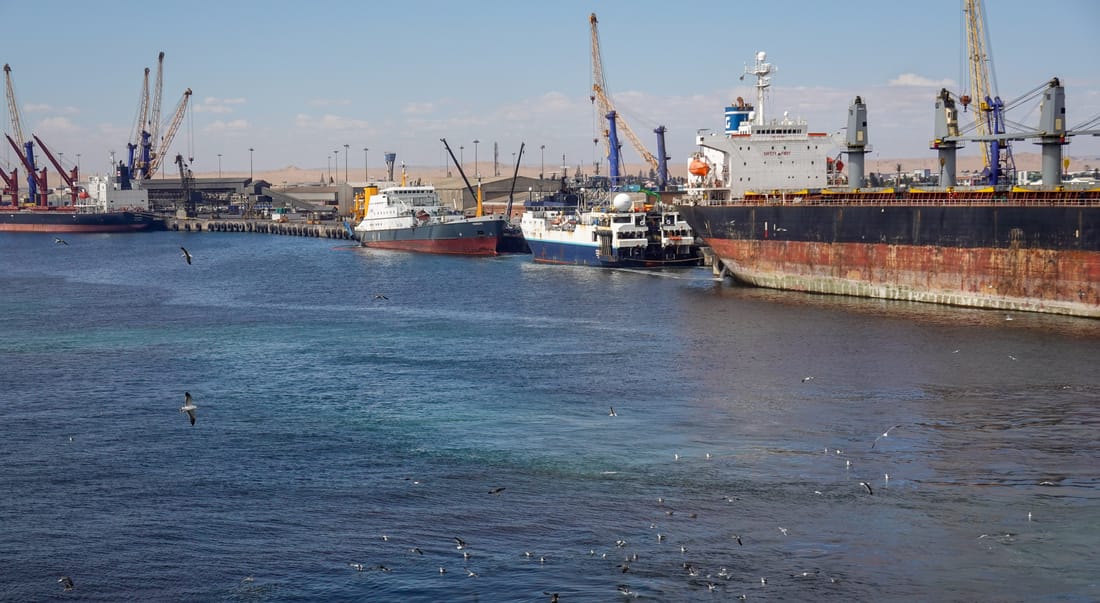
We haven’t been off the ship since Cape Town, missing our first scheduled port in Namibia due to our late departure from Cape Town, and almost missing this port as well. We weren’t going to get in to Walvis Bay until 3:00 pm so all excursions had been cancelled and a hastily put together “special event” was offered for the few hours of daylight that we would have. Dale and Bob opted not to go but Brenda and I went, thinking that something was better than nothing and since the ride out to it would be over an hour we figured we’d at least see some of the countryside.
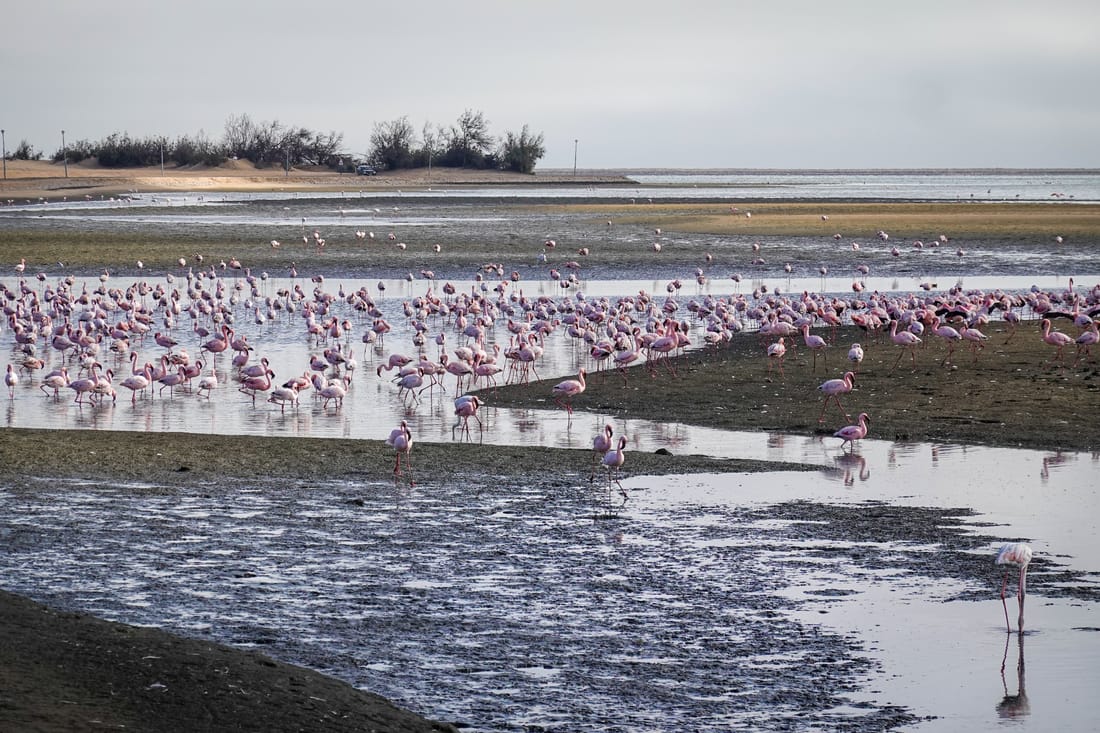
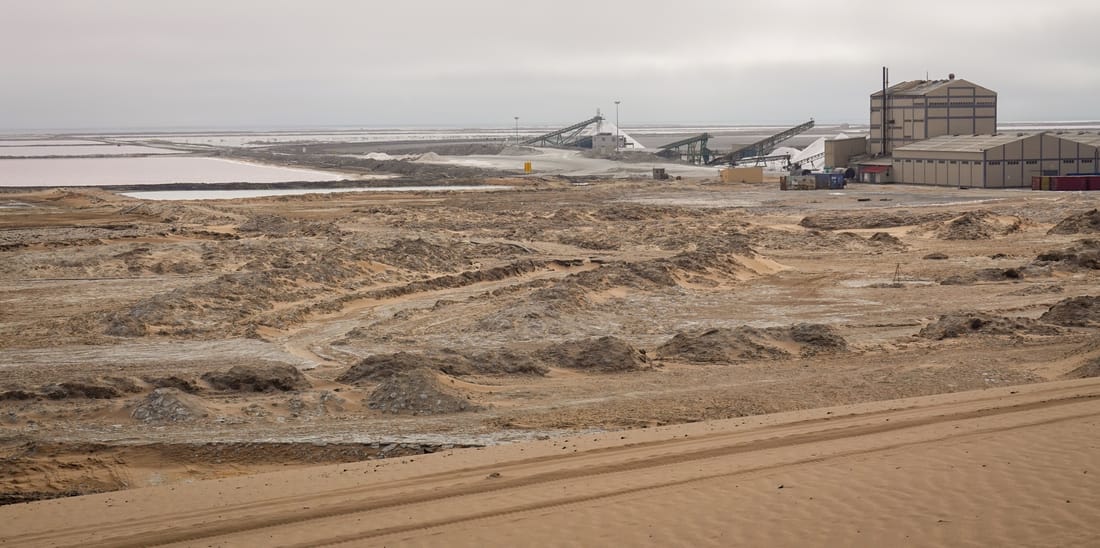
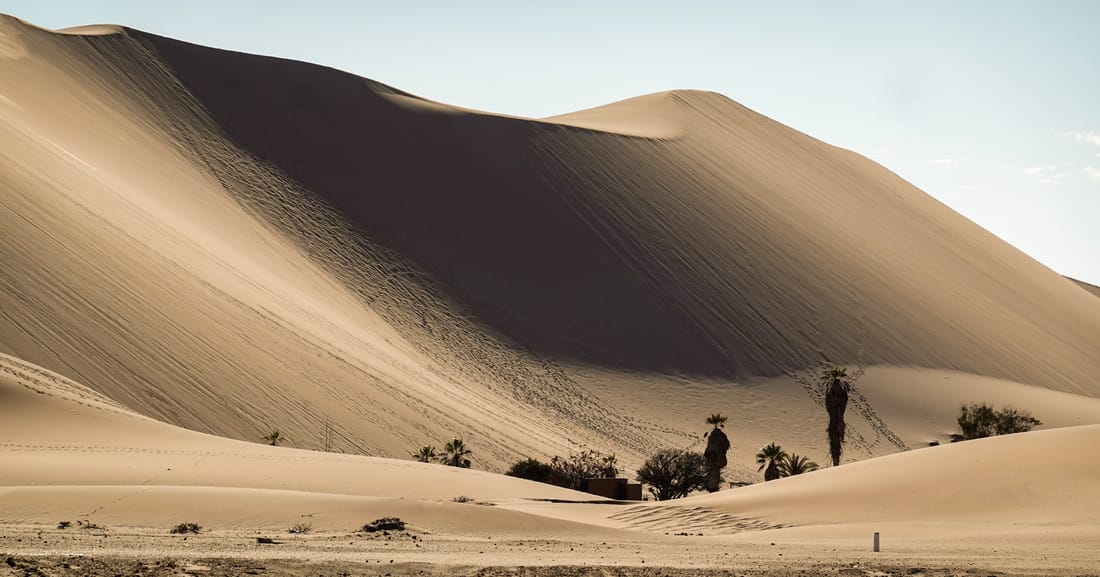
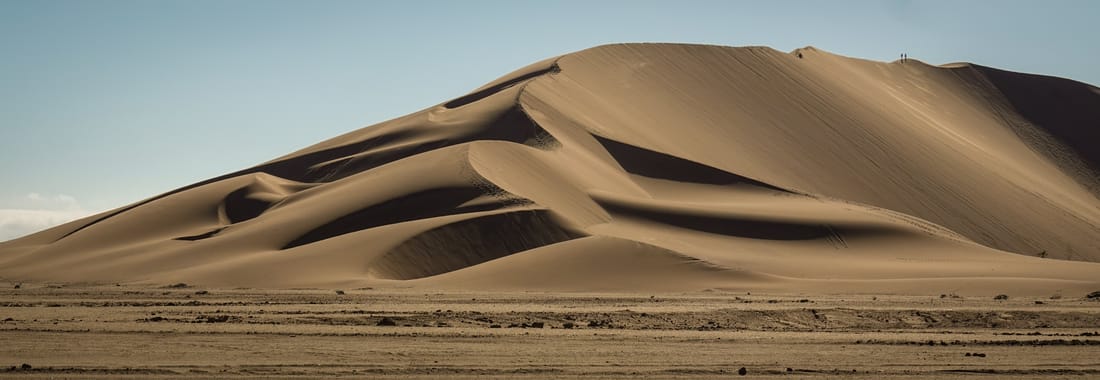
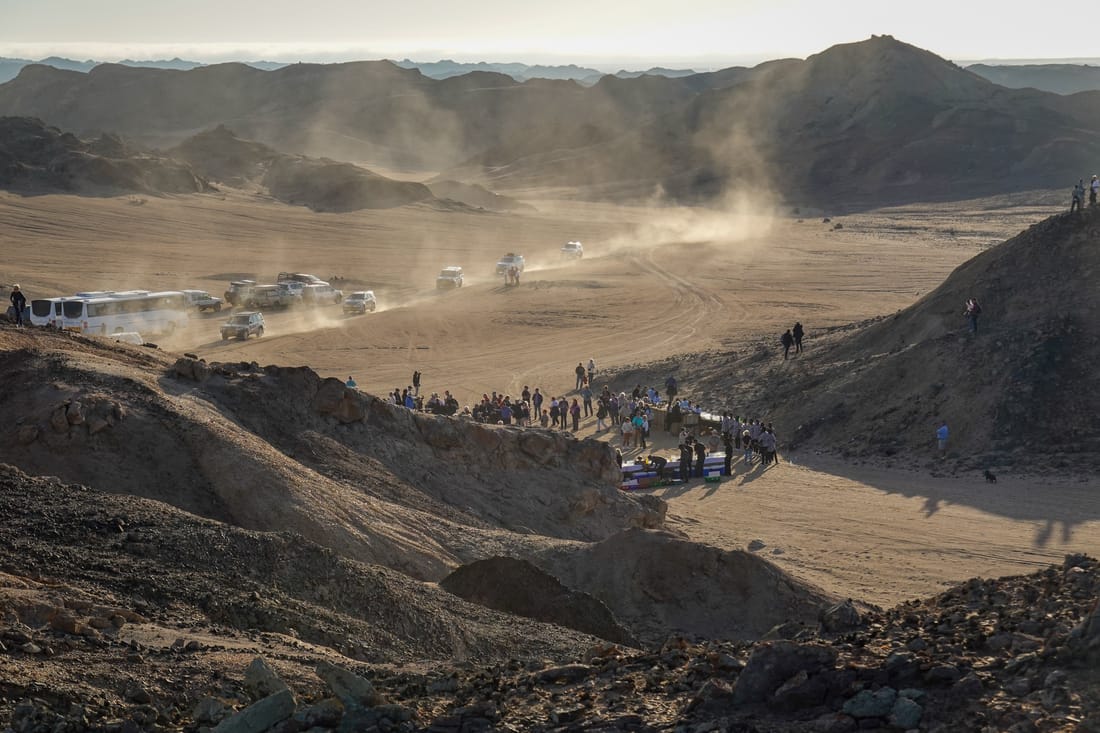
We were the first people off the ship and so got into the first of the 68 vehicles (a 4×4 with 4 passengers) lined up to transport us all to the special venue in the Valley of the Moon at Namib-Naukluft National Park. Our very nice and informed guide suggested that we would have some extra time since we were ready to go so he would show us something extra. That delighted us since the special event didn’t promise anything we wanted to see, mainly the beautiful dunes. So after viewing the hundreds of flamingoes in the lagoon (80% of the world’s flamingoes reside here in Namibia) he took us up one of the dunes. It was a steep ride up and we had a good view of the salt pans where they use natural evaporation to extract tons of salt for export. Just getting up one dune made us happy!
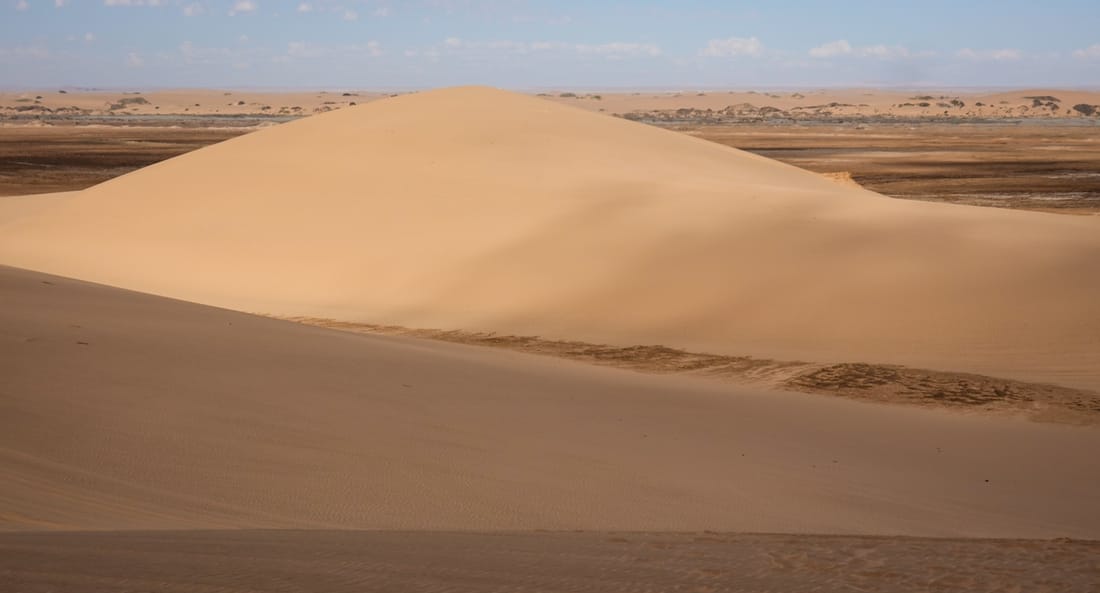
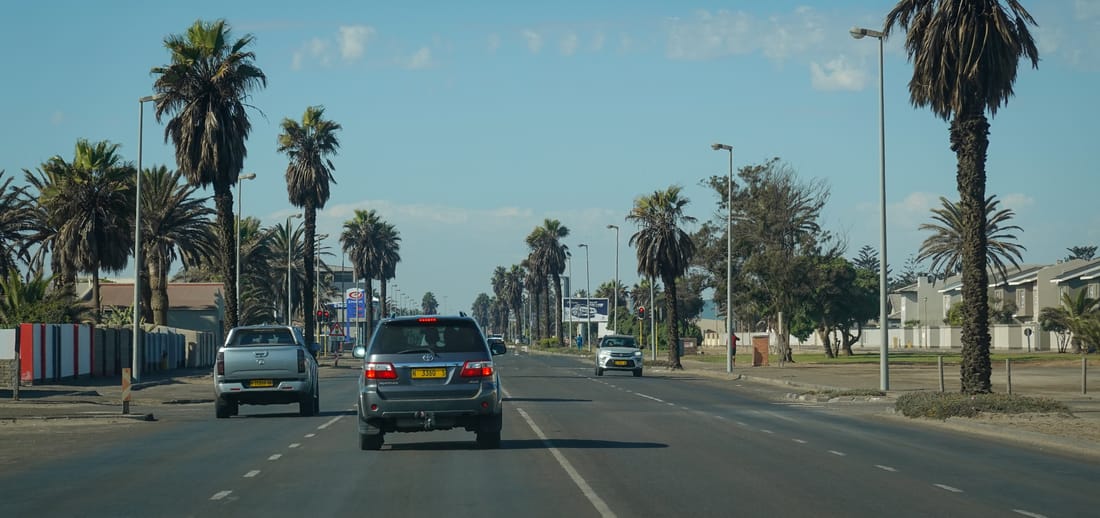
Then we rode through the very clean, neat and prosperous-looking town until we stopped to view more dunes and a small oasis.
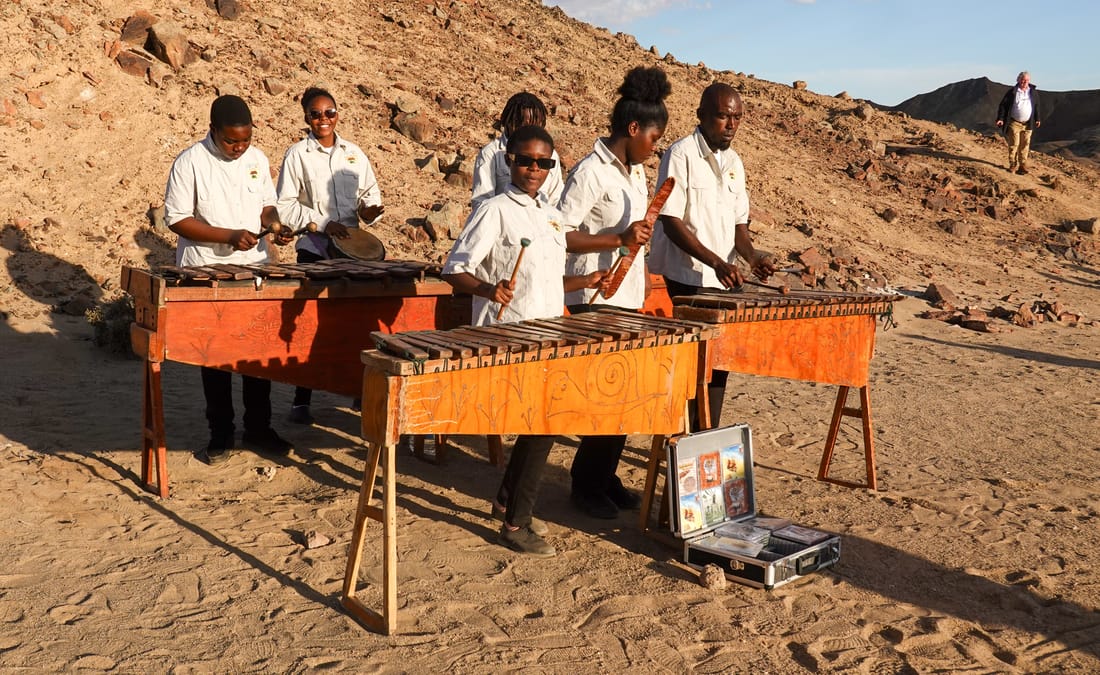
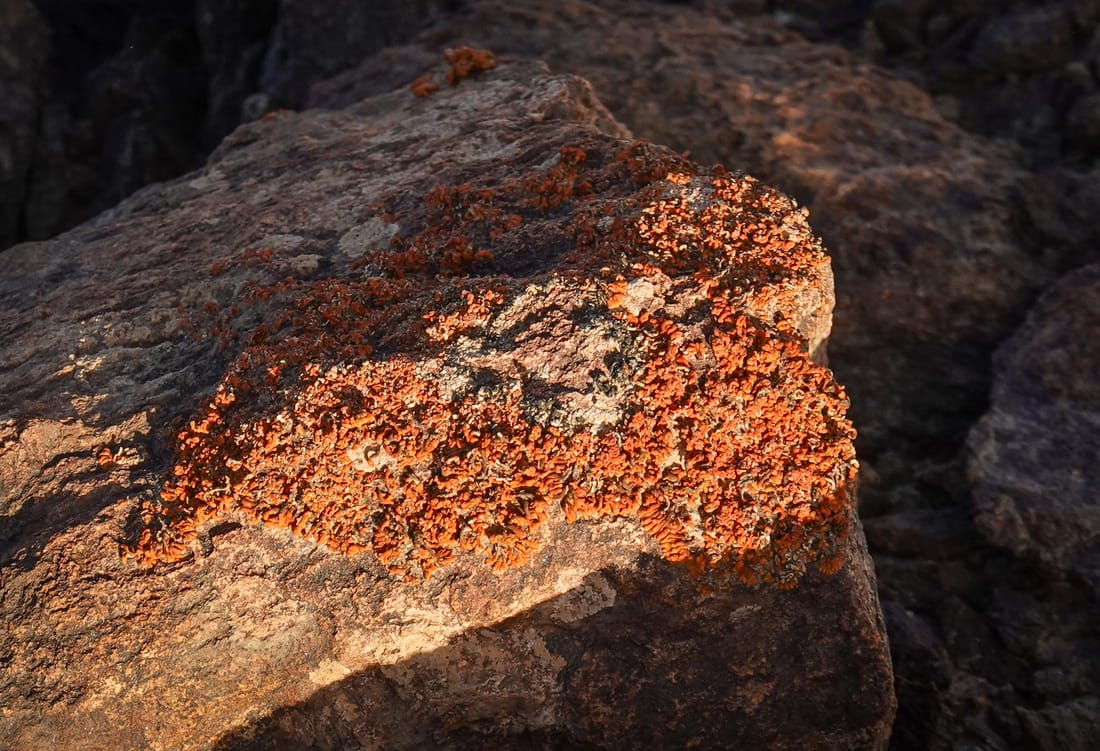
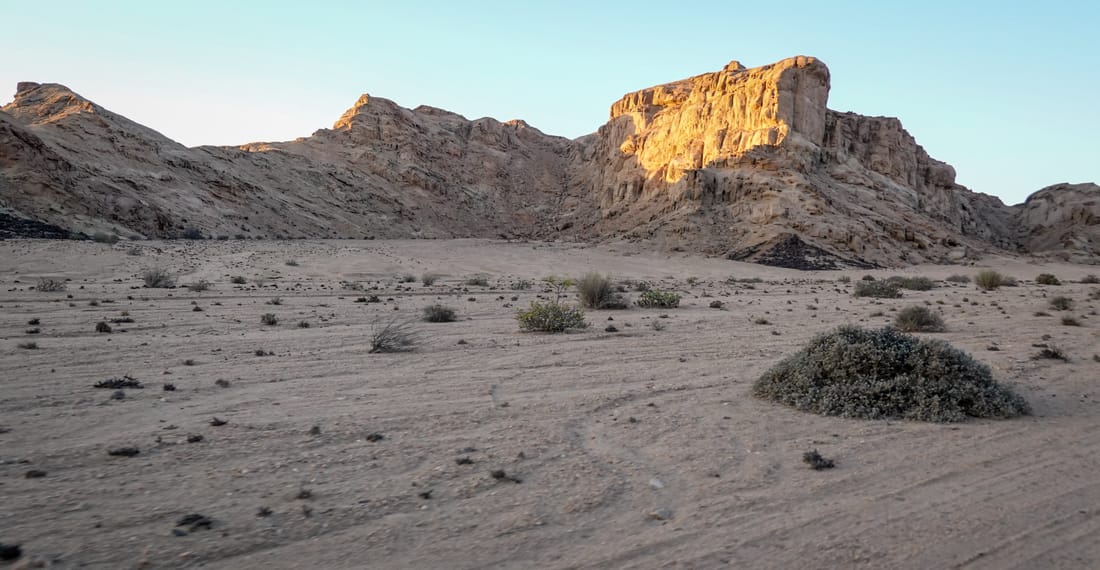
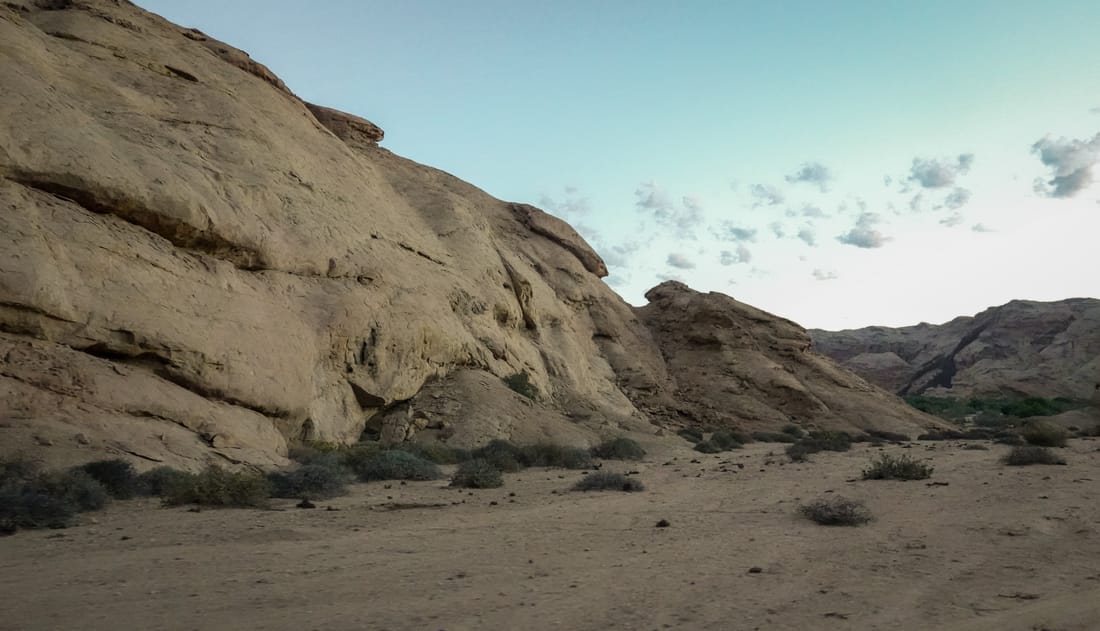
After an hour’s drive at high speed on the worst washboard road you can imagine, through not very scenic areas, we arrived at the venue which was in an area of the park that looked to us all very much like the Badlands in South Dakota. There were snacks and beverages, a group of singers and marimba players. With nothing else to do or see we climbed up the hills on both sides of the clearing and looked at the lichen. Now I like lichen, as you know, but just that wasn’t worth the long ride out there!
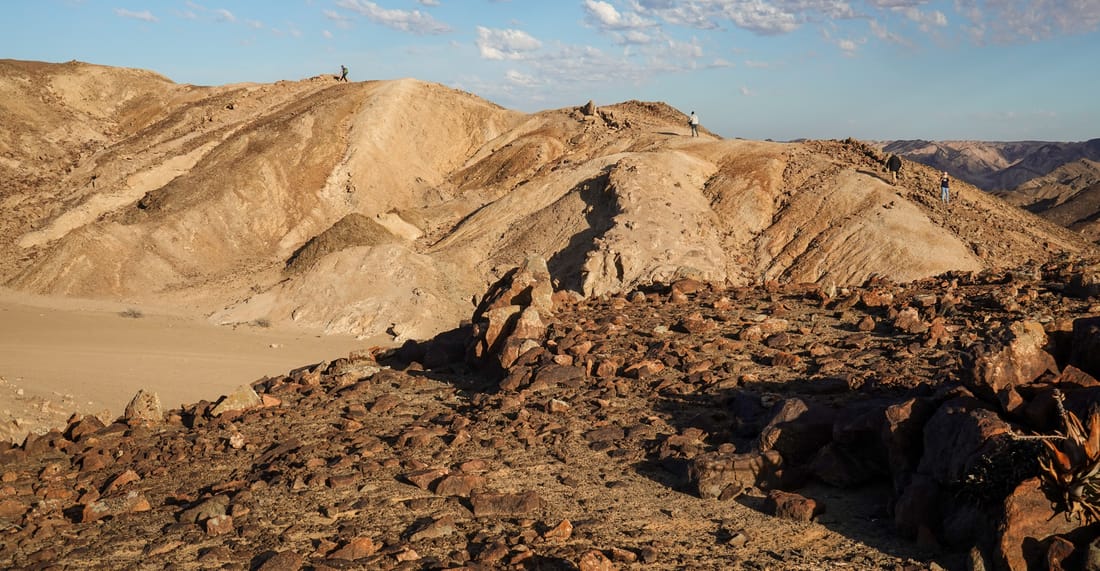
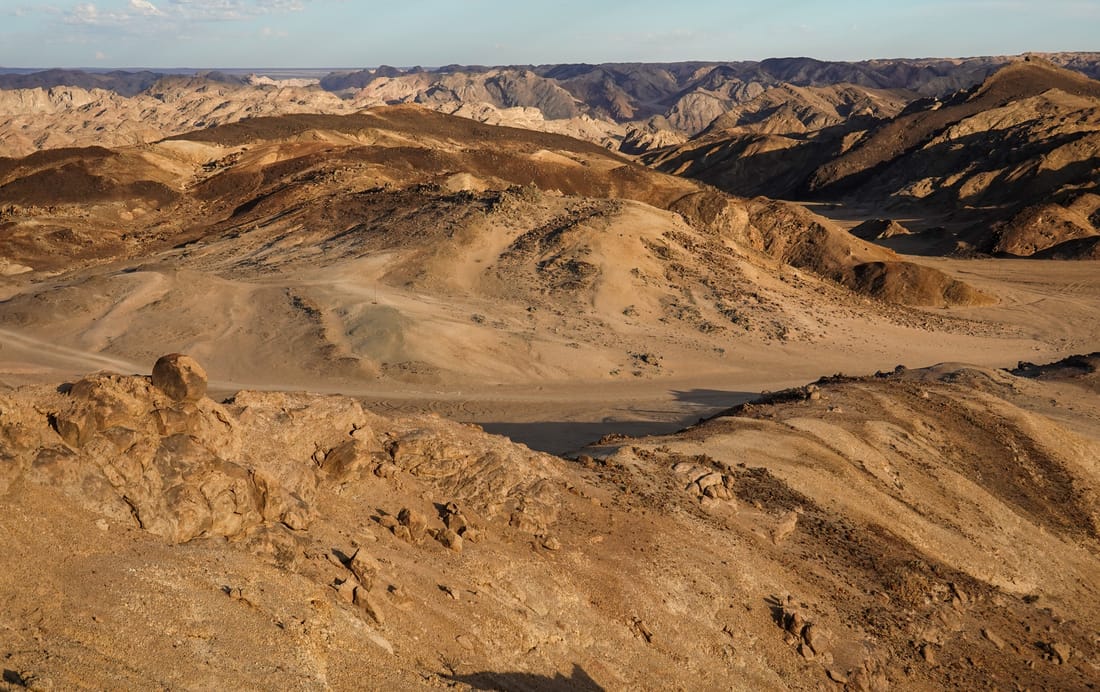
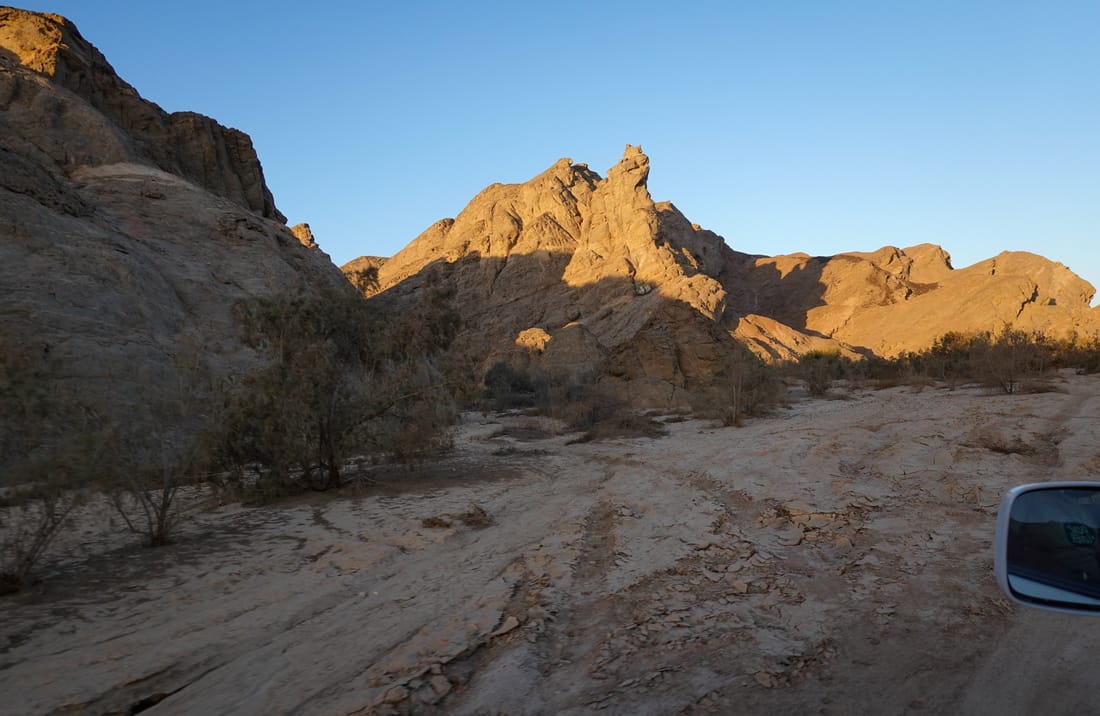
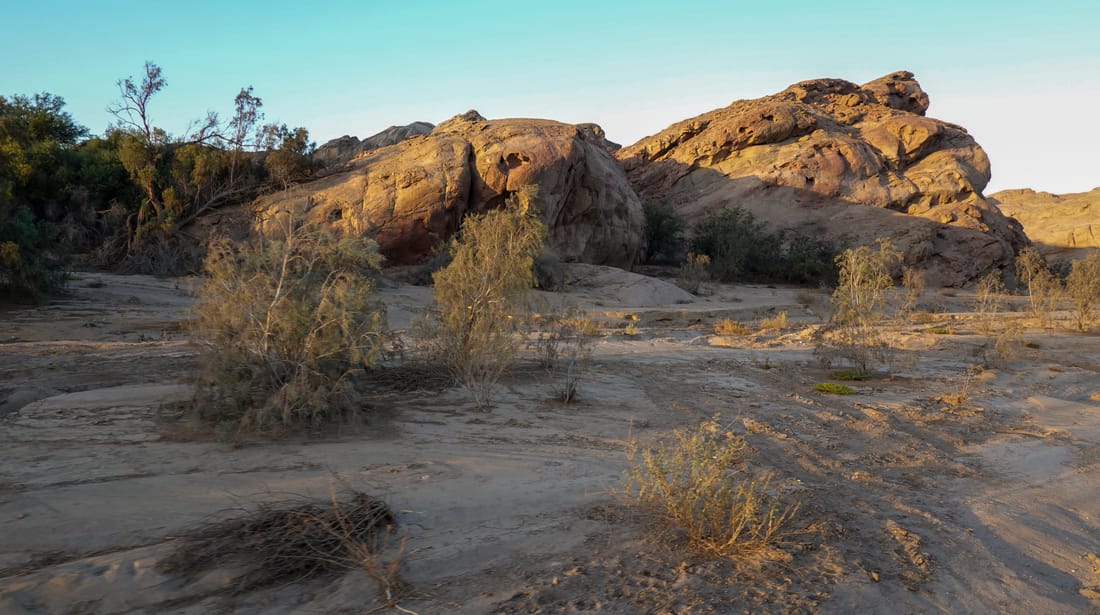
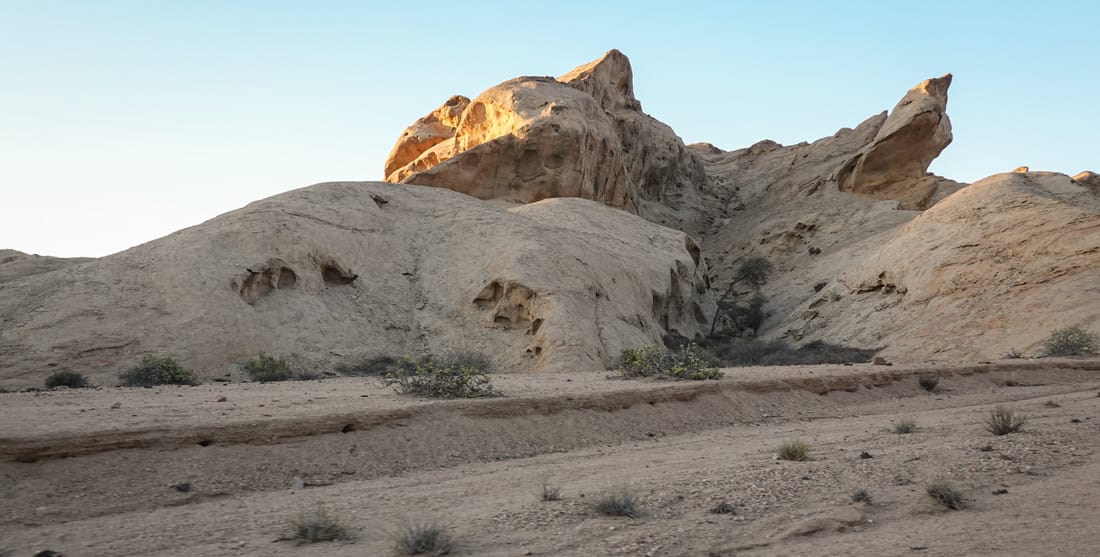
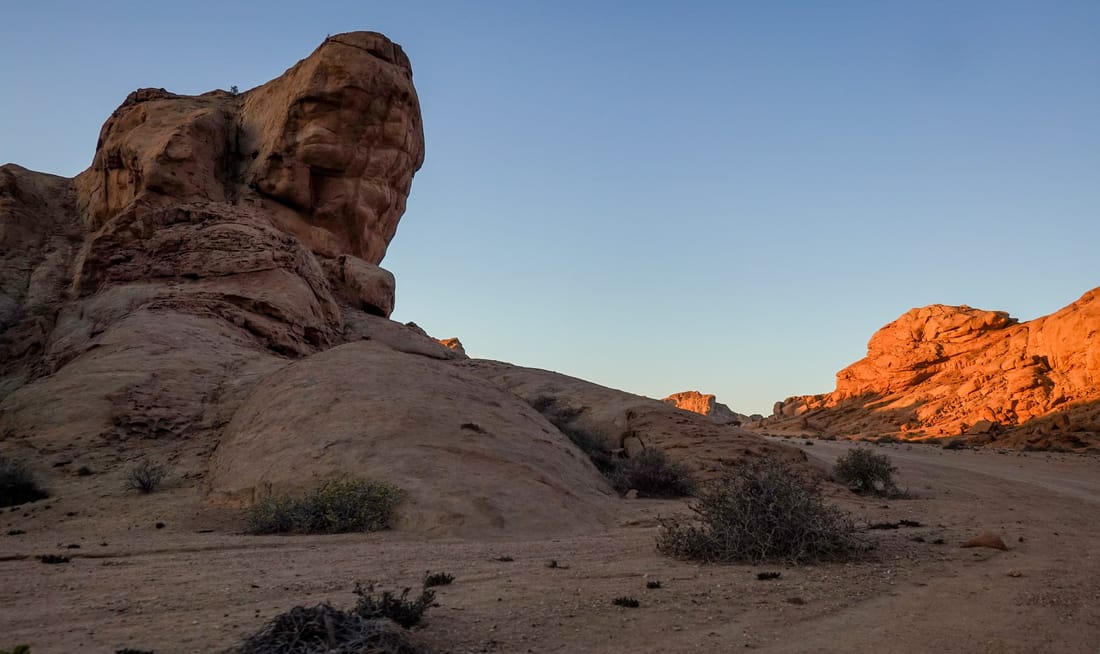
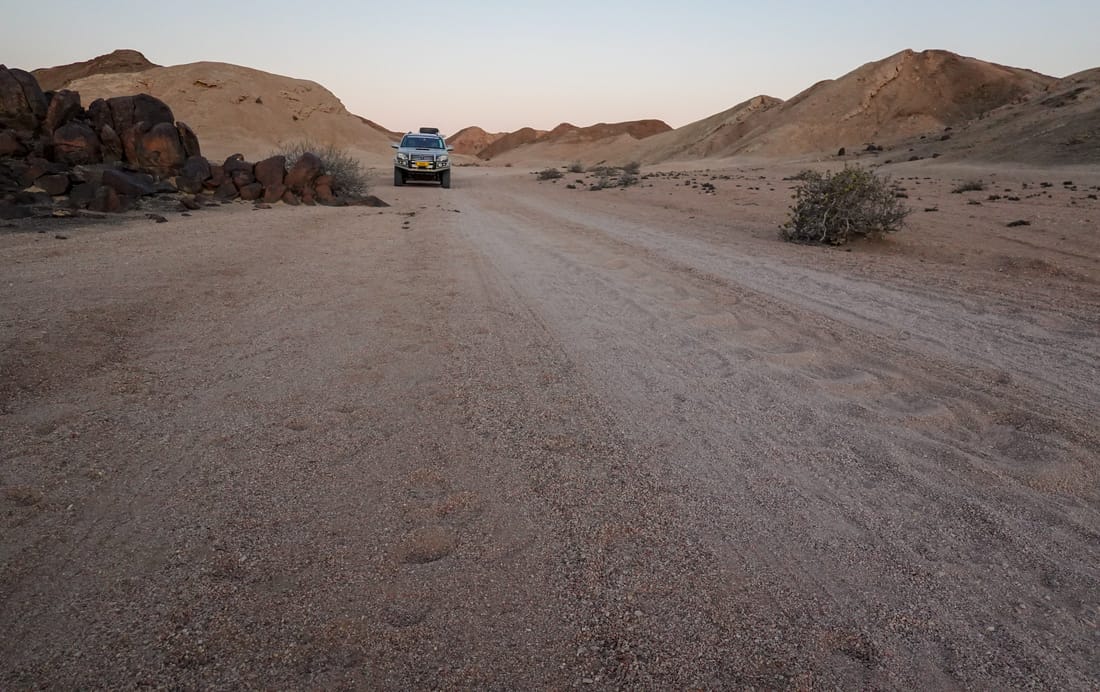
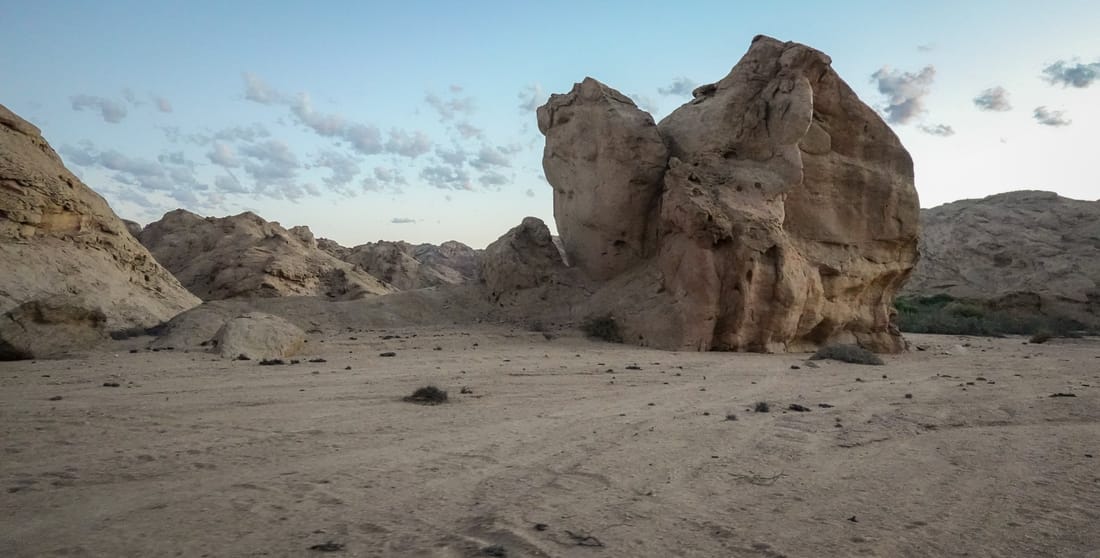
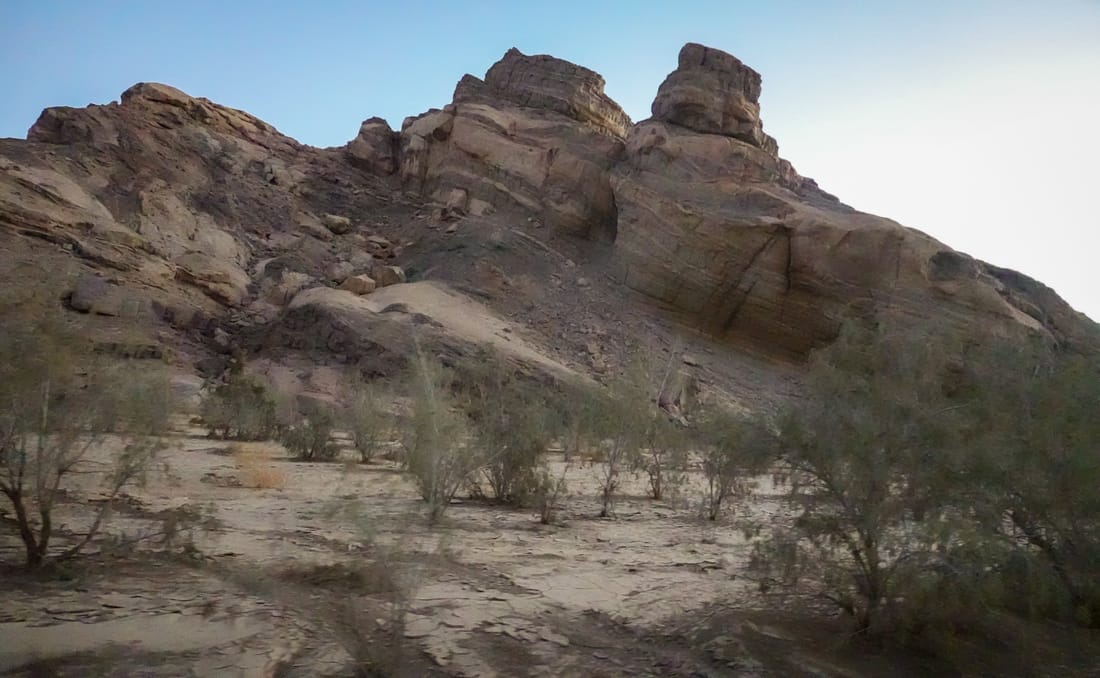
I had been looking around for welwitschia plants, which I had the impression were protected in this park, but there were none, so I asked one of the local women about it. She said there were none near there but there were in other areas of the park so I found our guide and asked him if he knew where they were and if he would take us to them. After some hesitation and consultation with a fellow driver they agreed to take us. So we invited two friends and the four of us took off in two 4x4s with three guides for an hour’s adventure away from the group. They drove at breakneck speed through creek beds and over rough terrain to beat the sunset and we finally arrived where there were about ten of the fabled plants. The scenery on this drive was wonderful and reminded us of our own off-roading trips in AZ.
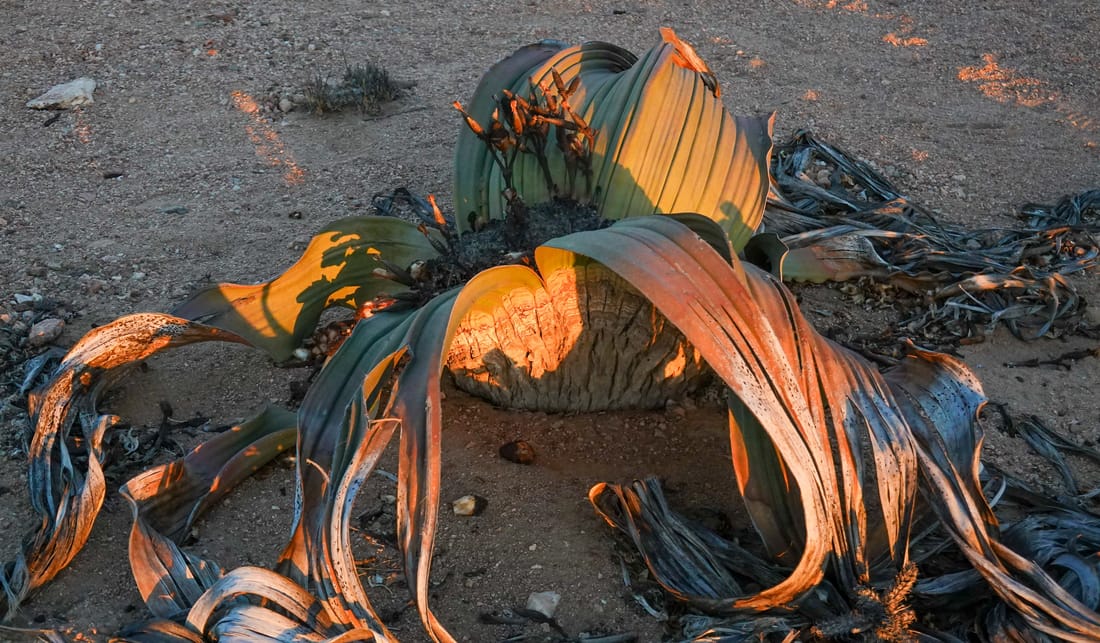
Welwitschia are native only to the coastal area of Namibia and a bit of Angola. They are an ancient plant and a long-living one, living for between four and fifteen hundred years. They have only two leaves (but because they split with age, look like they are many), which grow continually, up to 13 feet long. The male and female plants get moisture from the fog and from underground water and produce seeds which are apparently easy to propagate in controlled conditions but in the wild not so much because they need an unusual amount of rain which seldom ever comes. We saw one plant which was about a thousand years old and several more about 4 or 5 hundred years old.
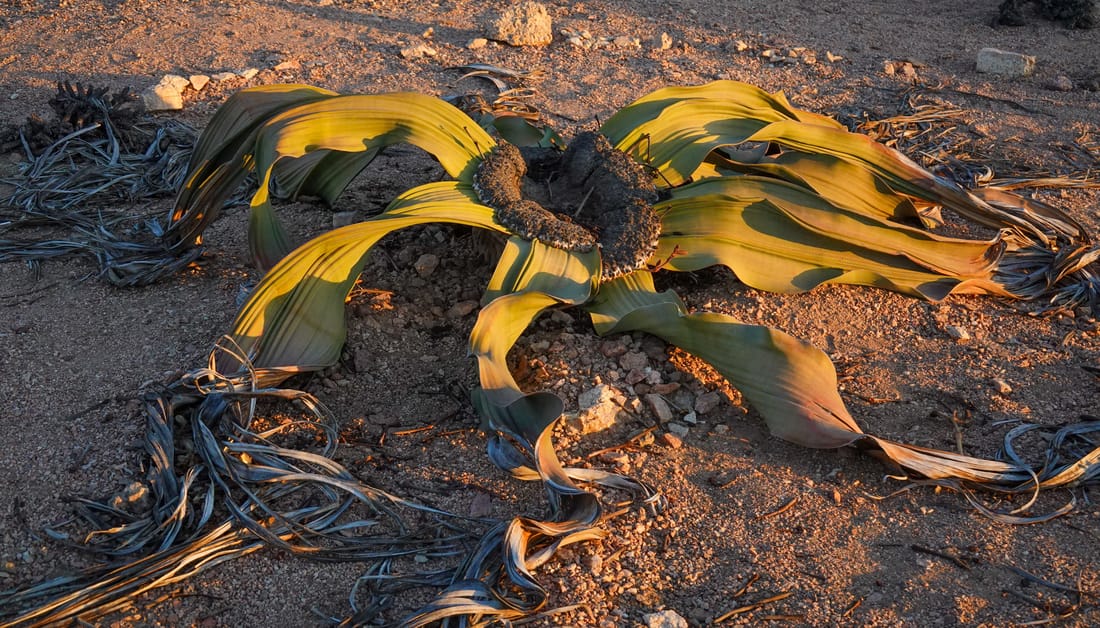
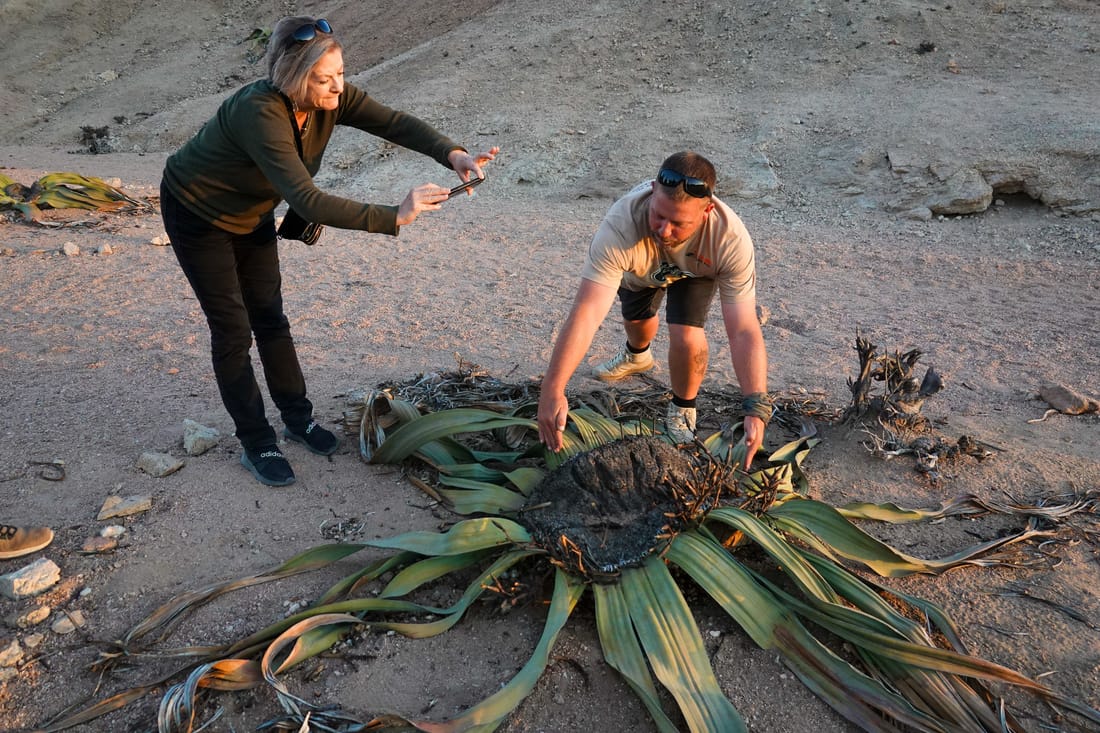
The plant above is the male and below is the female with the larger cones which produce the seeds which are blown away by the wind.
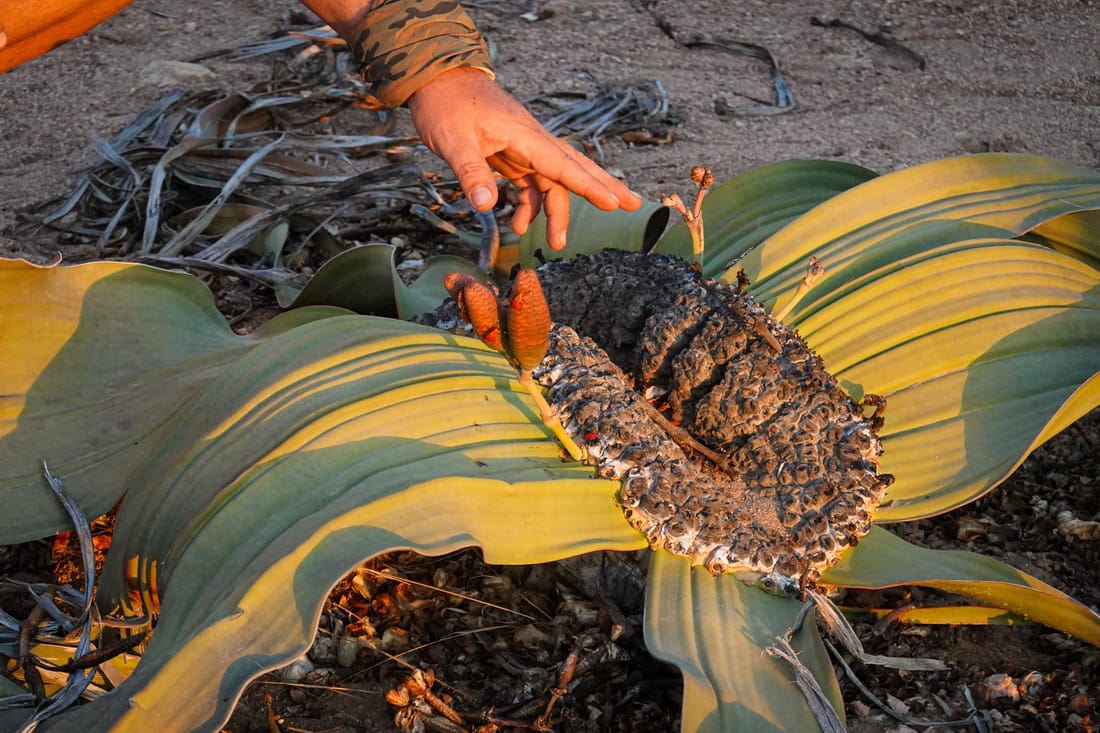
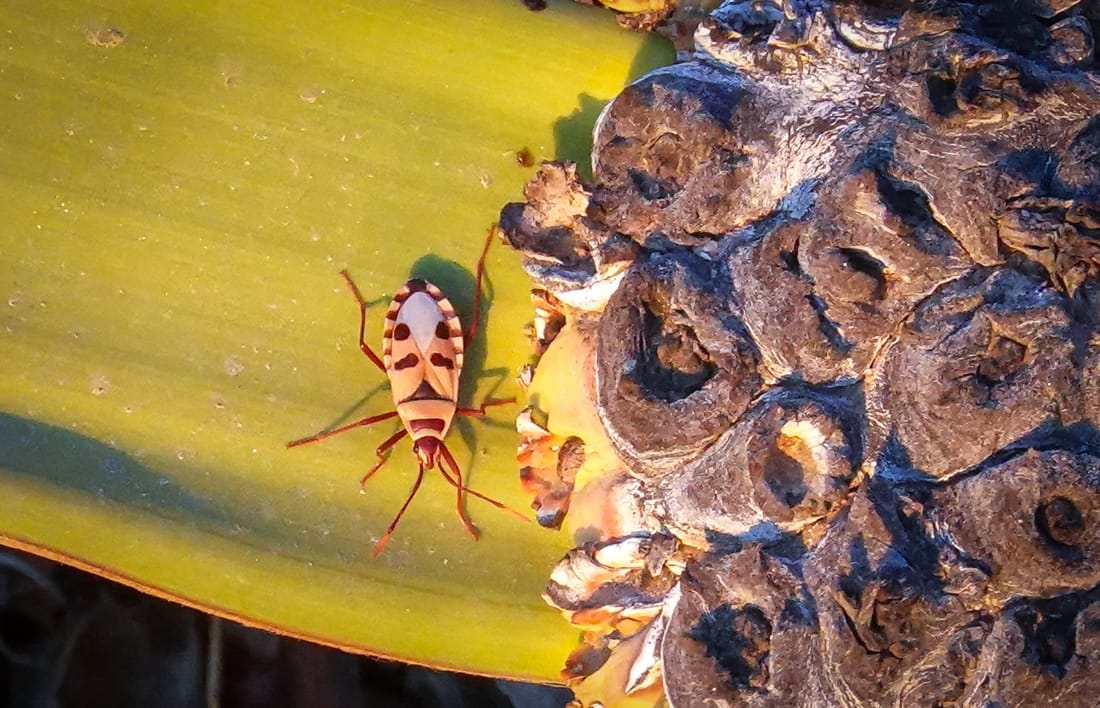
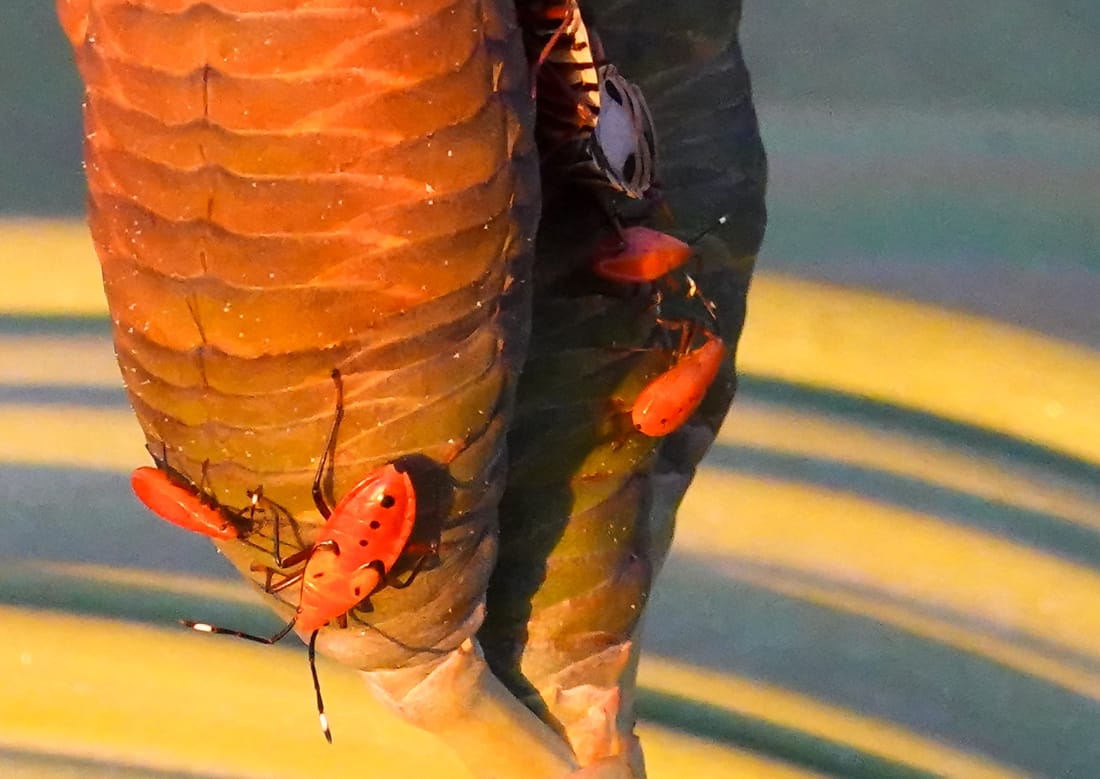
The red ones are the nymphs and the others are the adults of the welwitschia bugs which live on the plants.
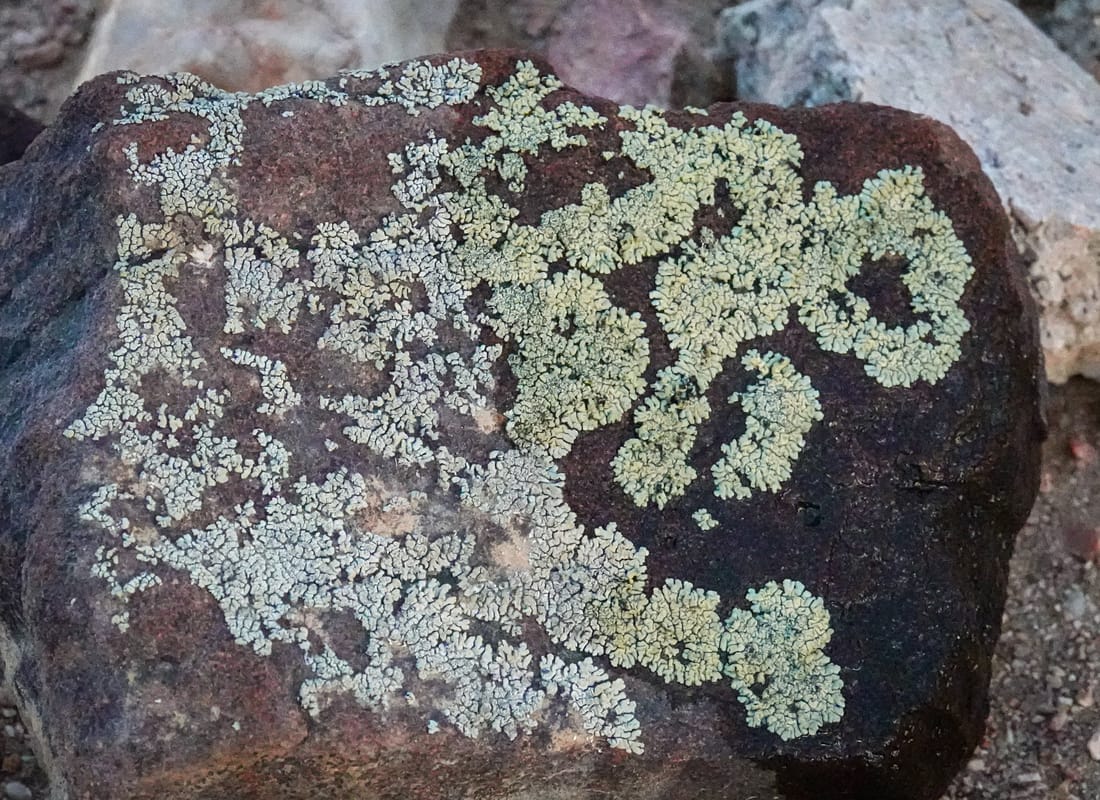
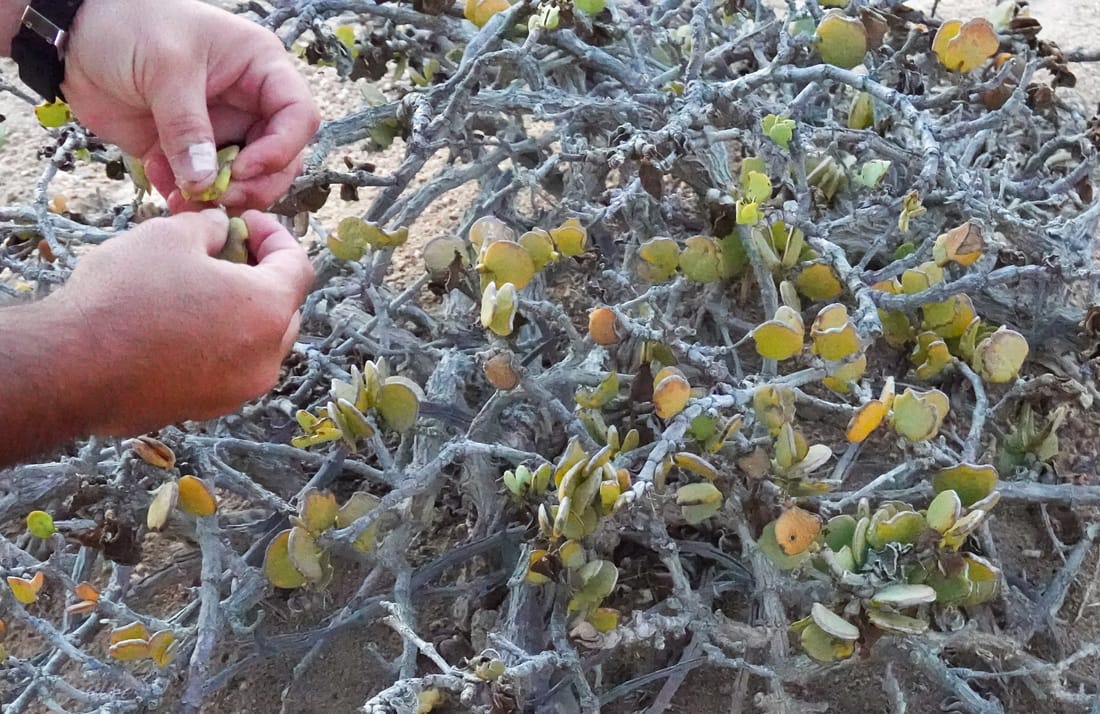
The guides poured water on this rock to illustrate how few nanoseconds it took for the lichen to respond to the water. And then they showed us the “dollar plant” which can be used as a moisture source in an emergency if you didn’t mind a stomach ache.
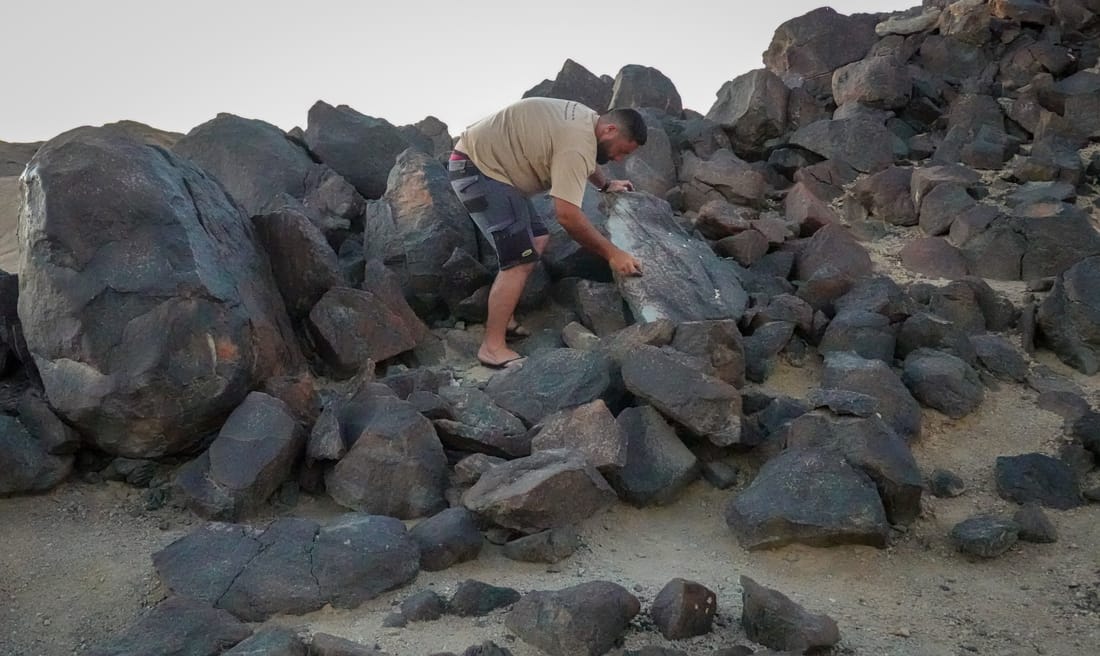
And before we raced back to join the group which was just leaving as we arrived, they showed us how you could play notes on the iron filled rocks. The guide must have been a musician because it was pretty impressive, actually.
Some of our friends who had been at the special event said they enjoyed the music and especially the men’s choir but only the four of us had enjoyed this exceptional adventure for which we were very thankful!
I remember reading that Namibia is the driest country in Africa not in the Sahara, and your photos affirmed that. Nary a river to cross. Nary a stream to ford. Nary a puddle to step in. But an inexplicable kind of dry beauty. I really enjoyed your journalism, too!
Always the adventurer!! I’m so glad! Very informative! How did you even know to ask about the Welwitschia plant? The dunes are impressive! Thank you!