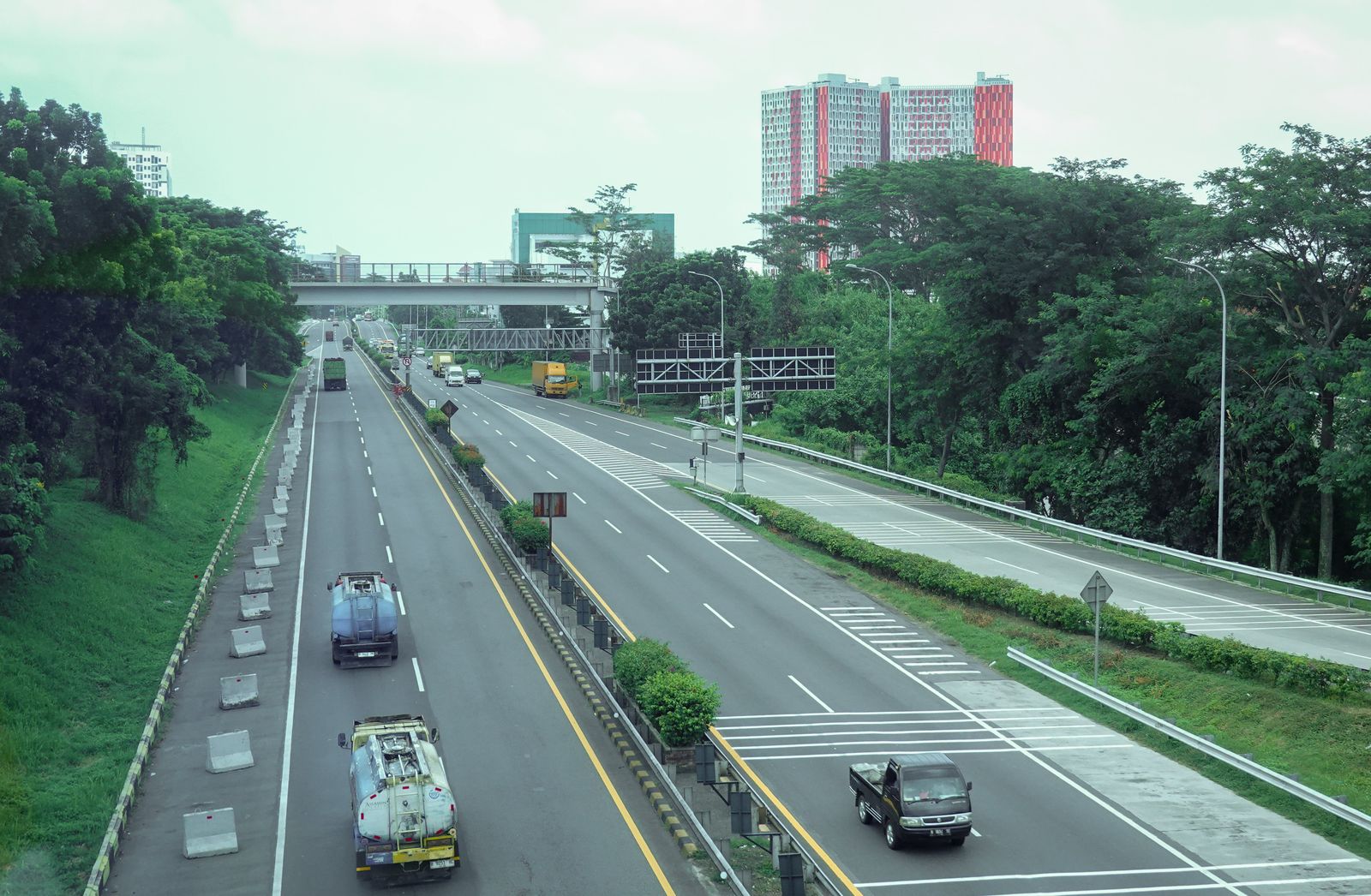
Our one day in Semarang, Java, showed us a part of Indonesia a bit different from Bali. We found Java to be more modern in some ways but in others it was just like Bali. I tried to take pictures of both sides of the coin. There is a mix of religions here and although we could hear the Muslim call to prayer from the ship and we saw many mosques (and two churches) nothing dominated like the Hindu temples did in Bali.
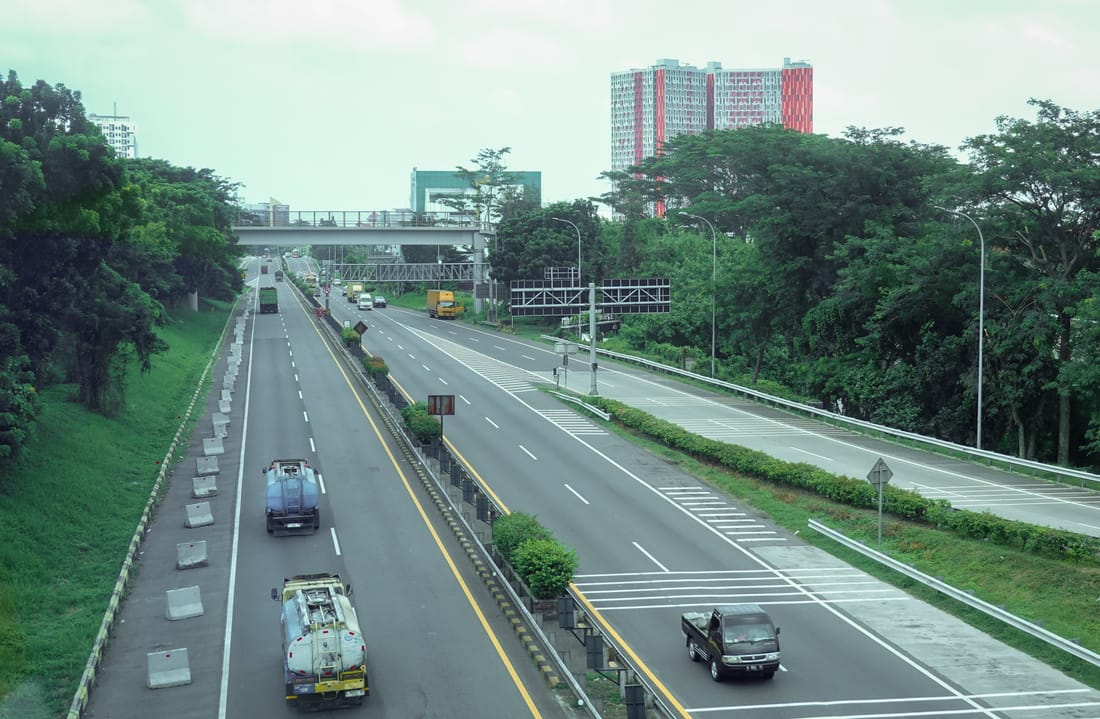
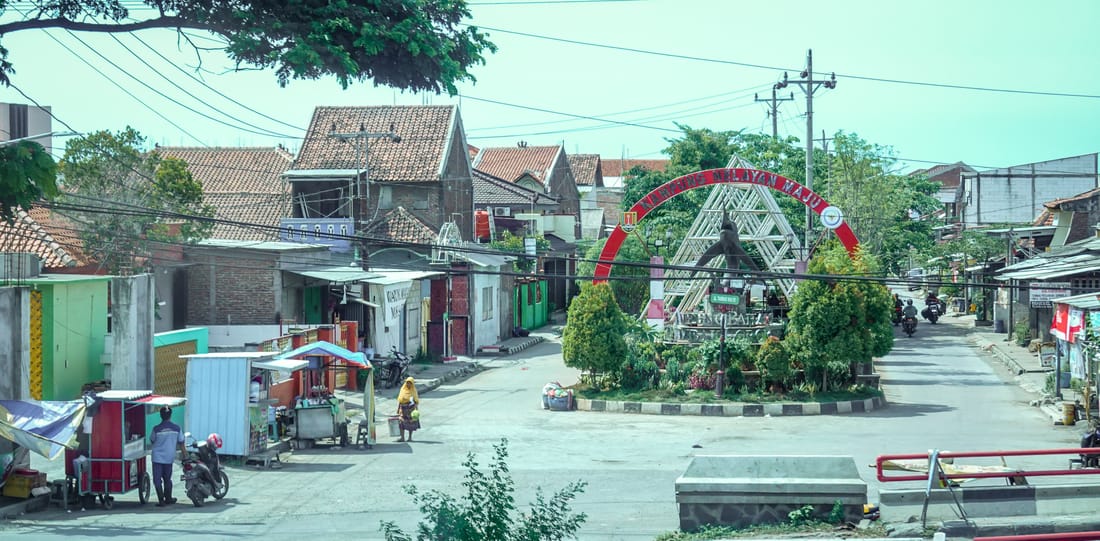
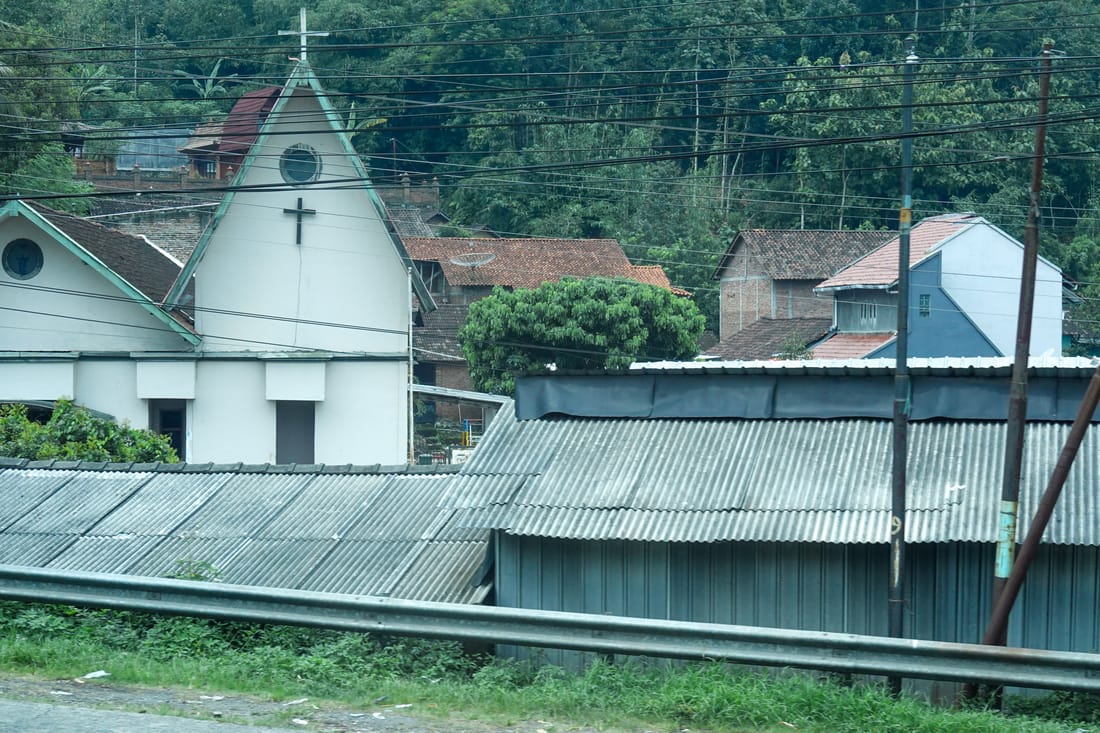
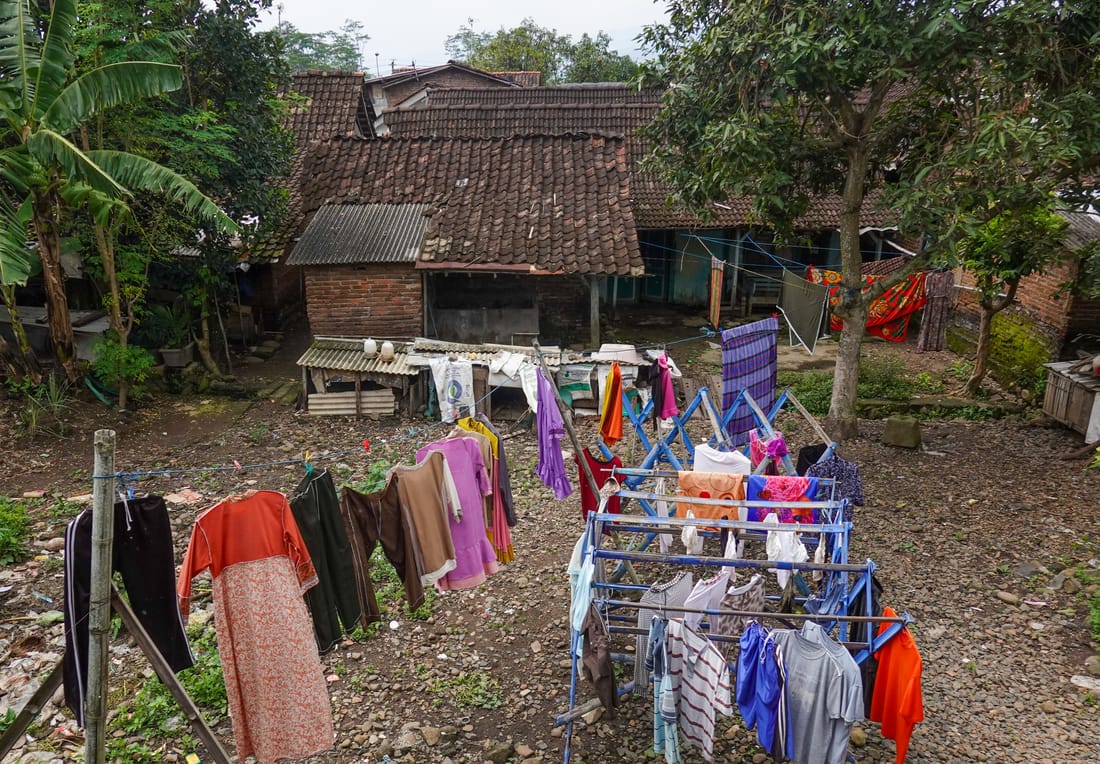
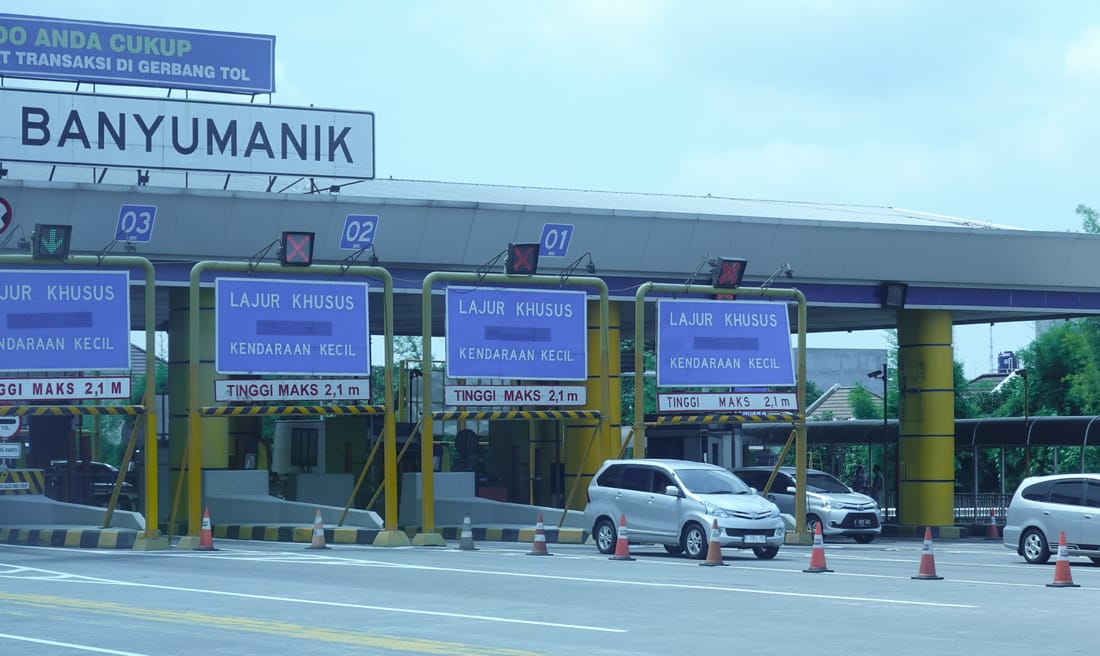
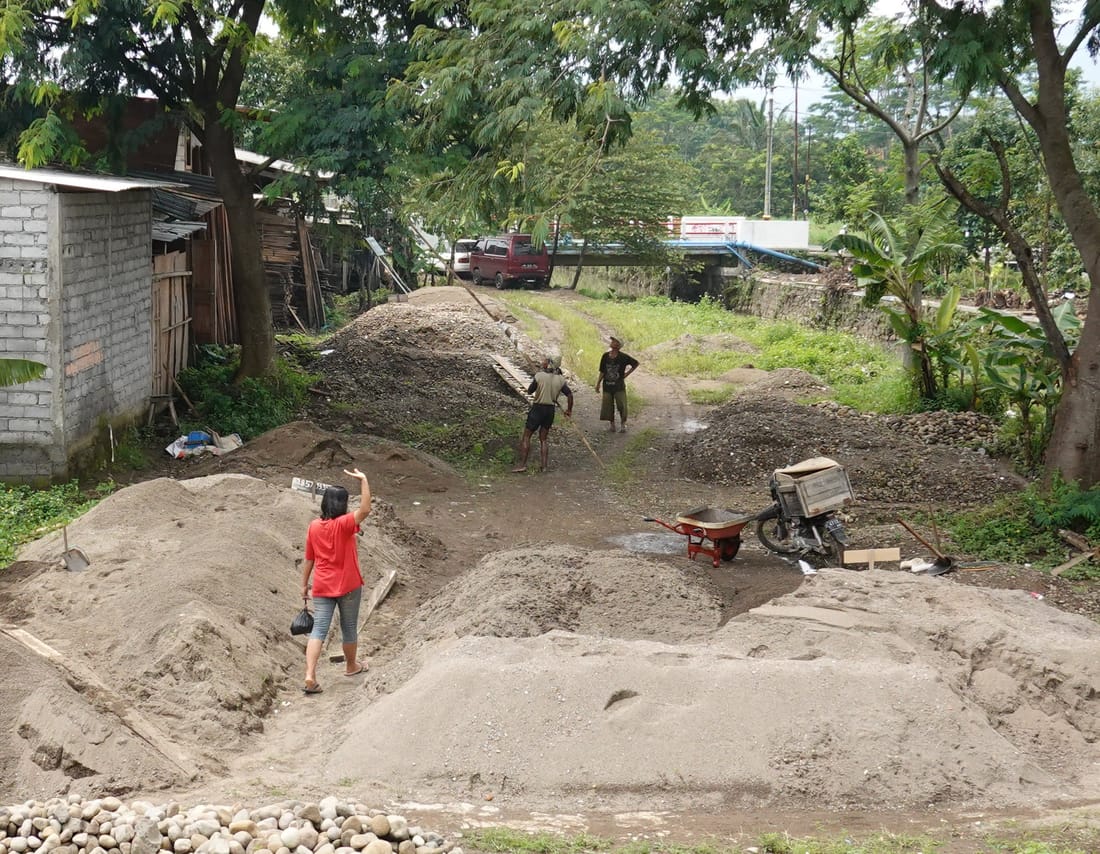
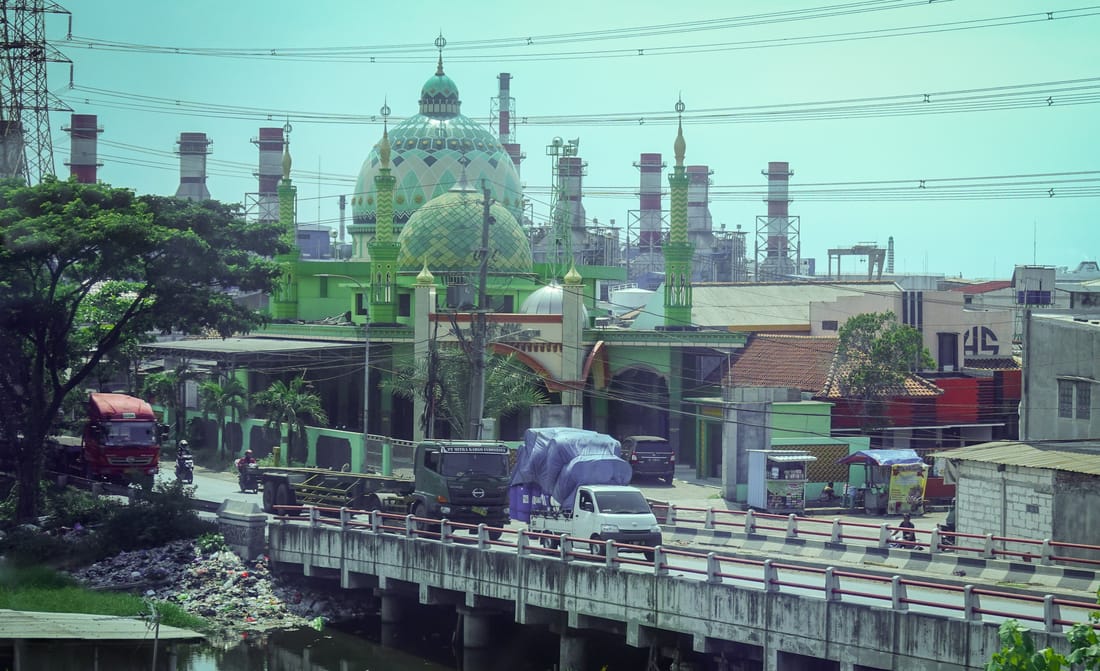
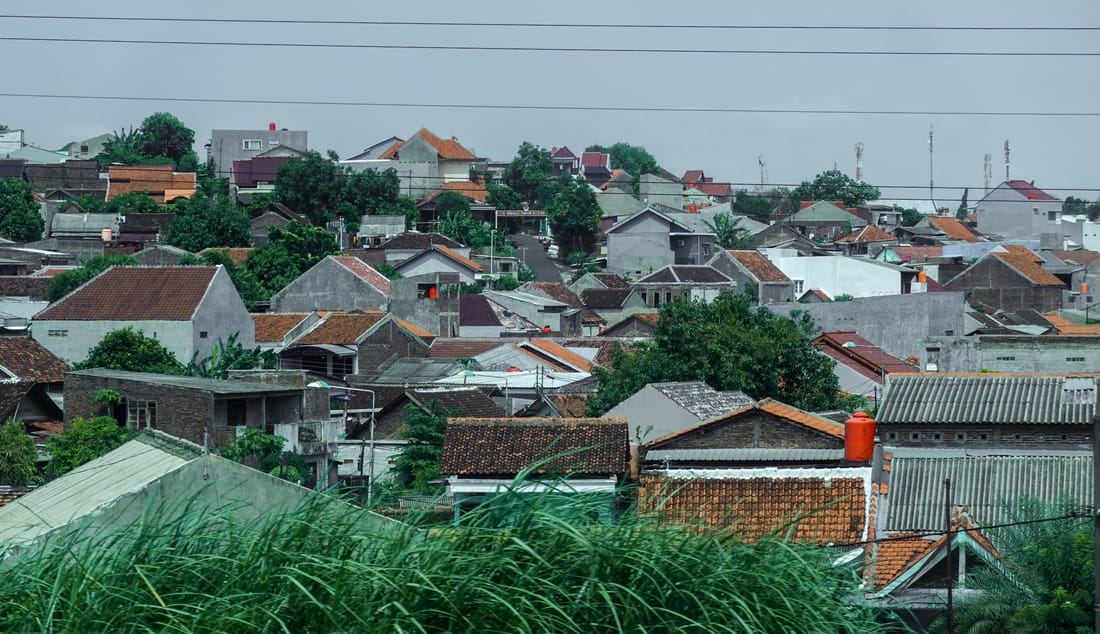
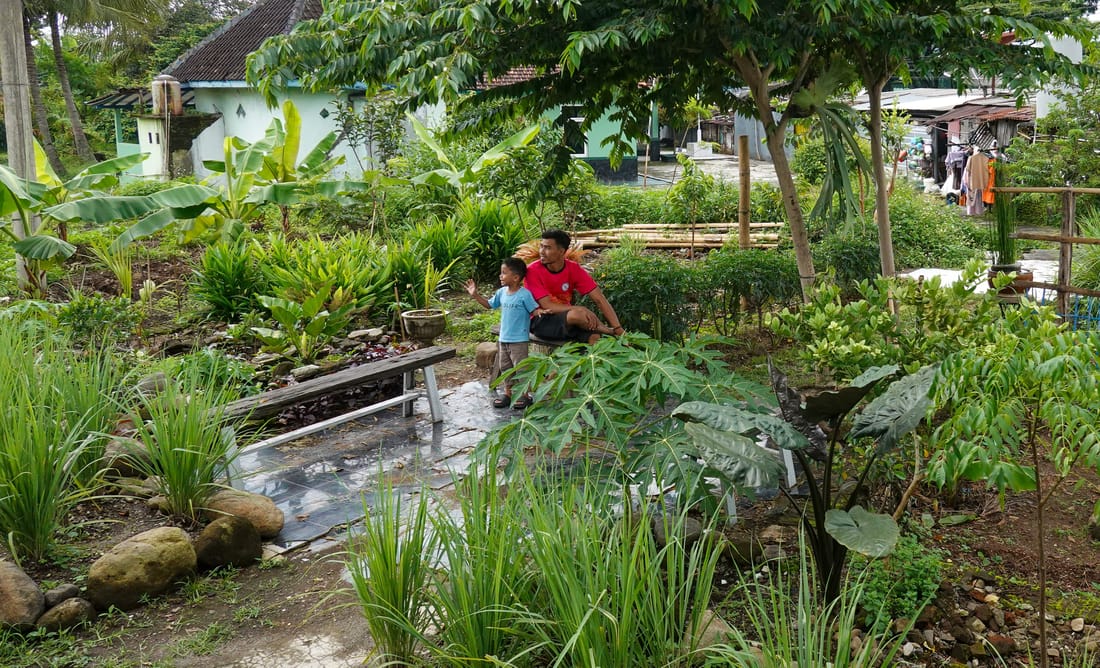
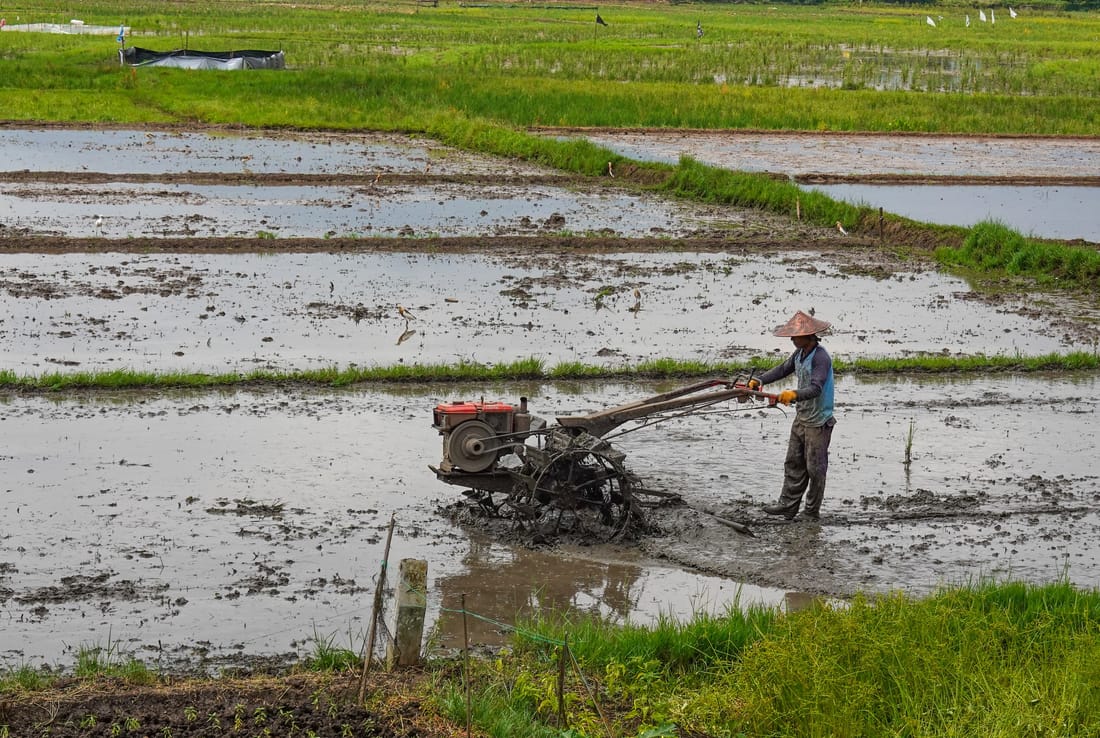
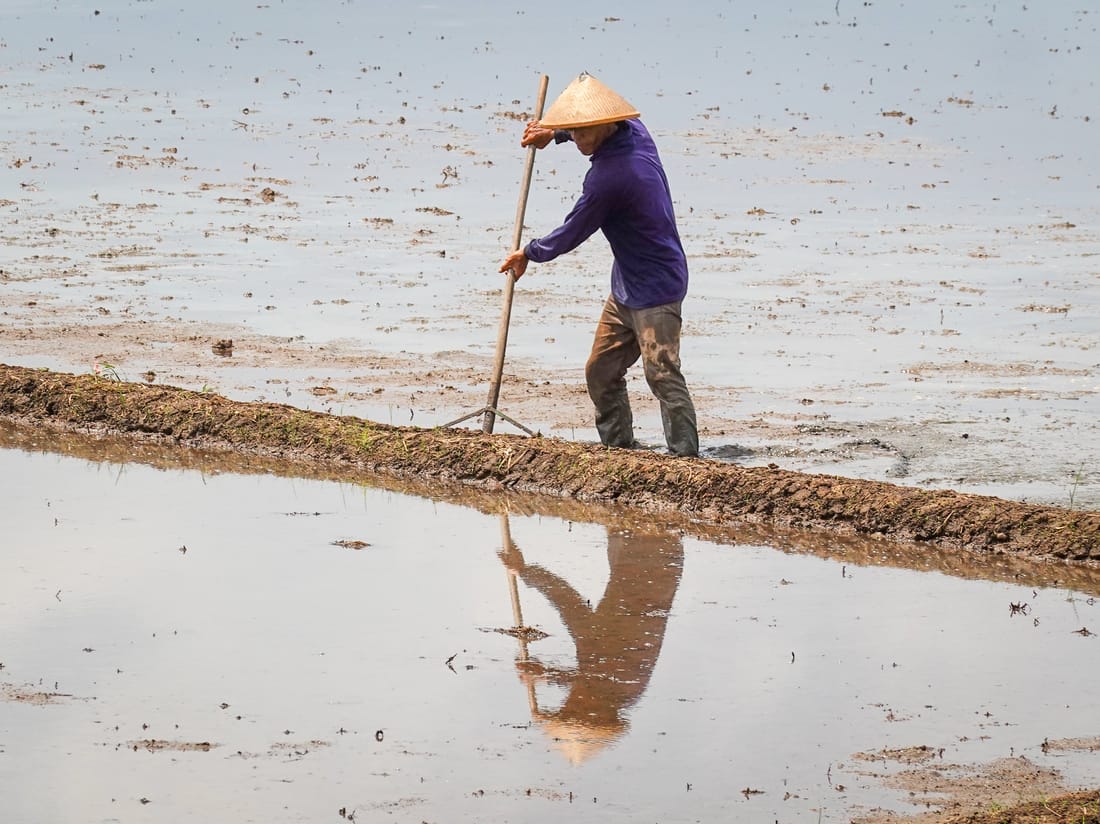
Indonesia is the 4th most populous nation in the world with 274 million people, 151 million of them on Java, so we have no delusions that we saw even a representative section of the country but we enjoyed seeing it never-the-less. I asked the guide to tell us about the economy and all he would say was one word, FARMERS. I know they aren’t all farmers in the cities but once again we saw more rice paddies than you can imagine.
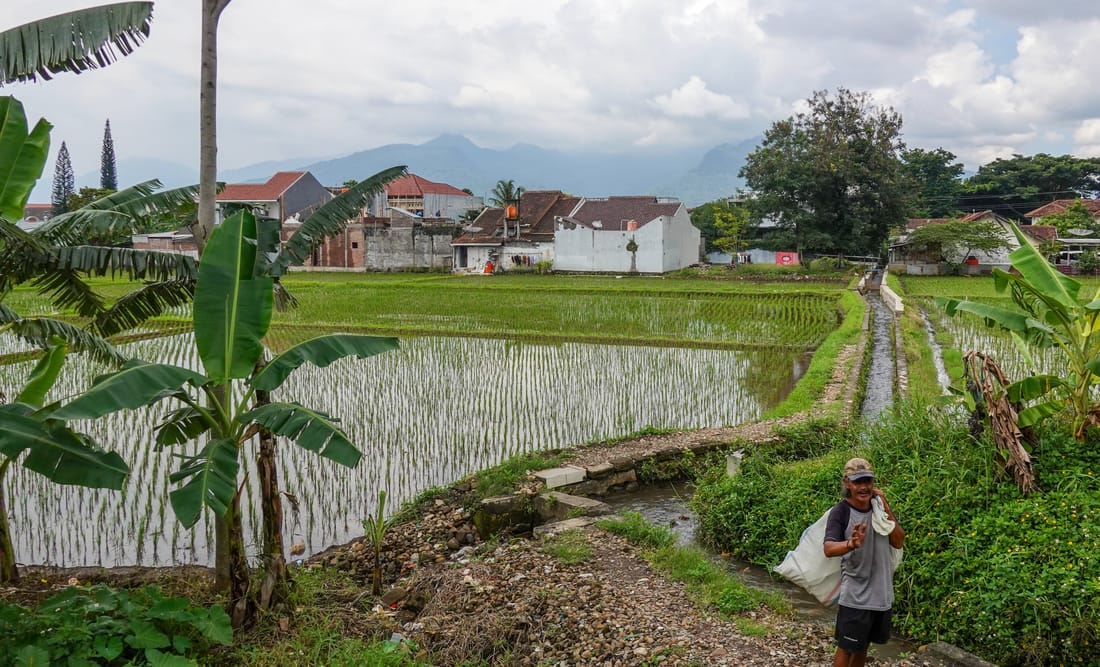
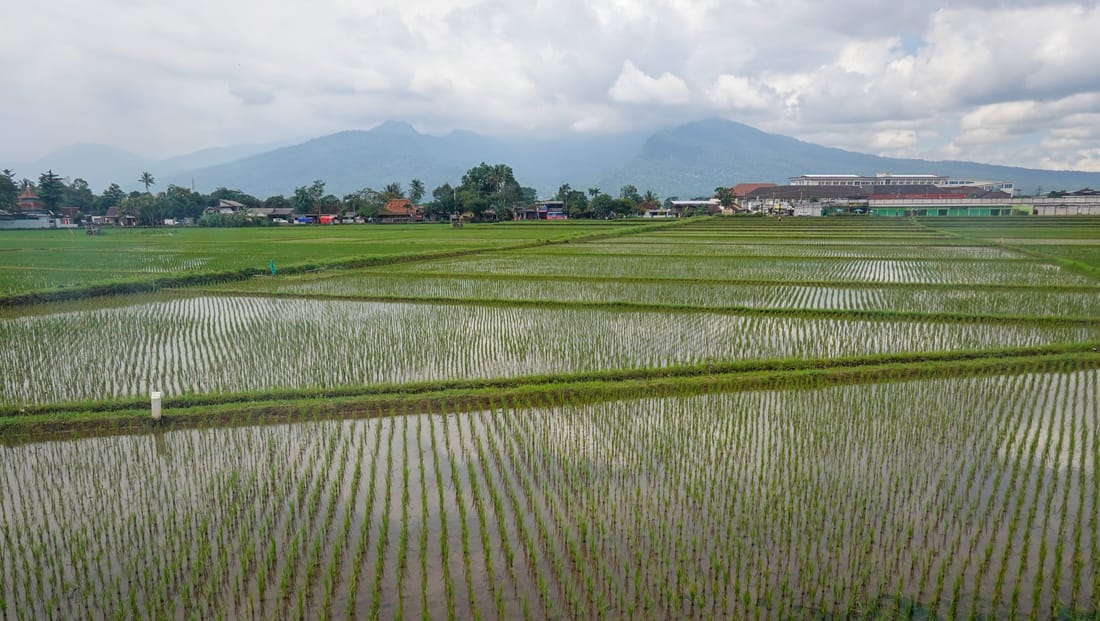
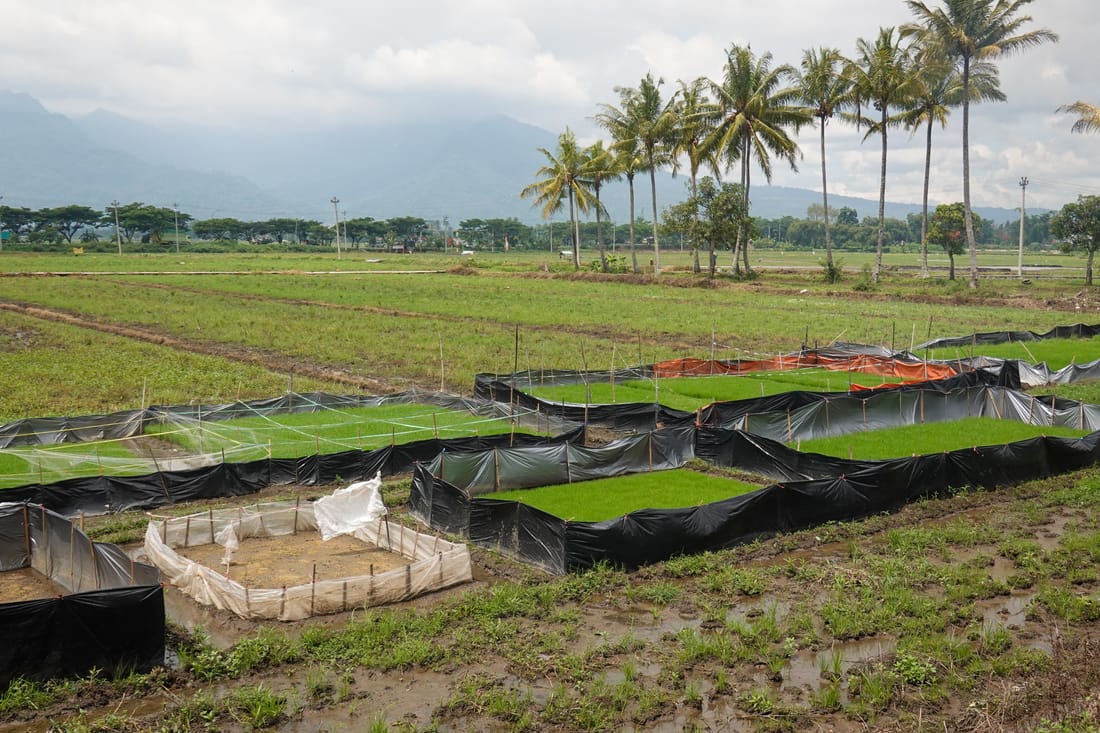
Here, for the first time, we saw how they propagated the seedlings which they then plant in the watery fields.
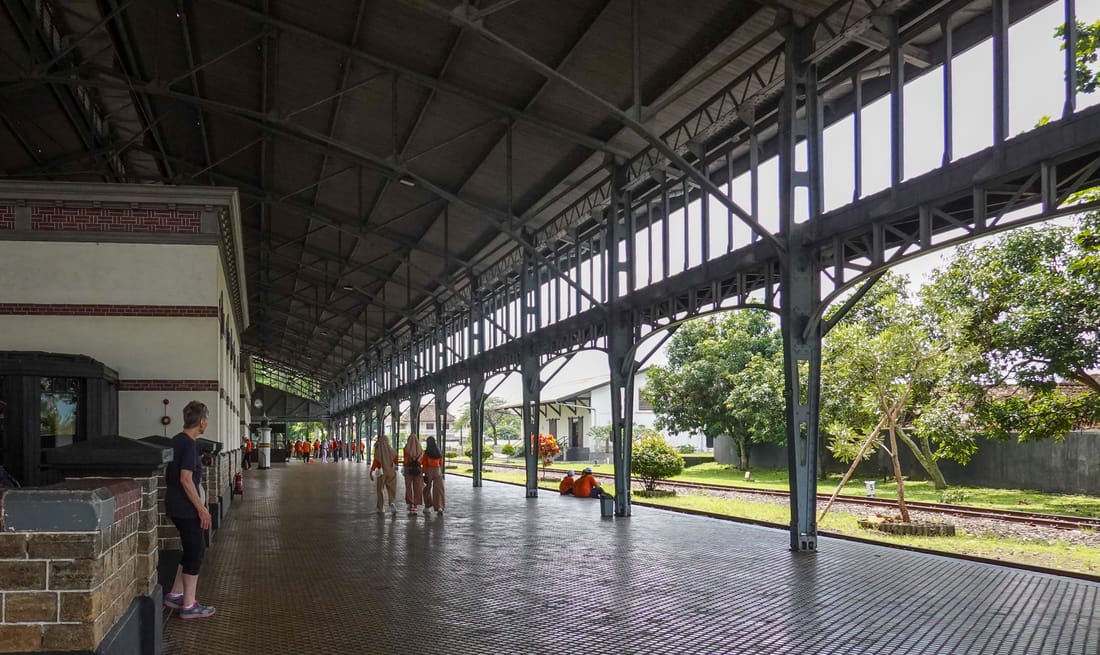
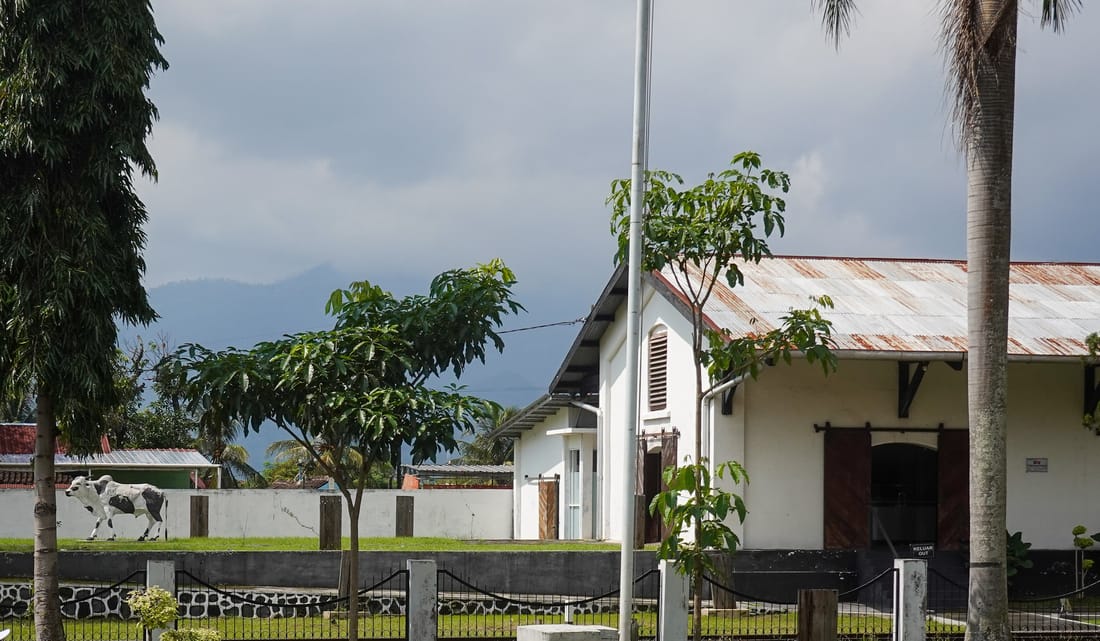
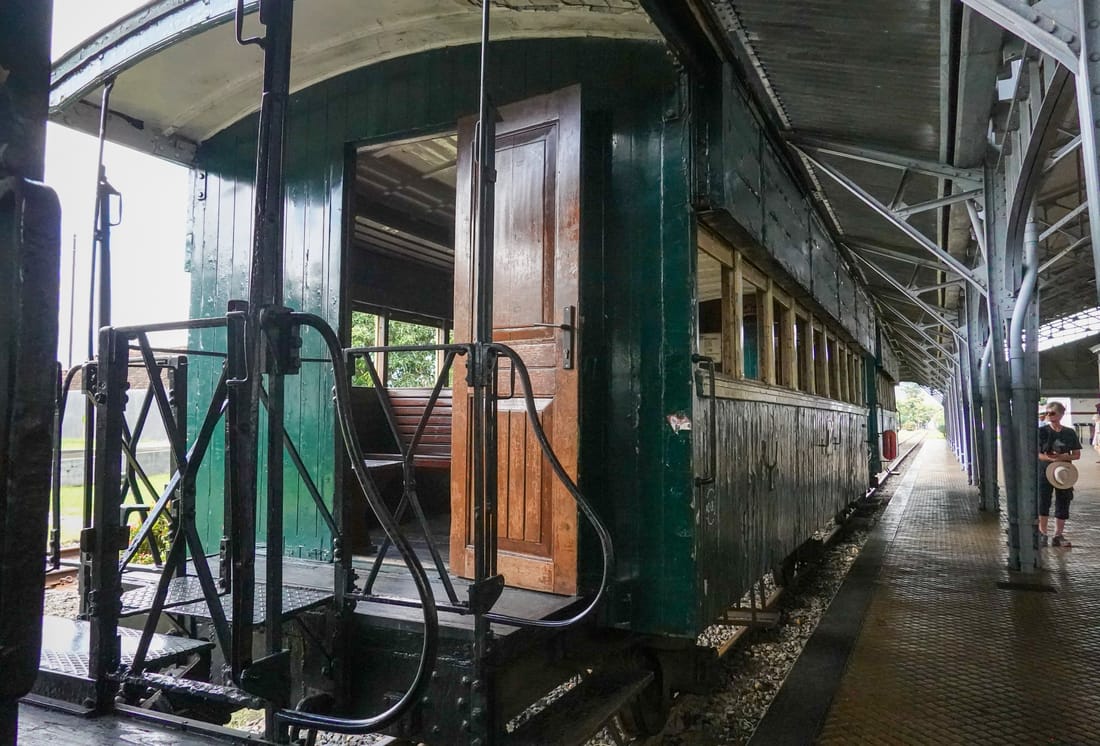
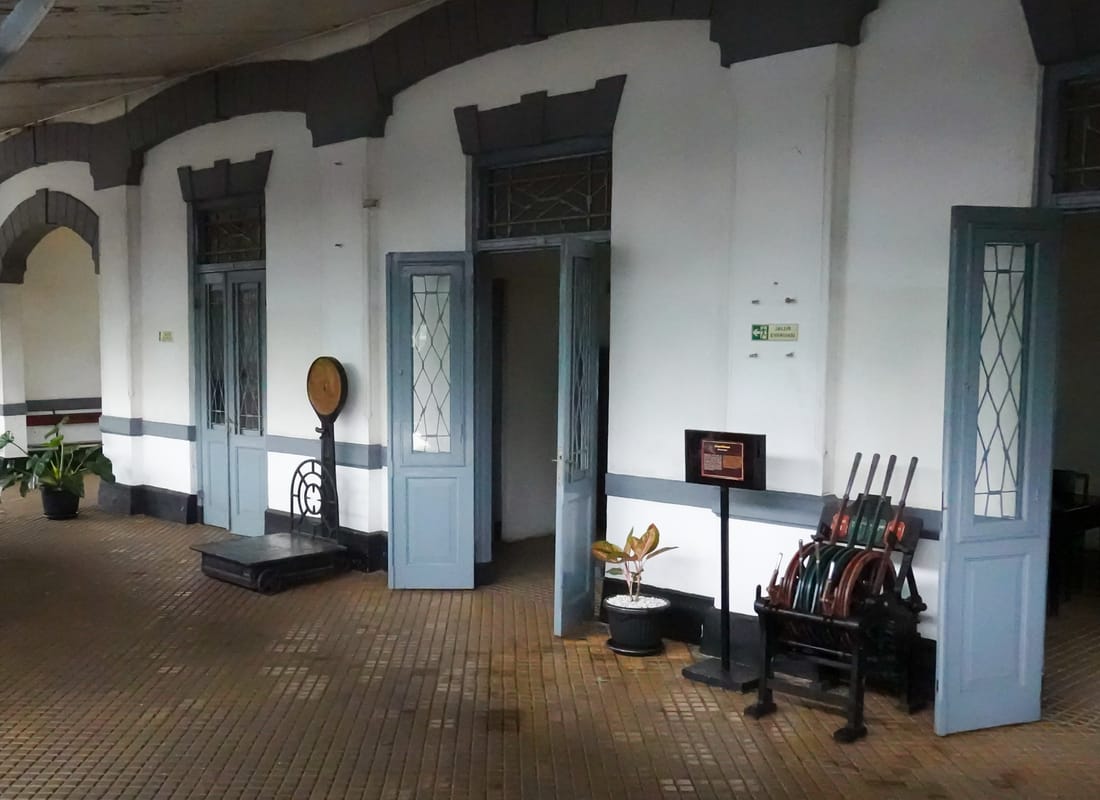
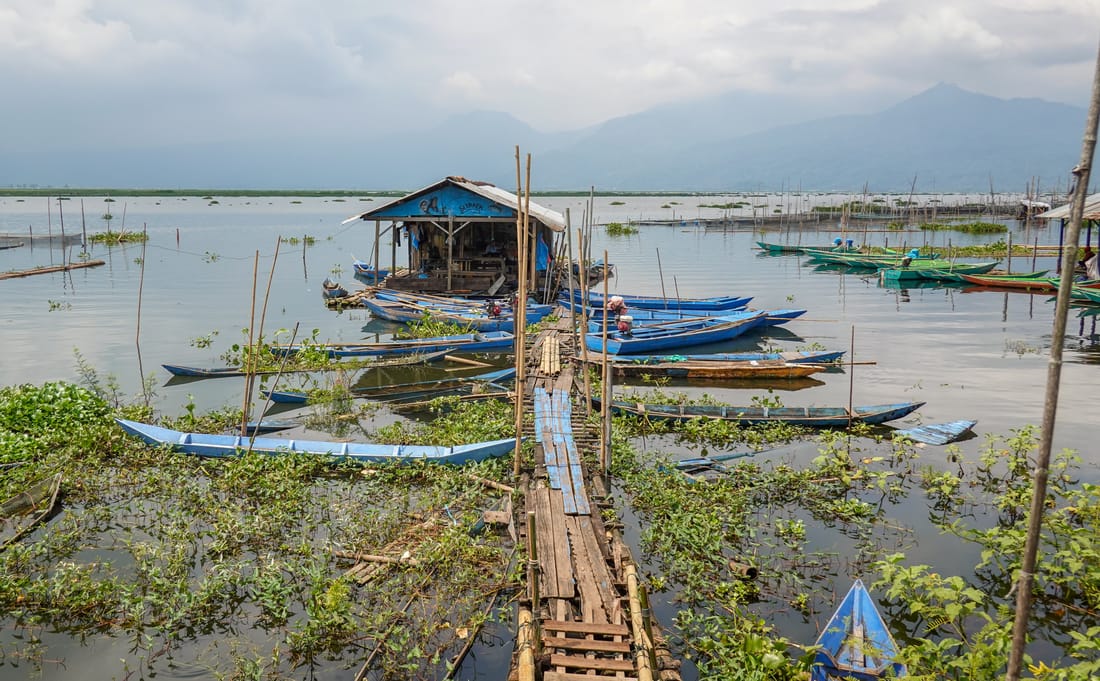
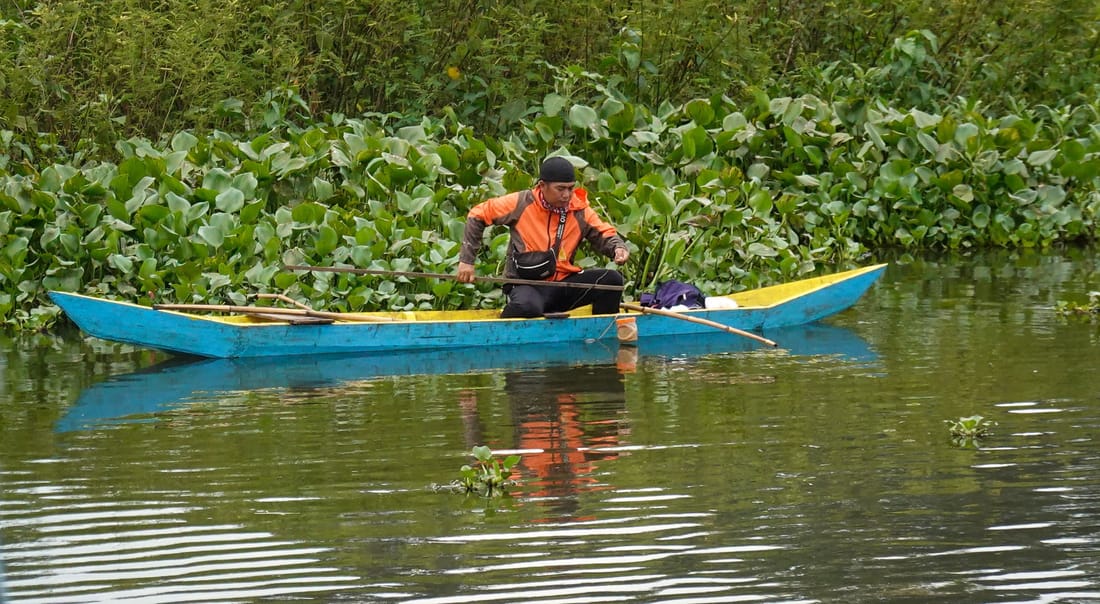
Part of our tour today was all about trains. The Ambarawa railway station, built in 1873, served the Dutch military and commercial interests for a hundred years. Many of the old engines and cars are in the museum there and one of them provided us a ride through beautiful countryside. The museum also preserved some small station houses, the ticket booth and ticket machines. I was especially interested in Java because I am currently reading The Covenant, by Michener, which deals with the Dutch settlement of South Africa and in the seventeenth century it seemed that all of the Dutch wanted to be stationed in Java. Although I am unable to understand why they wanted to live here we did enjoy our slow and scenic ride through a lake that seemed to be a fisherman’s paradise and the miles of rice paddies.
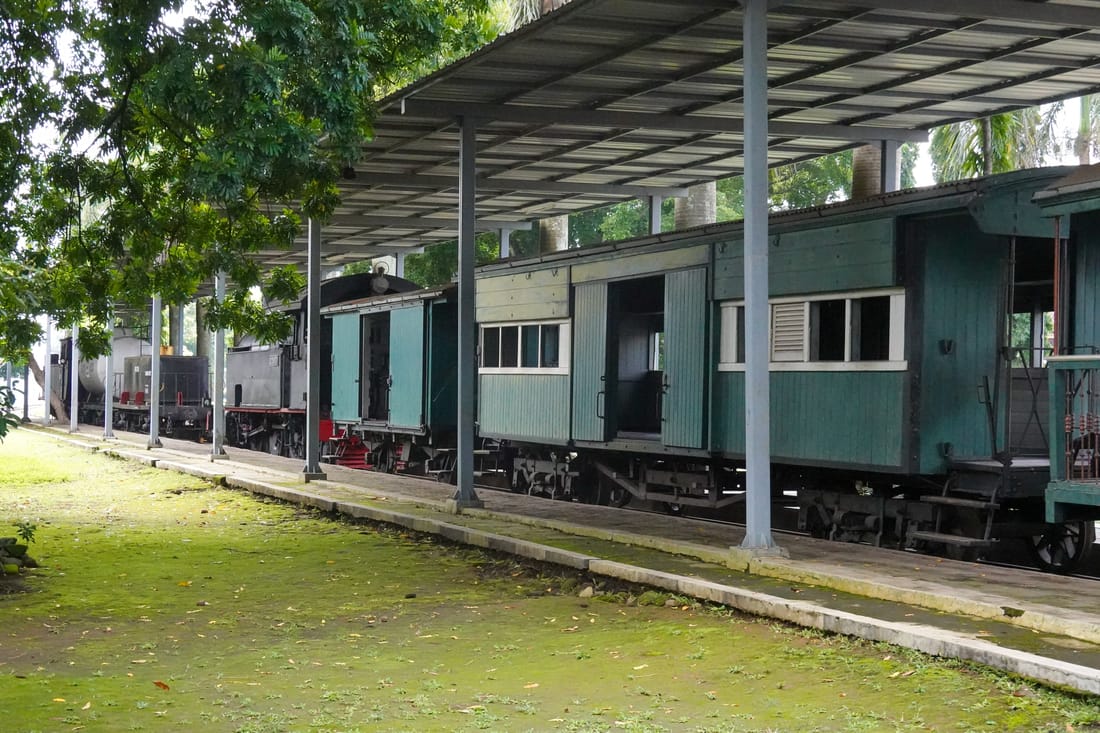
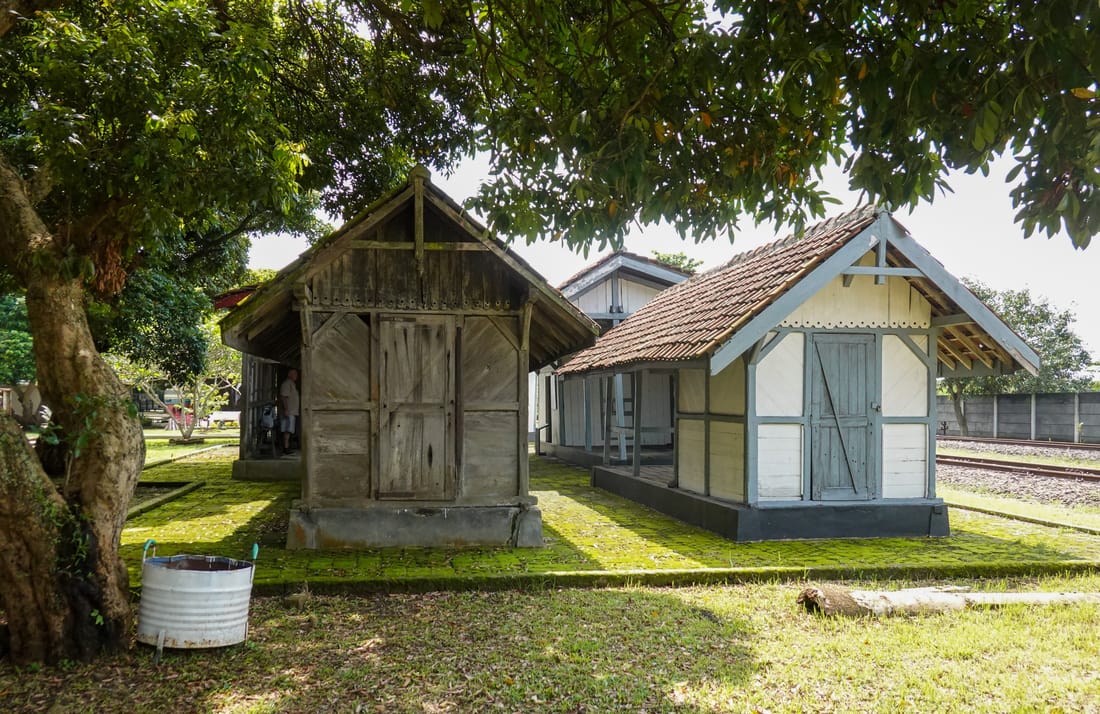
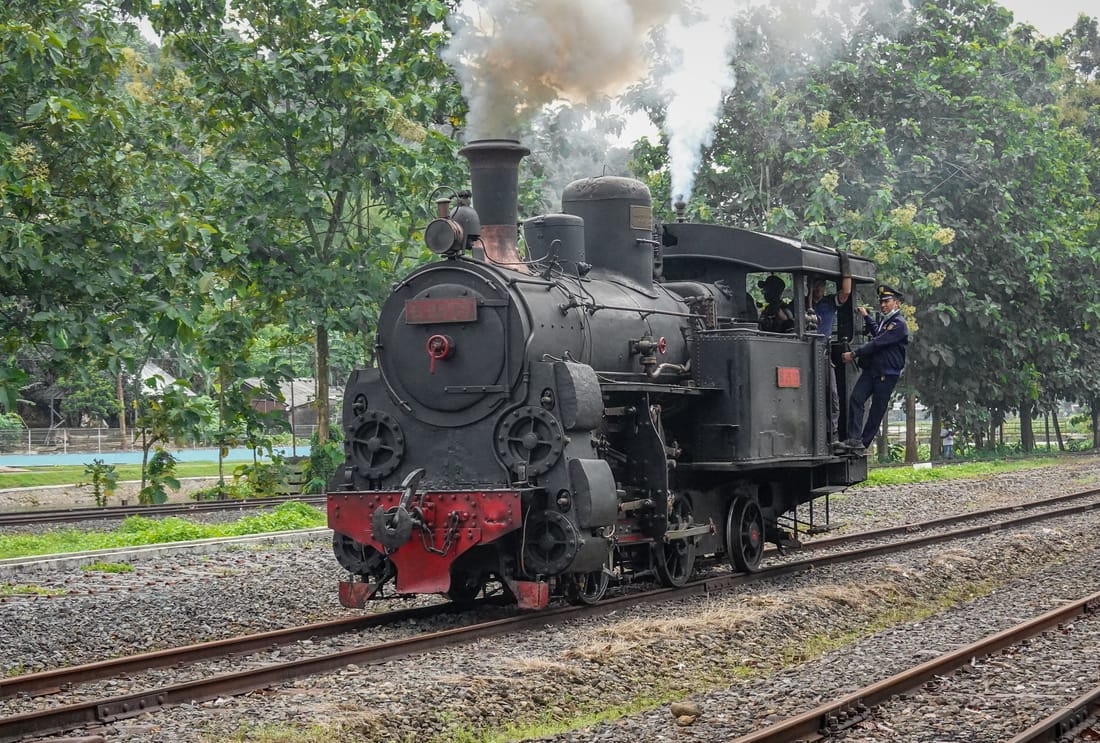
This was the wood fired engine that pulled us through our journey and the car in which we rode to this very pretty station at the other end of the line.
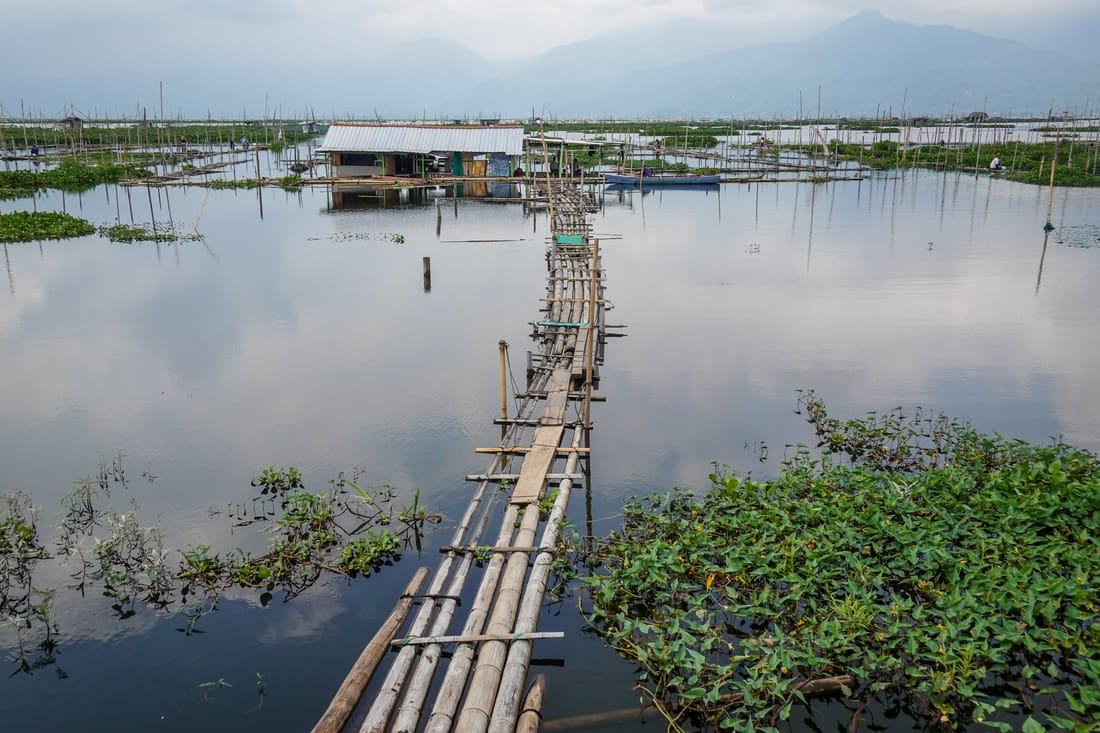
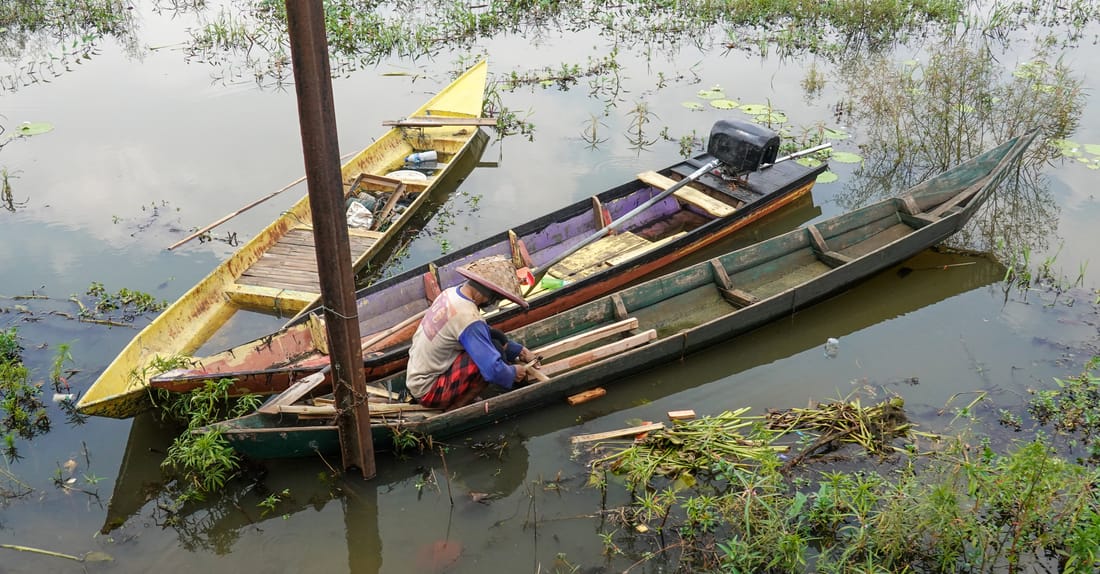
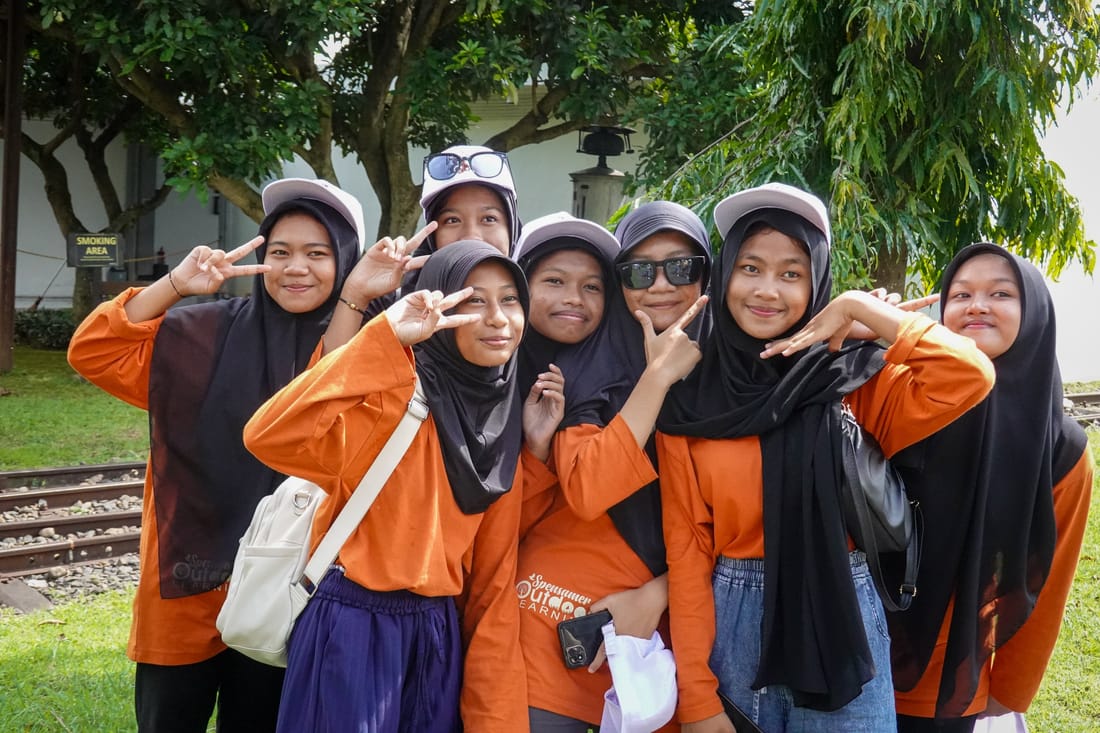
At the station we were a bit surprised that the crowds of Muslim school children all wanted us to take their picture and to take pictures of us. Clearly each of the religions is a bit modified here in this country of “unity in diversity” as they say.
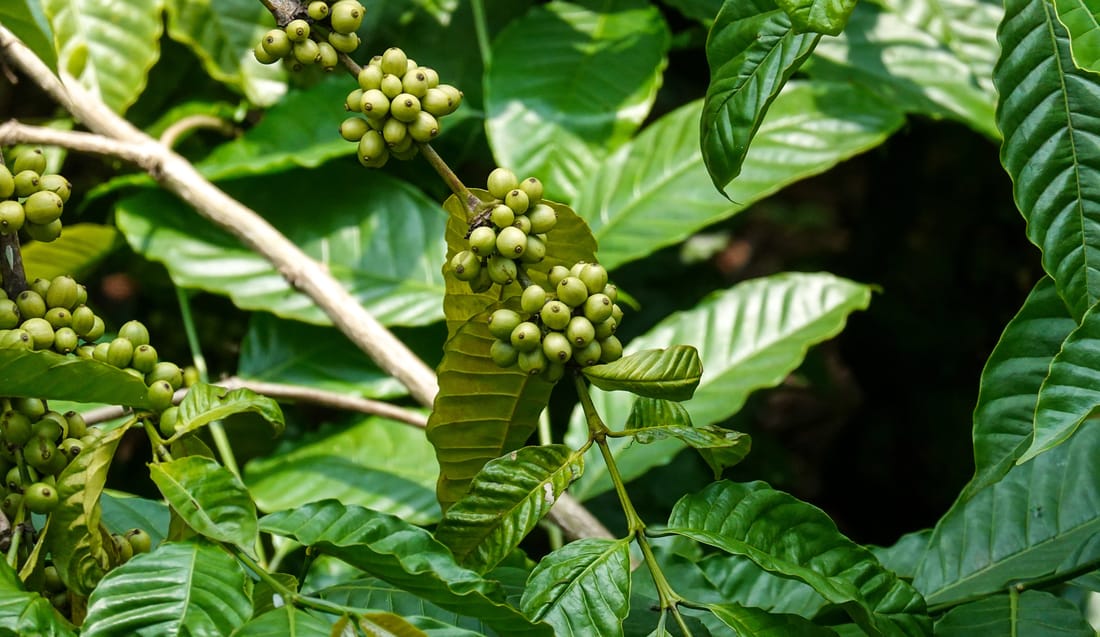
The other part of our tour was to a “coffee plantation” where we saw, and tasted, many kinds of fruits but saw only scattered individual specimens of each and not the fields which we had expected. It was a treat, however, to get to taste some of the things which I had never tasted before like the very bad smelling durian fruit and the raw fruit of the cocoa pod (it doesn’t have a hint of the taste of chocolate). The coffee bushes were loaded with unripe beans but we got to taste some just roasted ones along with a piece of local sugar which made a nice combination in your mouth.
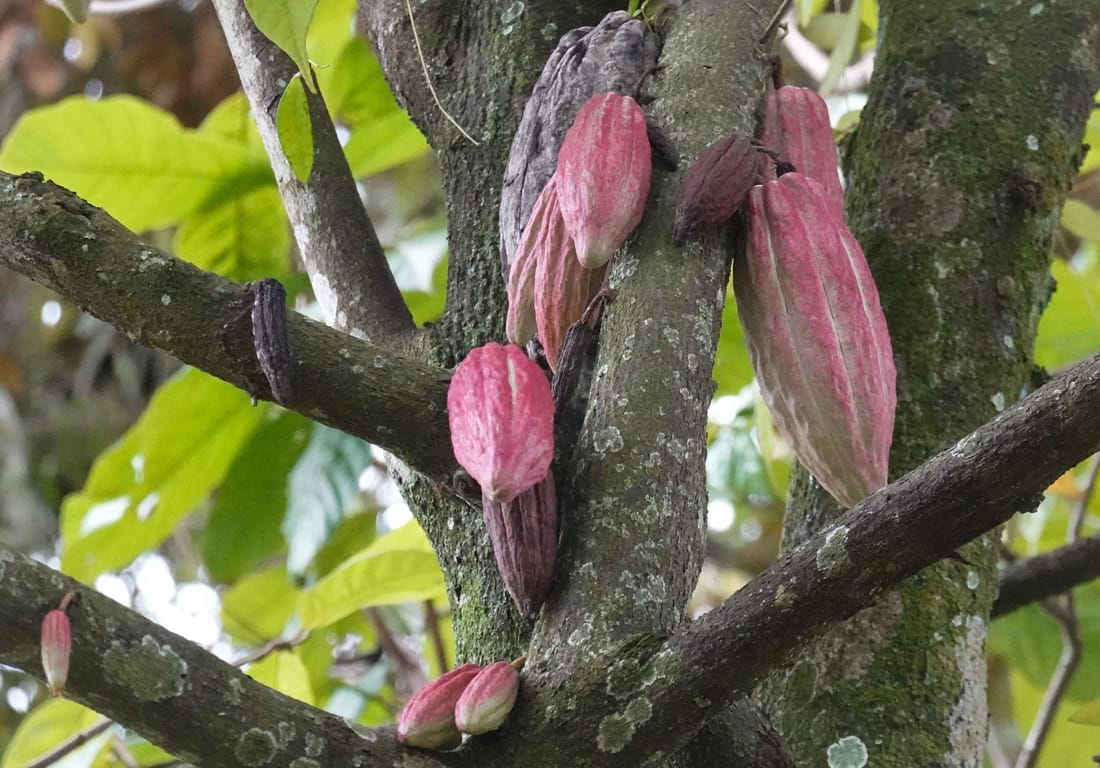
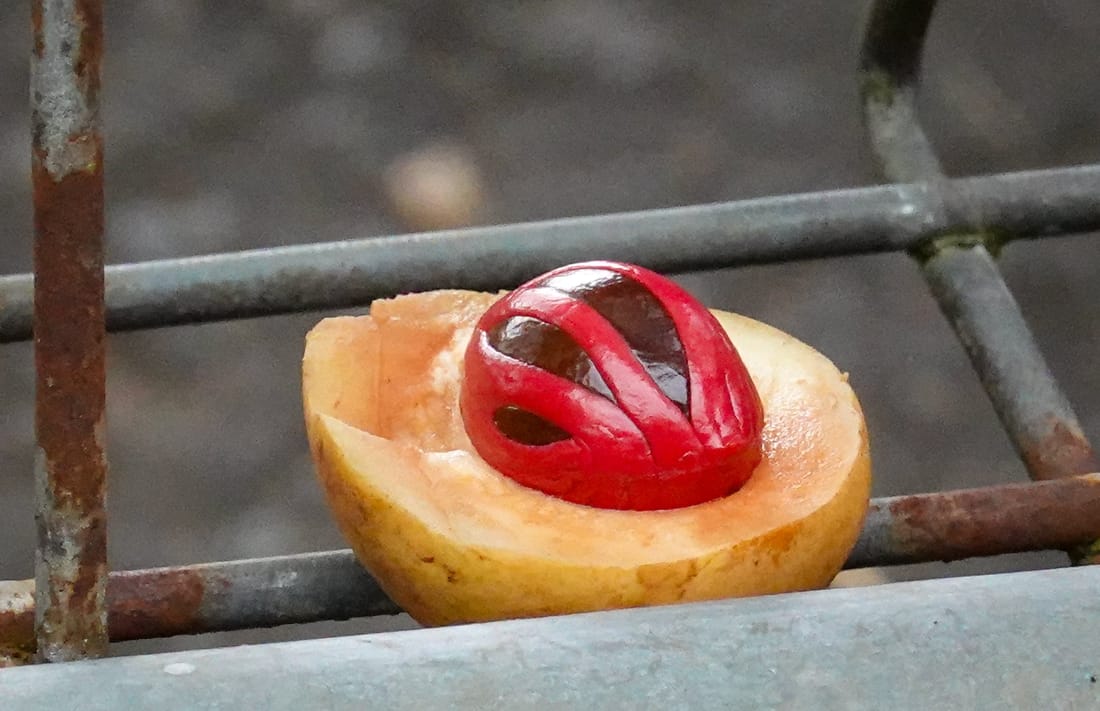
These cocoa pods are interesting in that they grow right out of the tree trunk or a large branch. The inside is milky white and not too sweet. I think the nutmeg seeds are beautiful with their lacy red mace covering — two for the price of one.
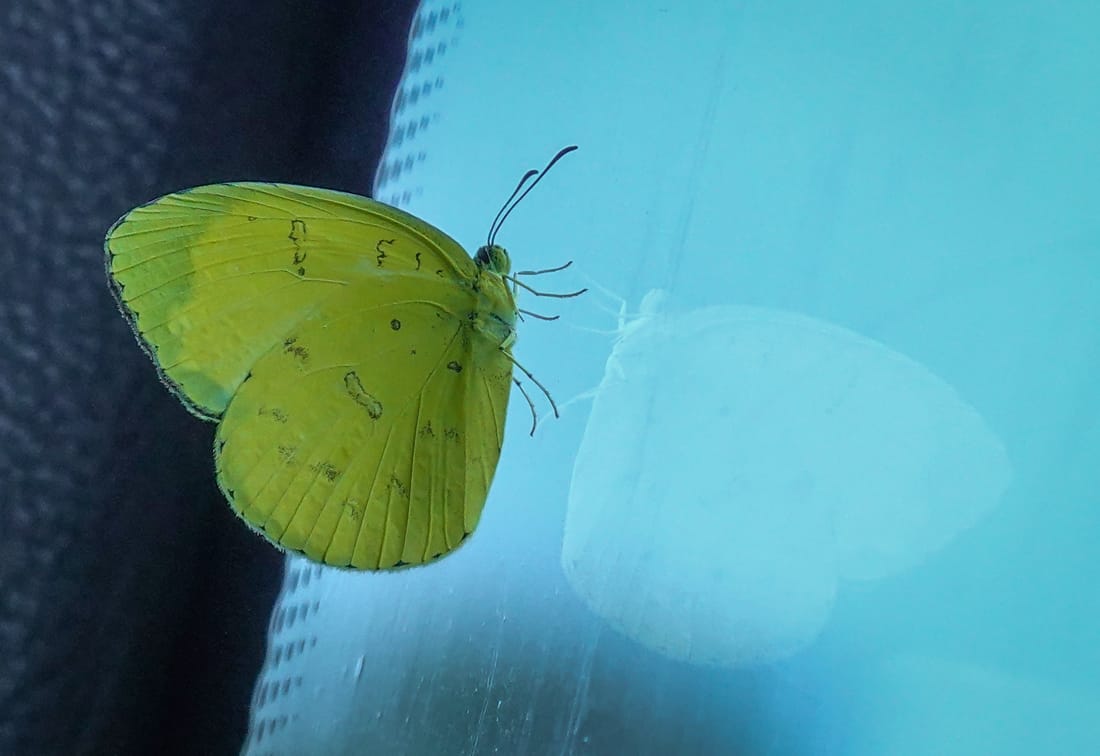
We were glad not to see any mosquitoes but we did see lots of beautiful dragon flies and this pretty little moth in the bus. I heard one woman’s story of a monkey bite on another tour and later in the day a man’s story of falling into barbed wire and getting lost from his group for an hour. Travelling truly is an adventure.
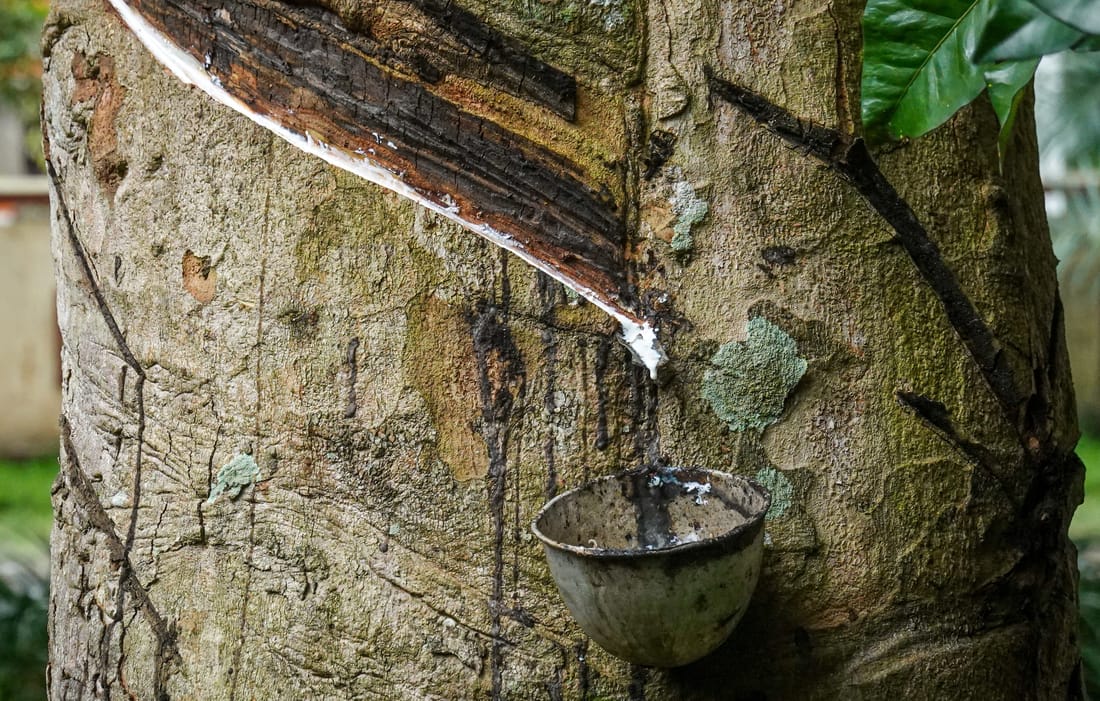
Indonesia is second in the world in rubber production and we got to visit one of their rubber factories. It was really hard to take in. Here is the office, the outside of the facility, a workers quarters and what I was told was one day’s output of rubber. But first a picture of how the latex is collected.
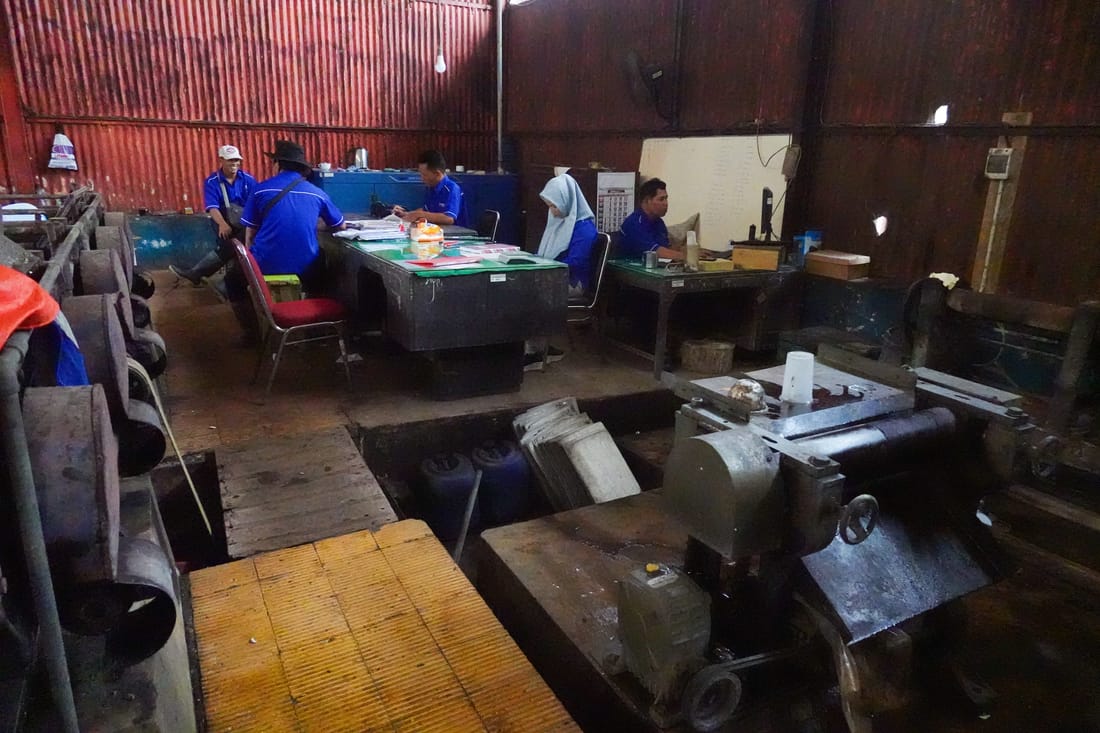
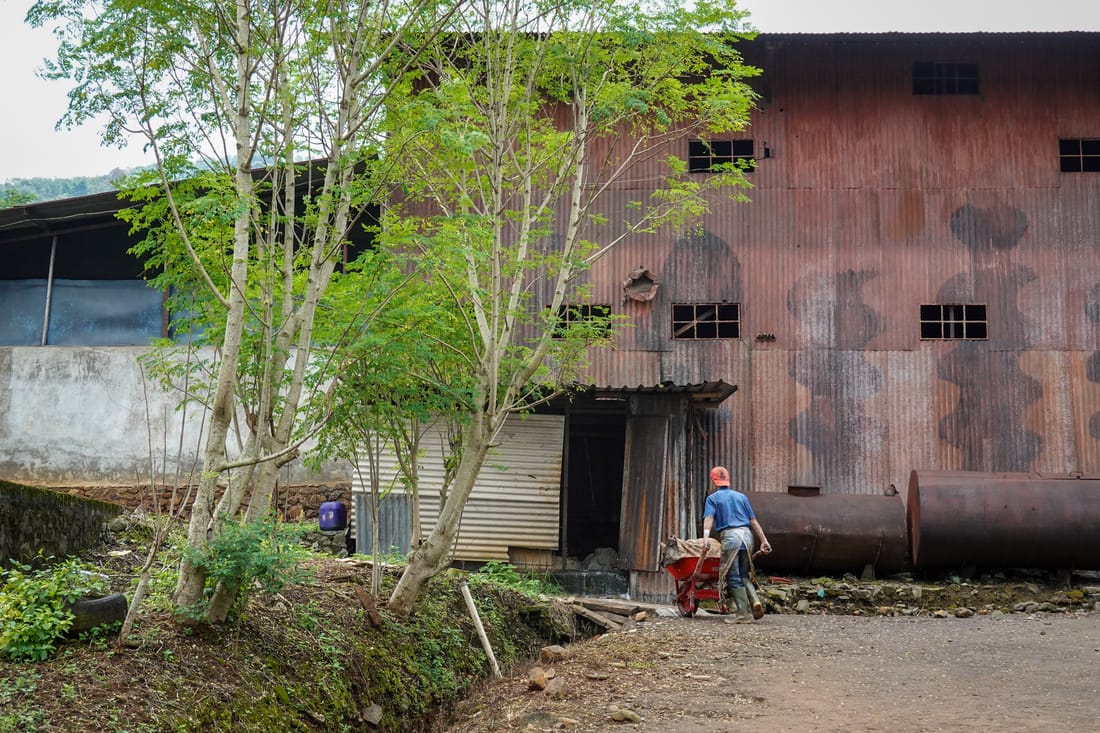
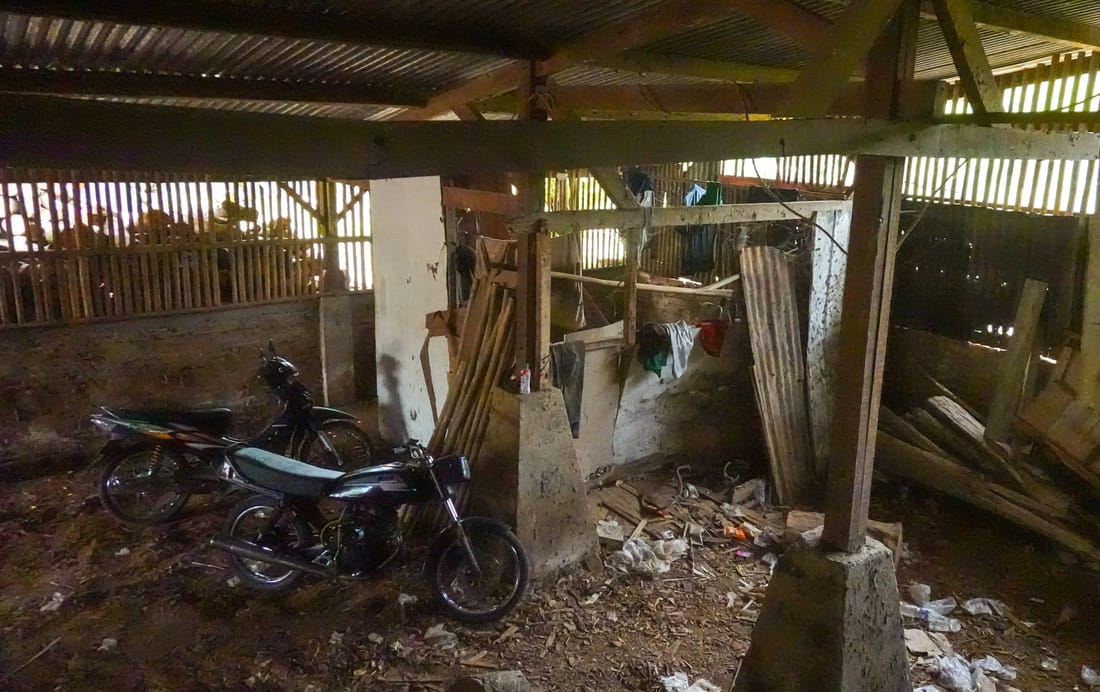
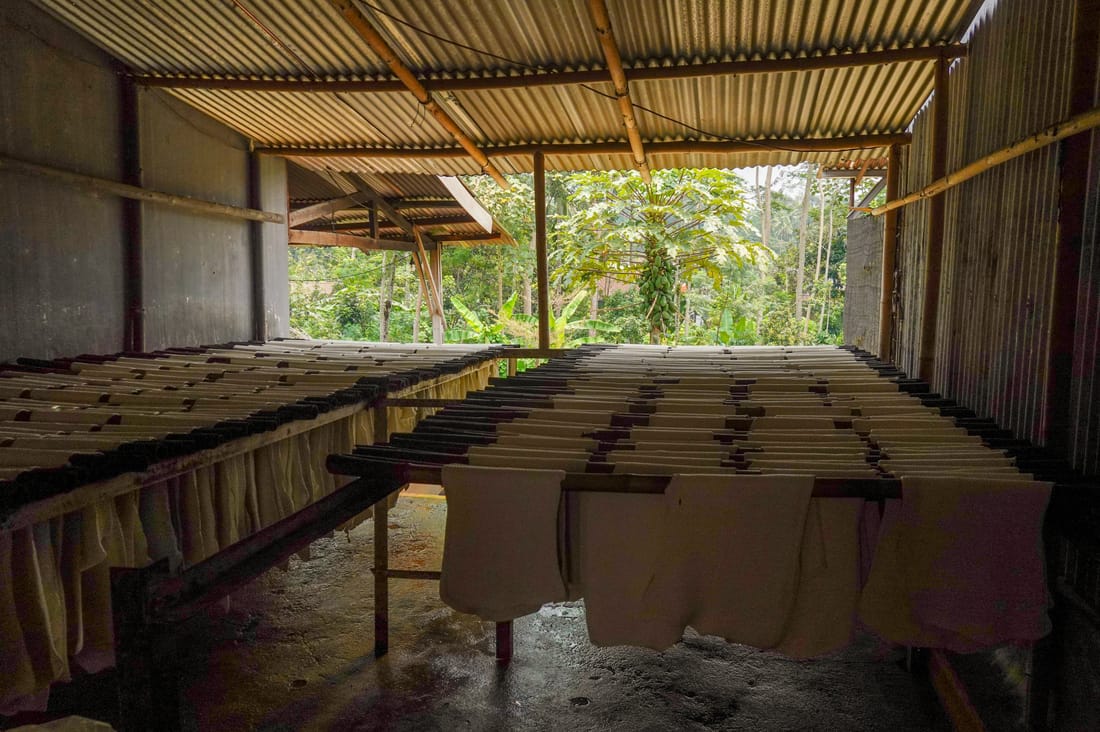
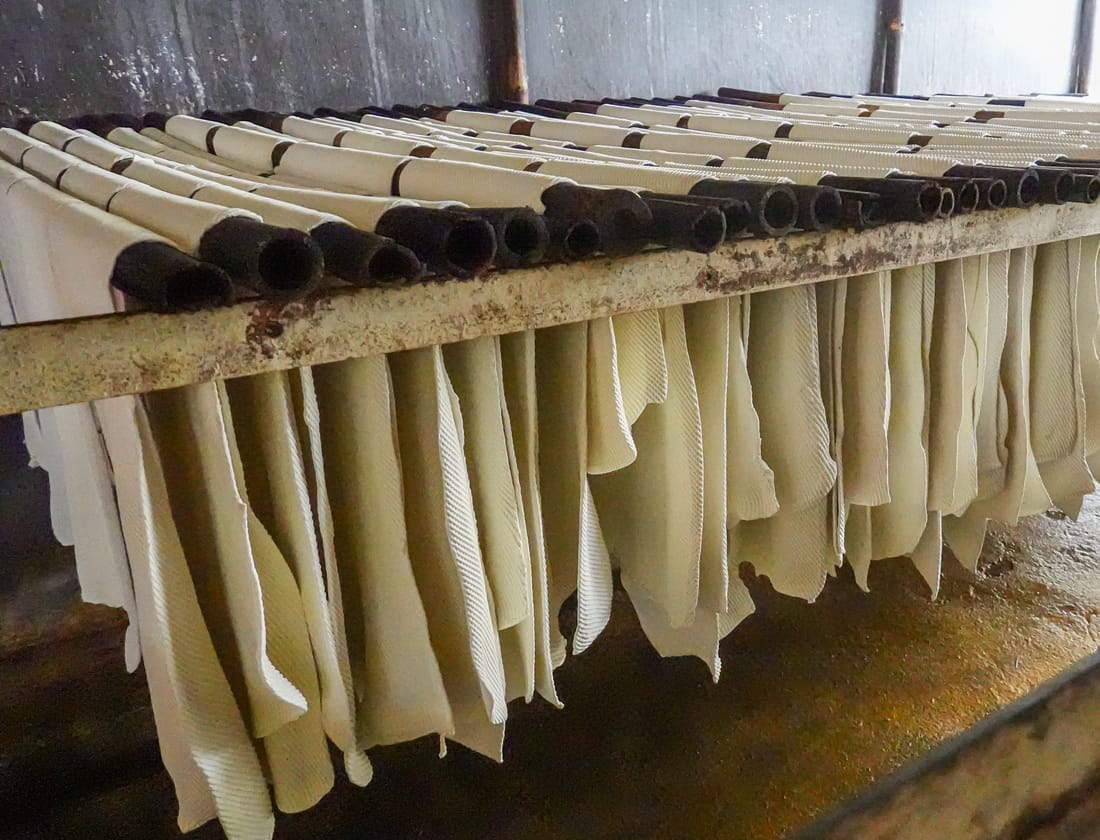
Their rubber is going to the tire industry in various countries in Asia. While near the port we saw thousands of acres of fish farms which we were very glad to hear raised fish only for local consumption.
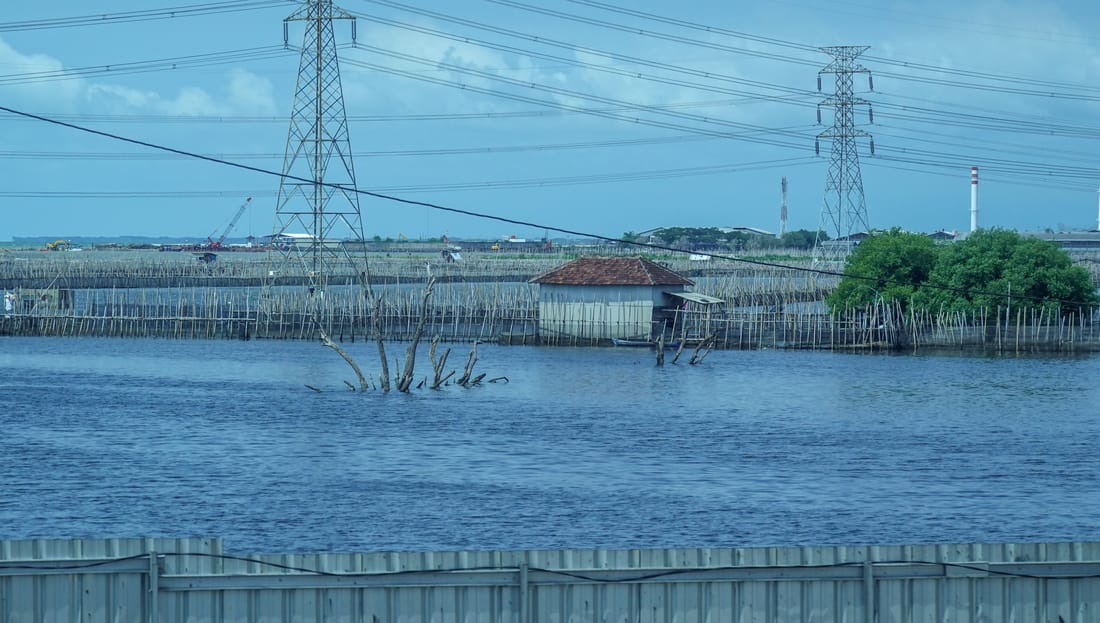
You have to give these people credit for what they do with what they have but I would have a very hard time adjusting to life in this part of the world. It makes me appreciate even more the sacrifice of the many missionaries who have come here over the centuries and made some small difference, which we have been told about occasionally on this trip, in these cultures.
The Covenant is one of my favorite all-time books! Did you know the Dutch went to Japan about 1600? I’m surprised at how clean things seem generally. And that I didn’t see you in a blue boat rental! Those boats were begging to be used. The signs are in English – what an advanced country! Again, I love the amazing photography!