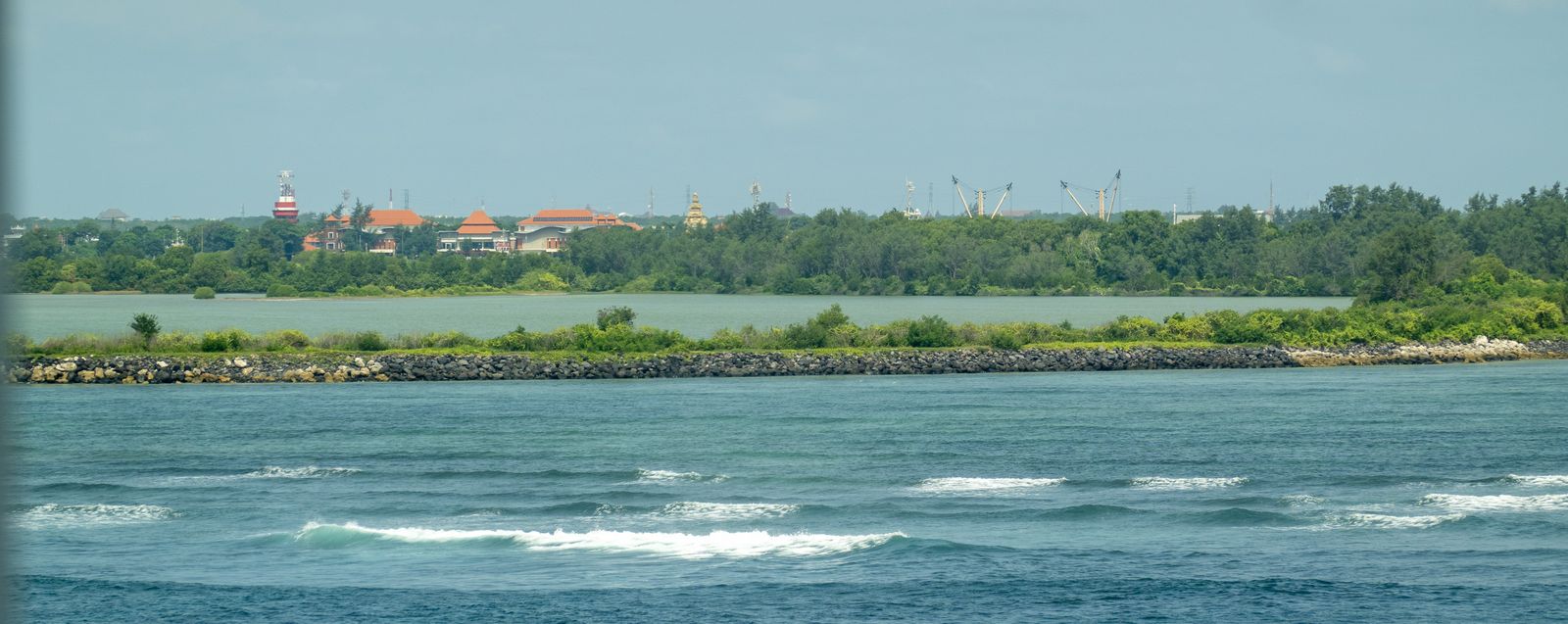
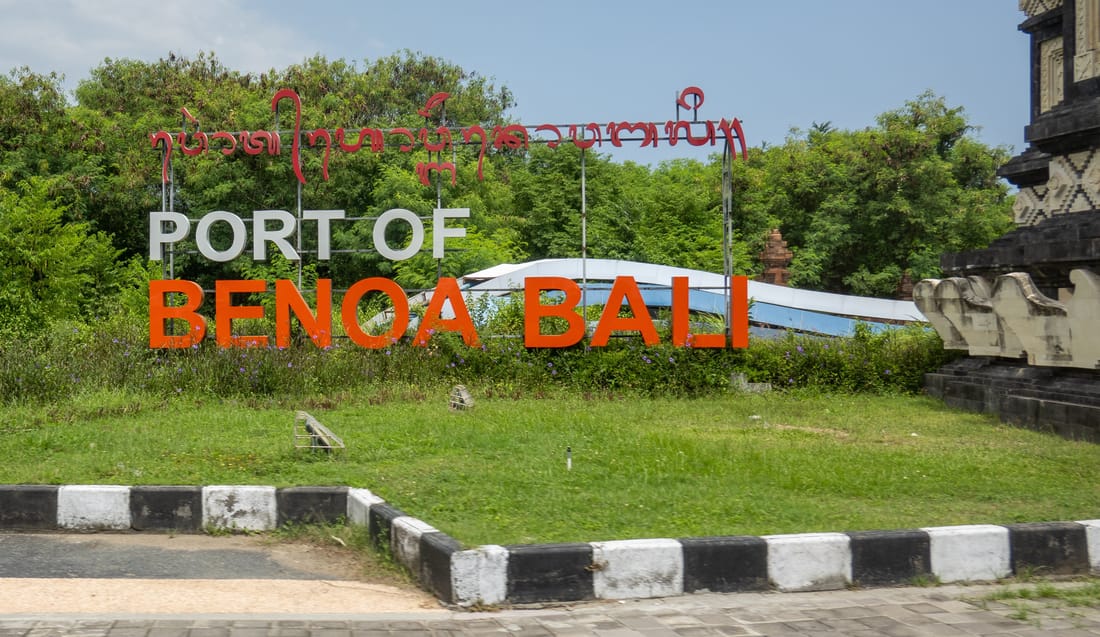
As we sailed into Bali I thought that what I saw matched what I had always imagined Bali to be, which I now know is only what Bali would like us to believe it is. It turned out to be very different. I’m actually still trying to figure out what to say about it. So here are a few pictures while I continue to debate with myself as to what to tell you.
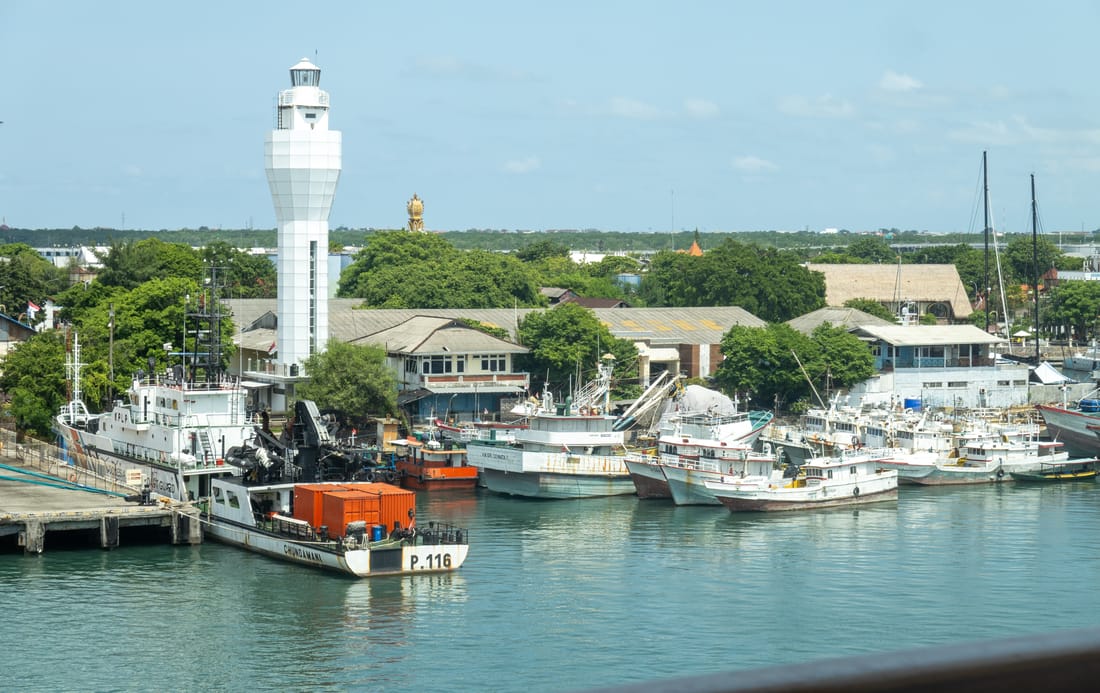
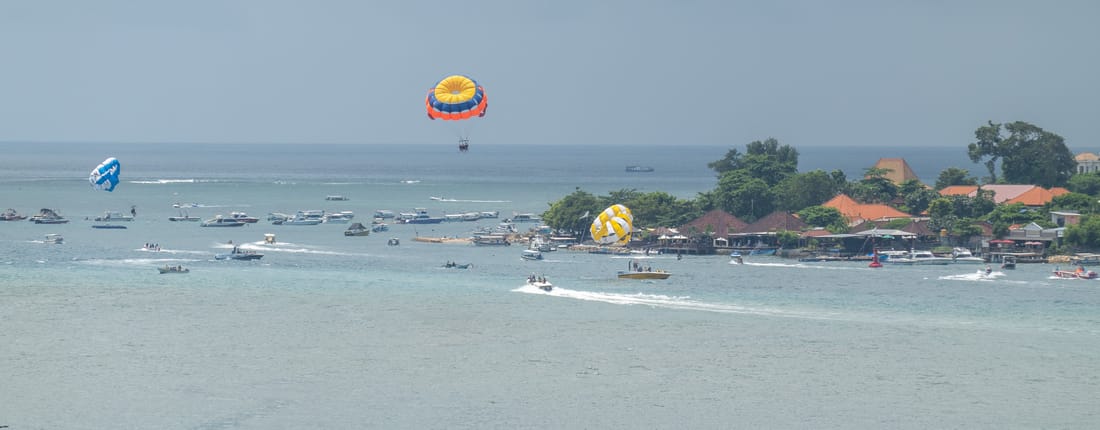
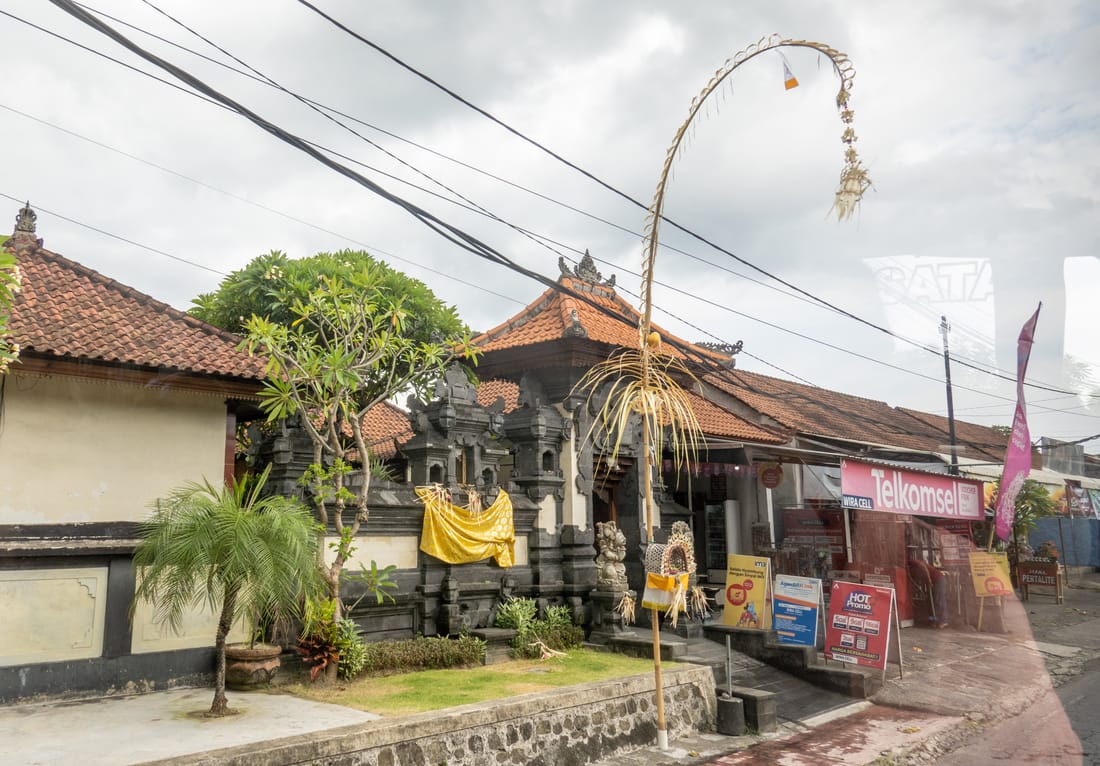
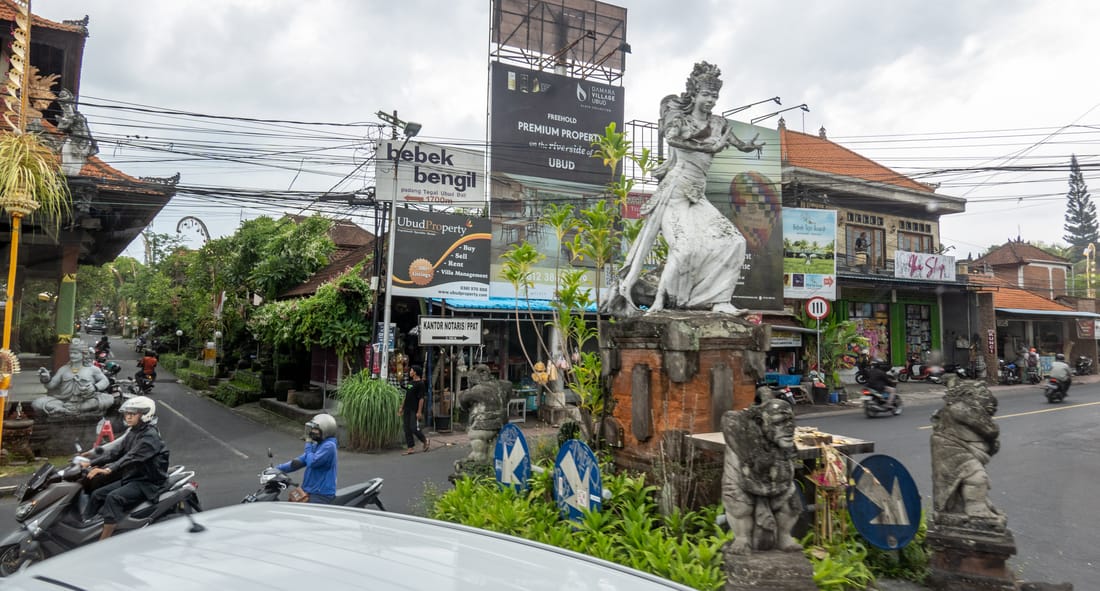
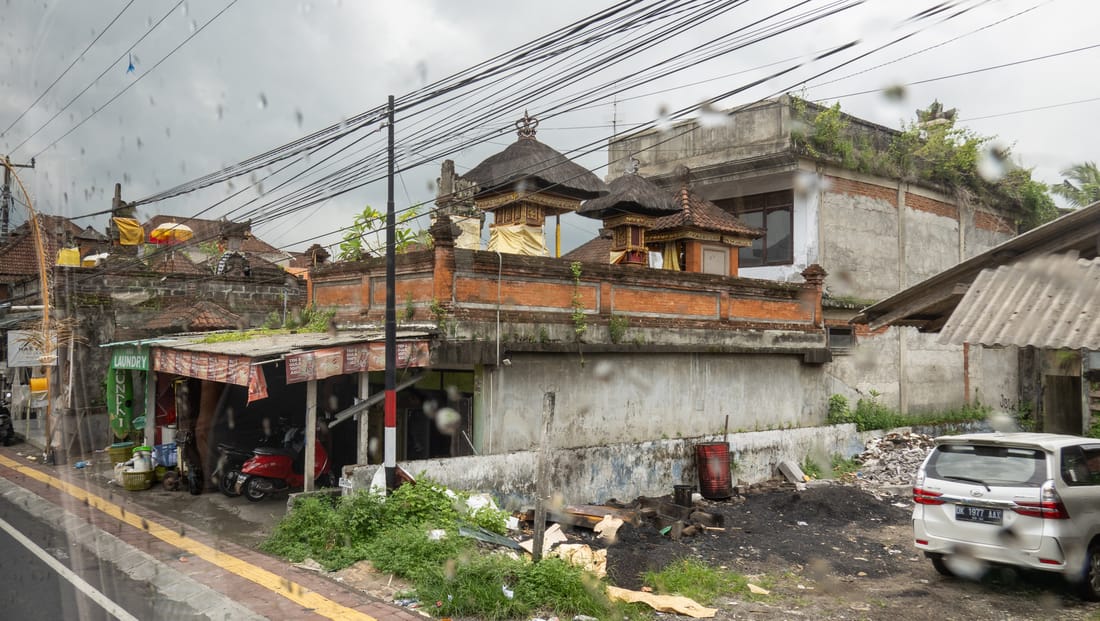
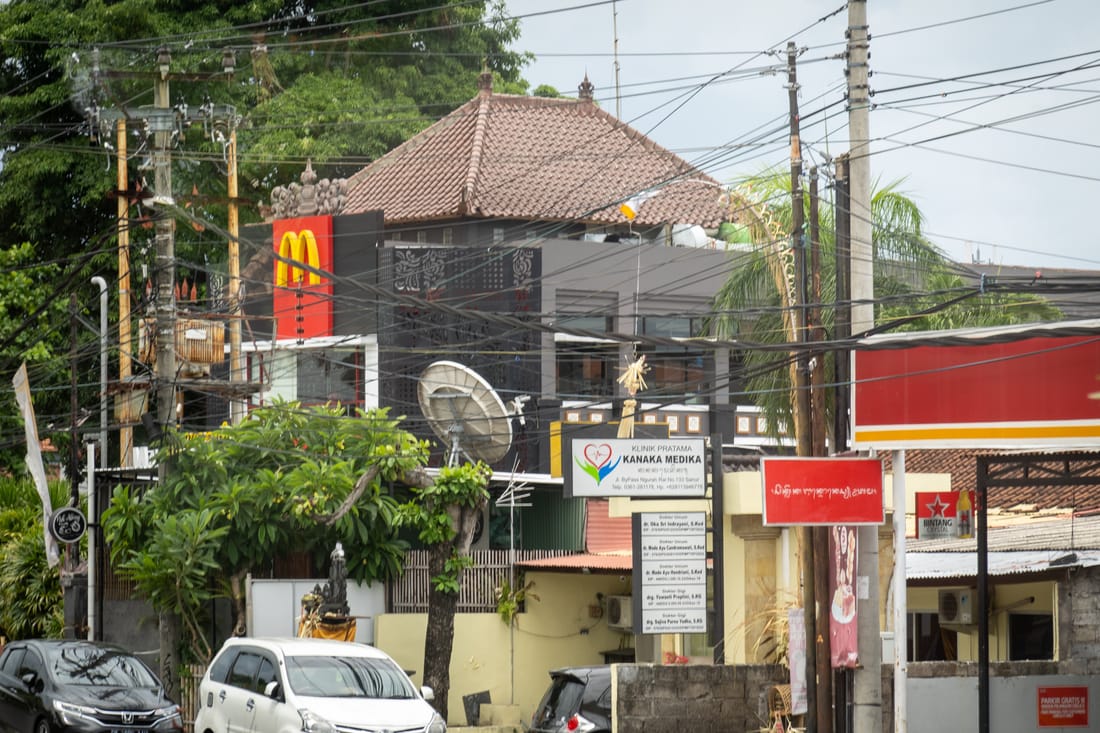
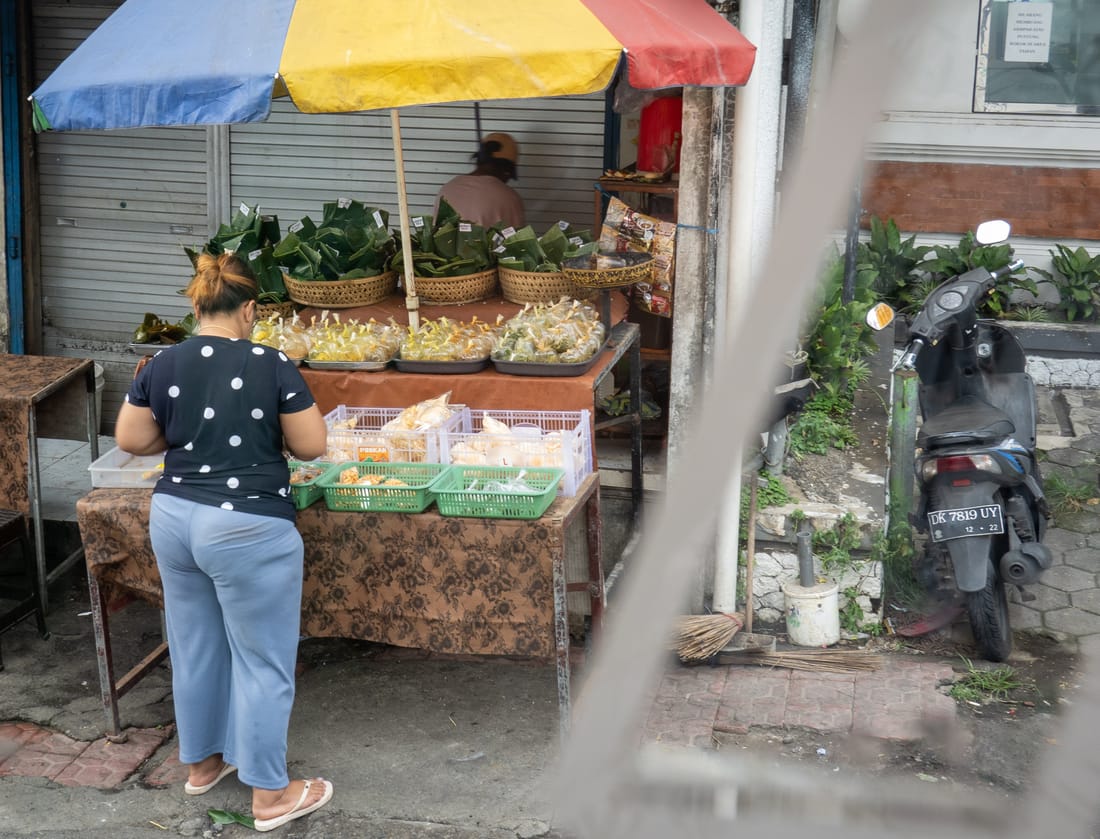
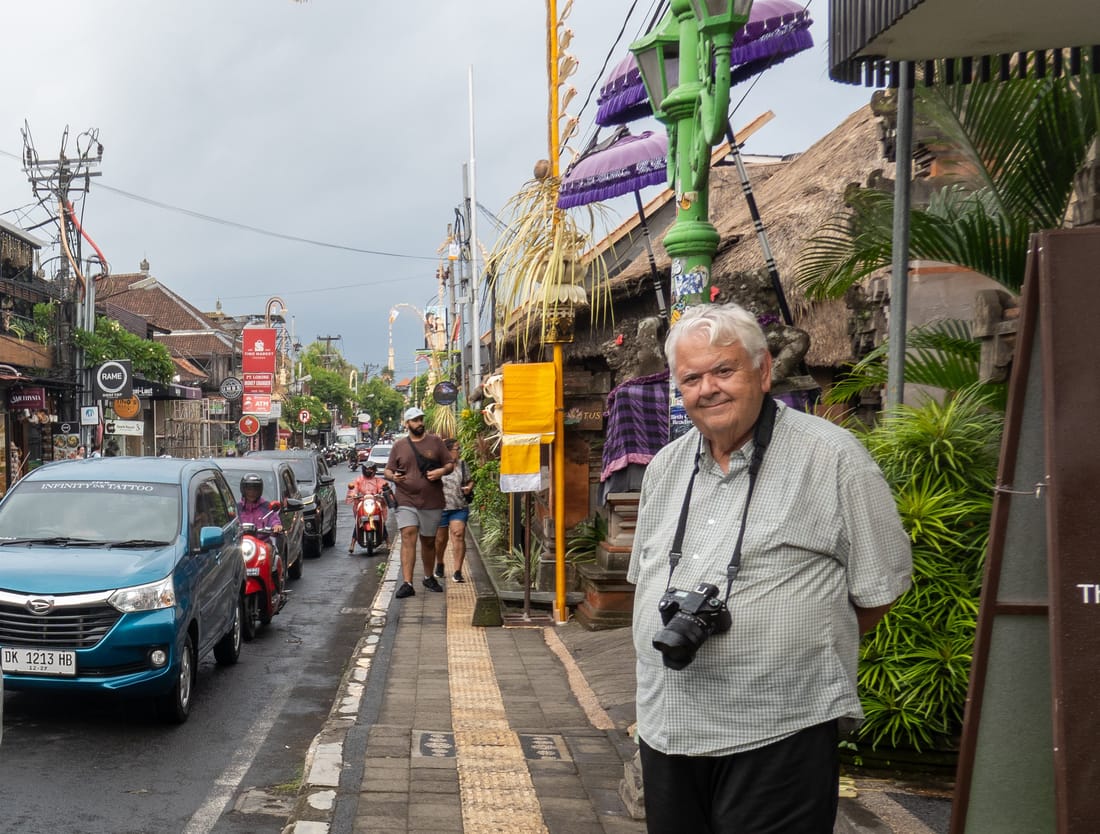
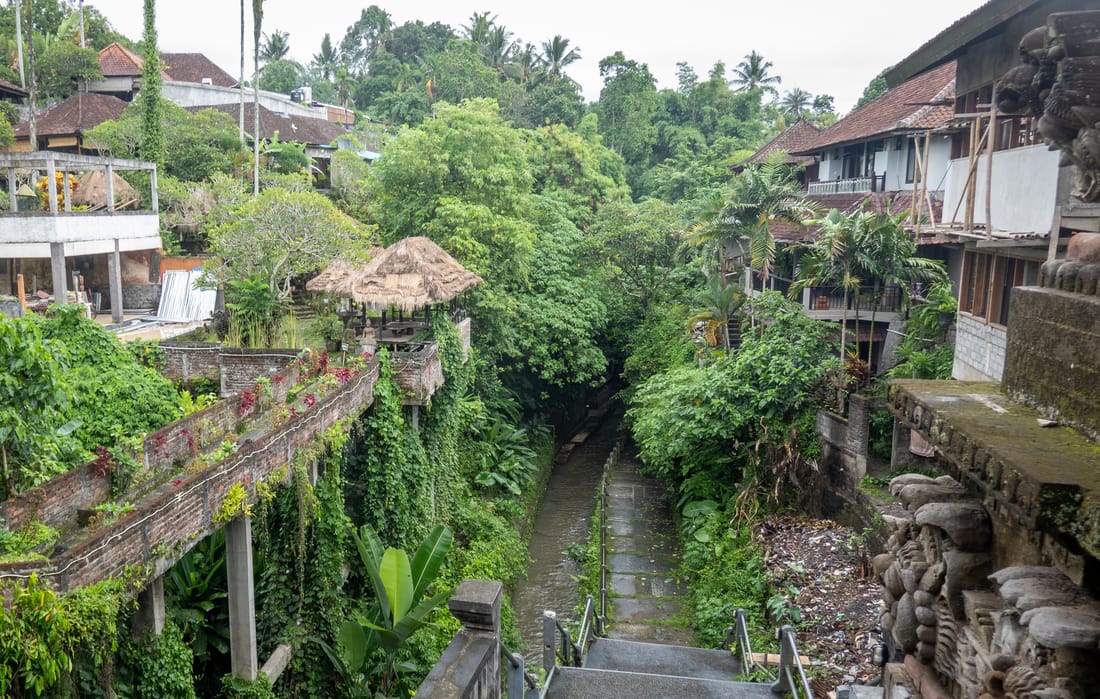
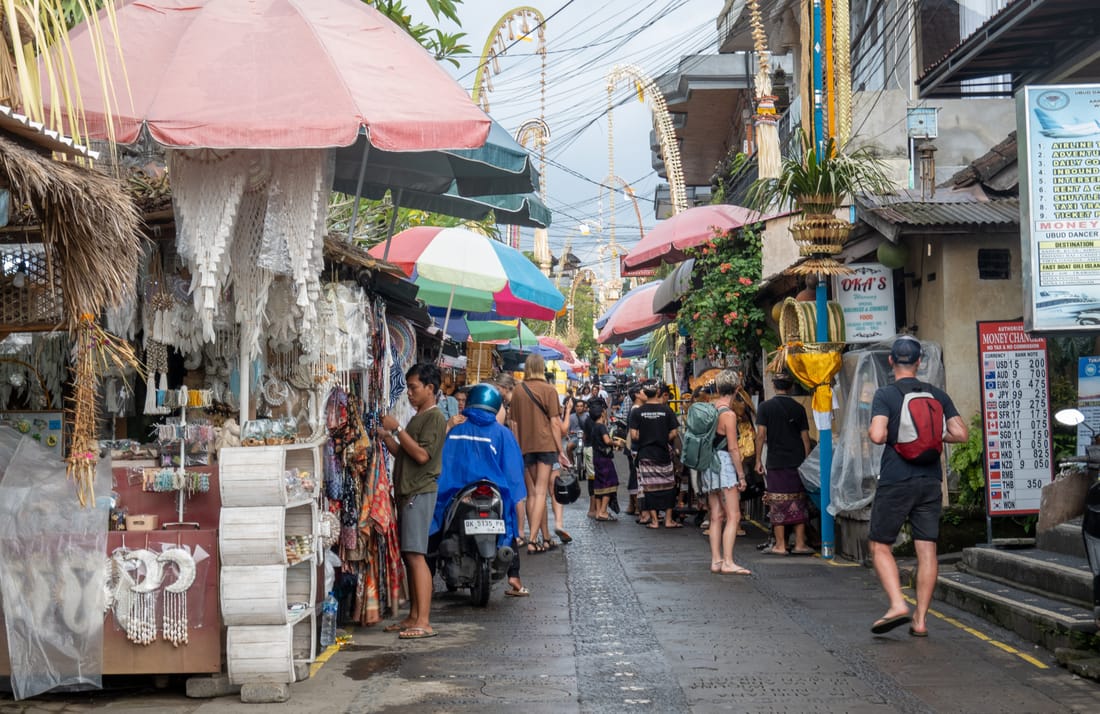
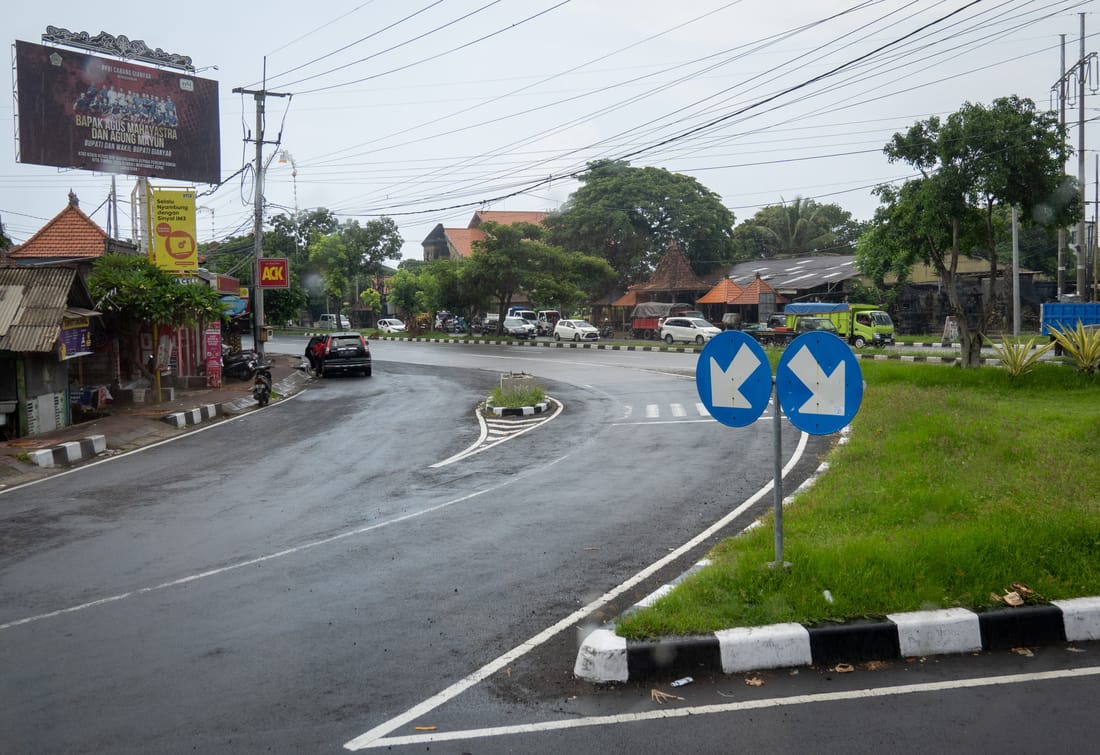
We have been docked here for three days and each day we did a fairly long tour going in a different direction each day with a different guide and learning much standard information as well as lots that differed and was sometimes contradictory. But what couldn’t be falsified was what we saw with our own eyes, all day, every day. Here are some pictures, many taken from the bus window as we drove for hours every day through village after village seeing hundreds, maybe thousands, of Hindu temples and shops never ending.
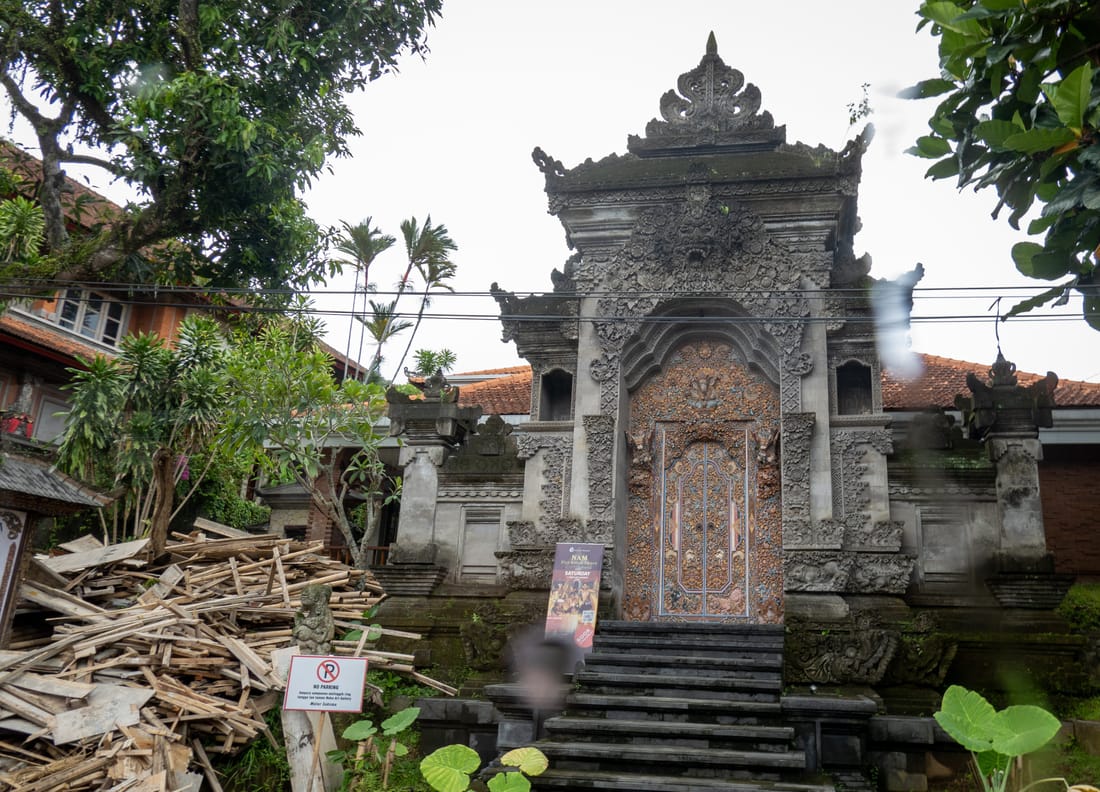
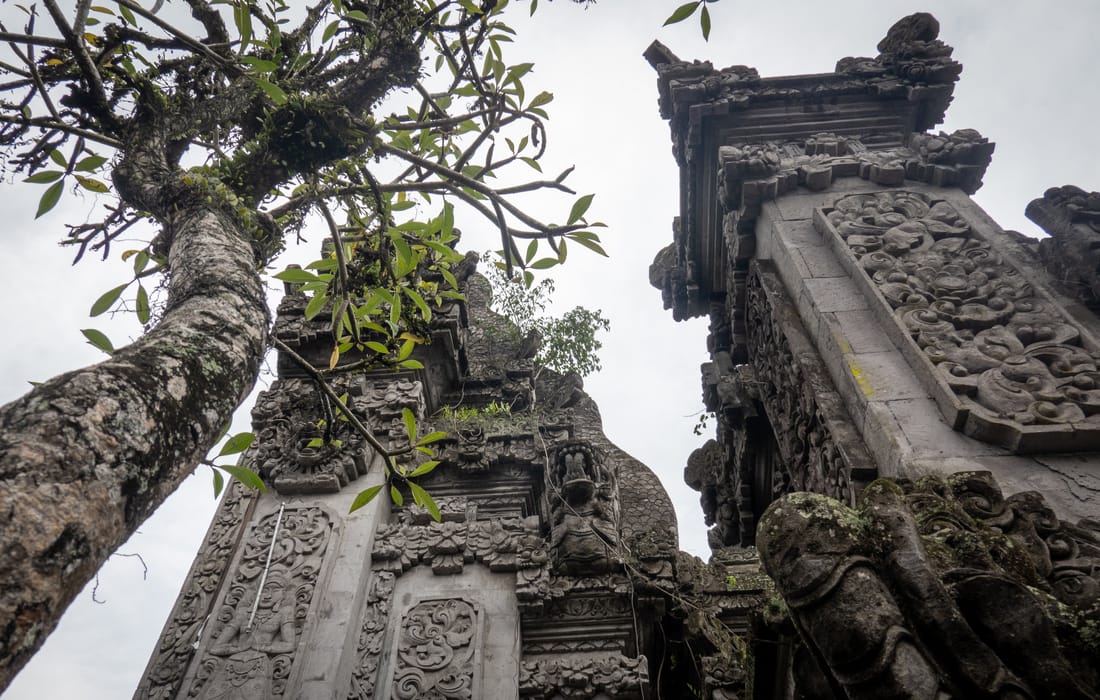
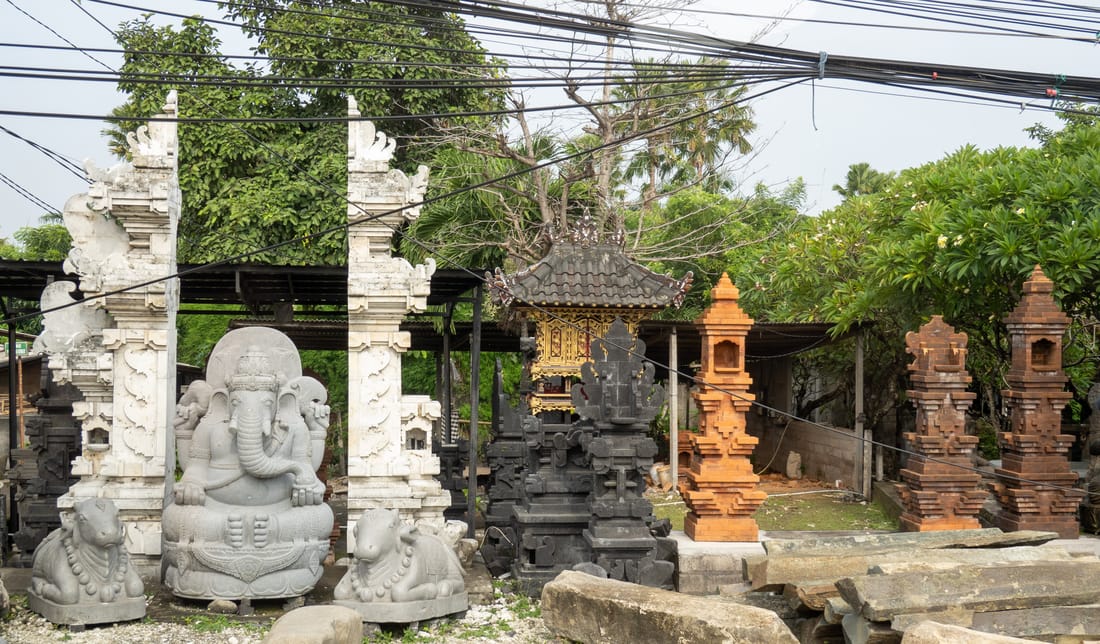
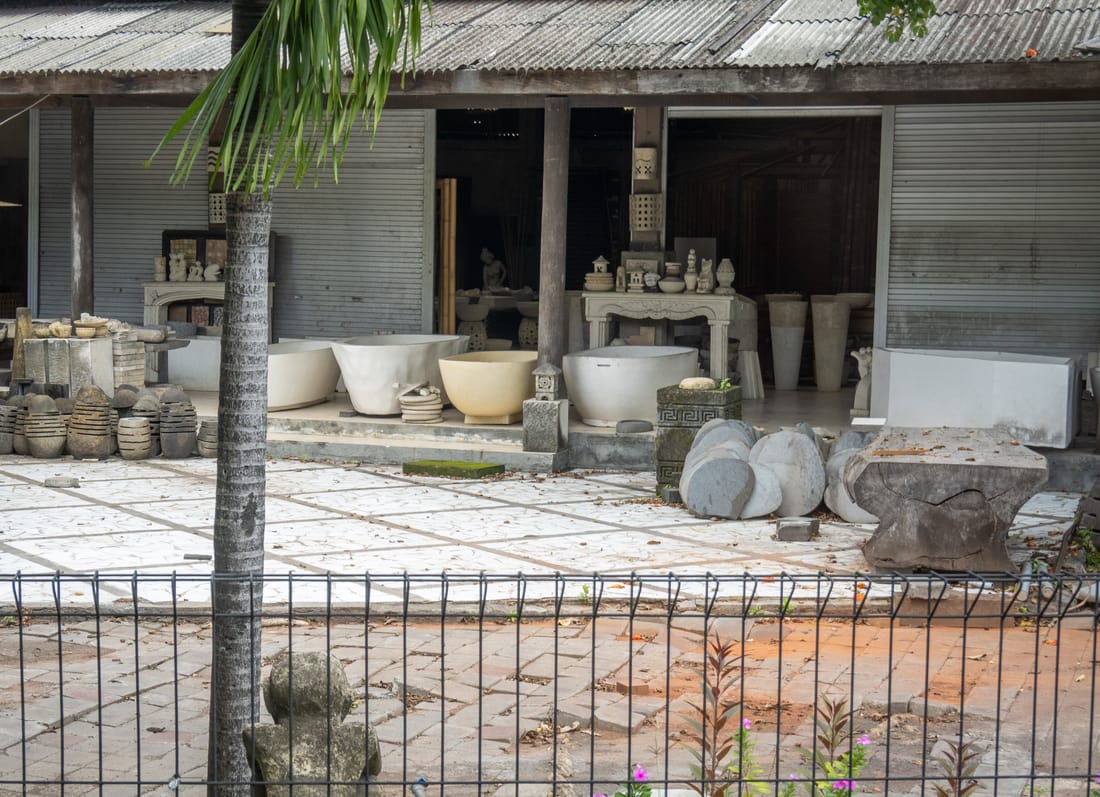
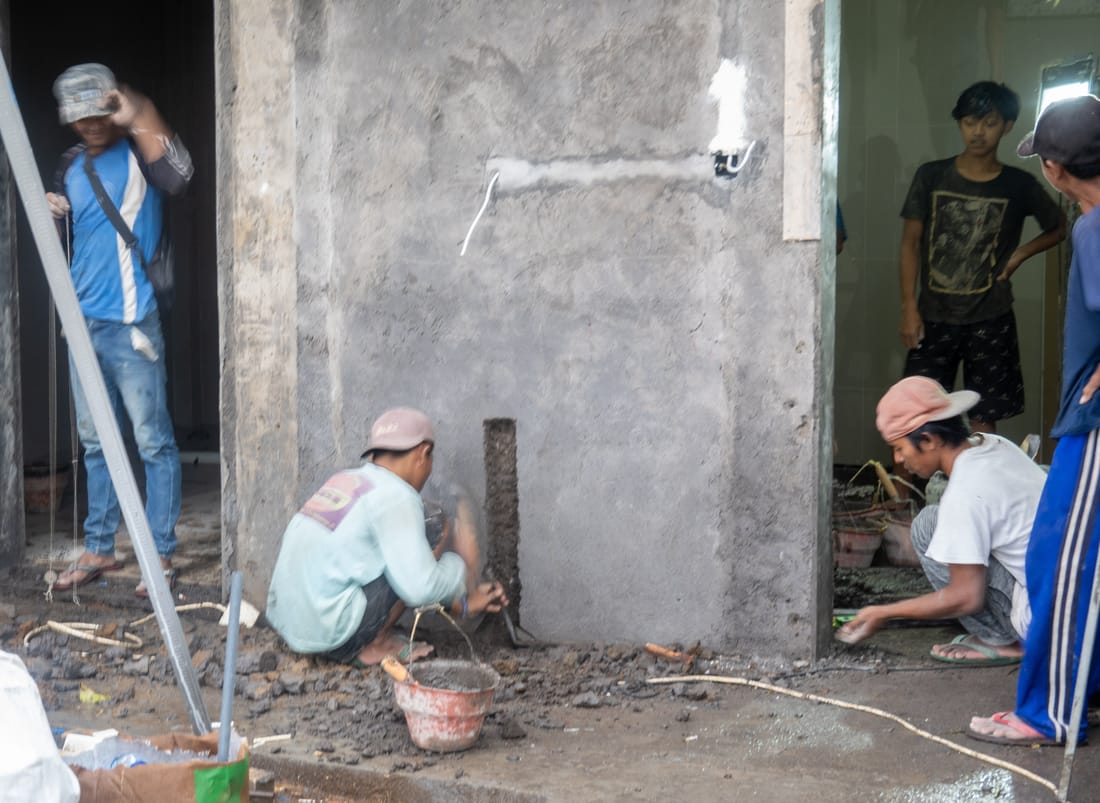
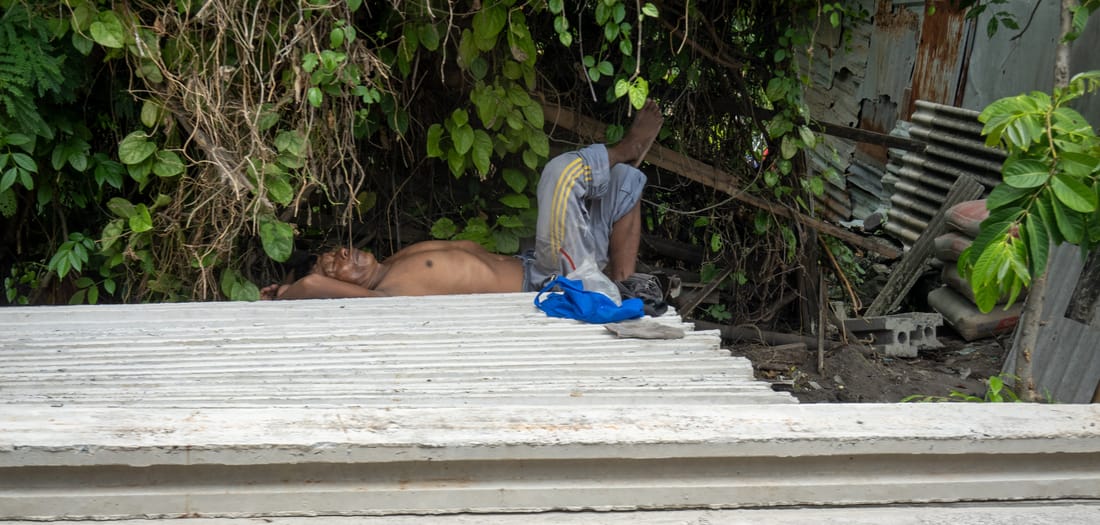
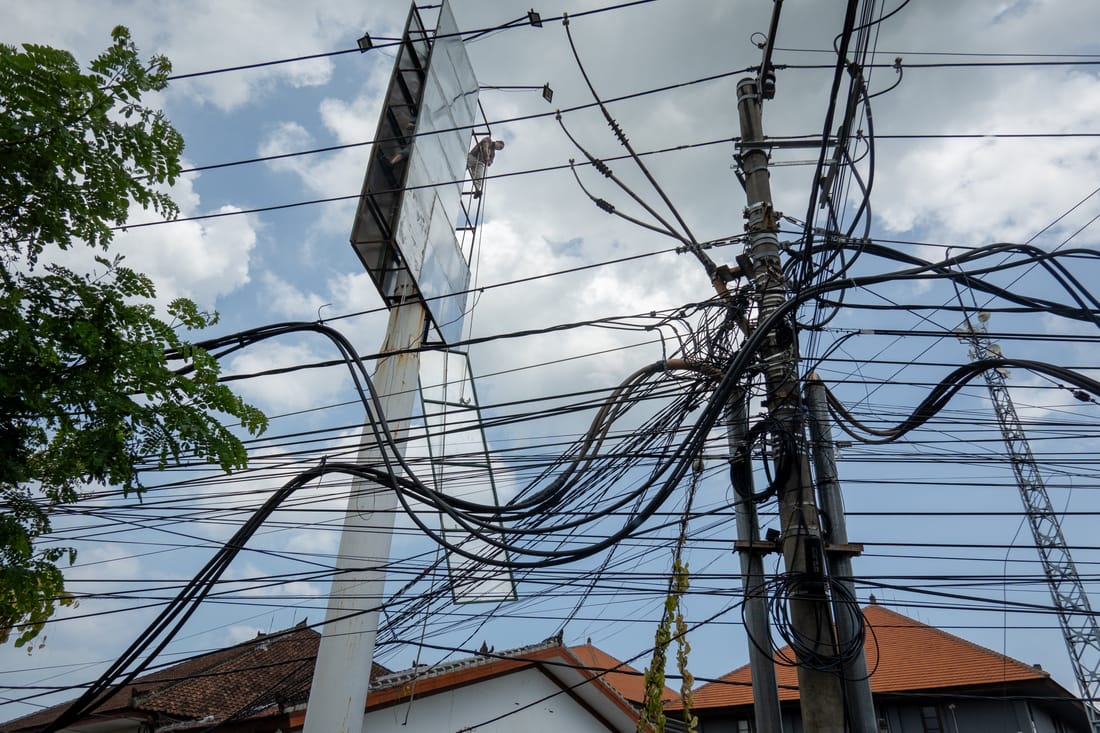
The manual labor here is amazing — not in the sense that it is wonderfully done but in the sense that it’s amazing that in the 21st century these things are still being done by hand. Cement mixing, tile setting and rice planting seemed to be very common employments everywhere we looked and danger didn’t seem to deter men from some other strange and unusual occupations.
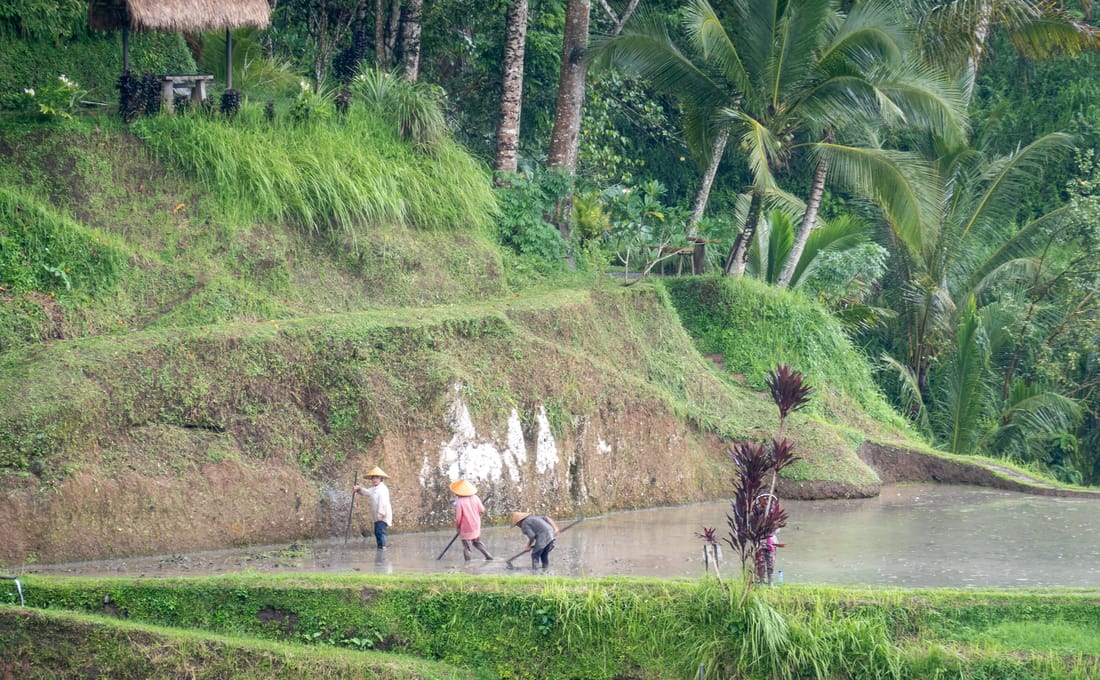
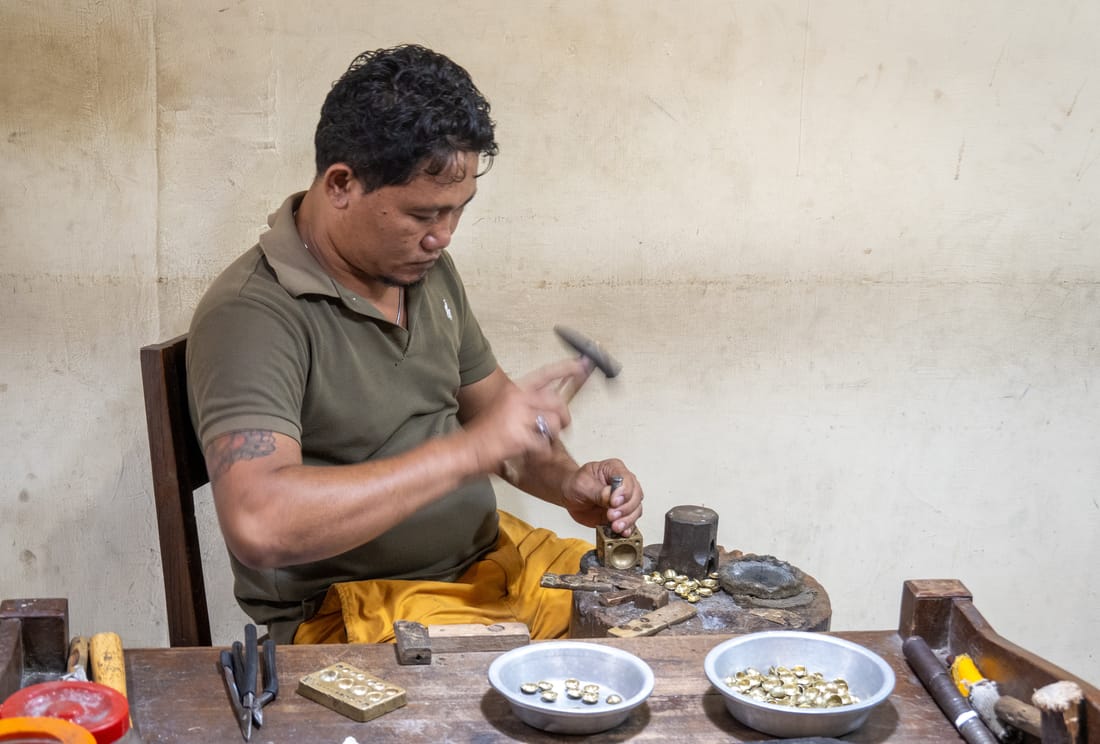
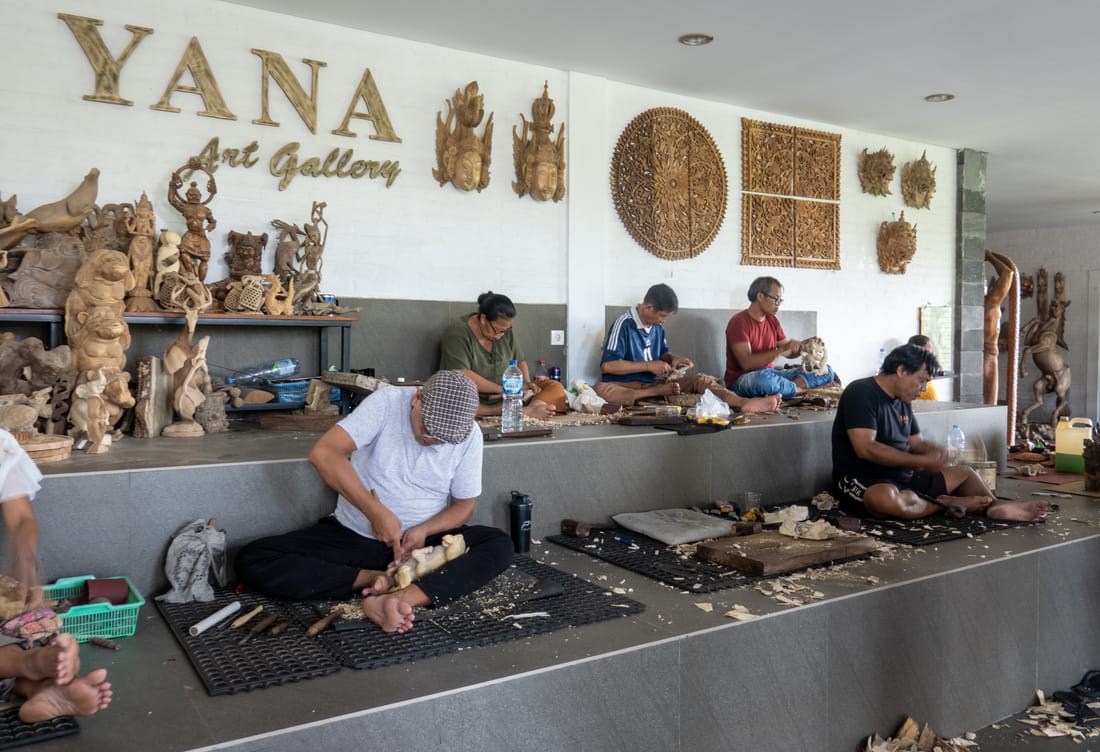
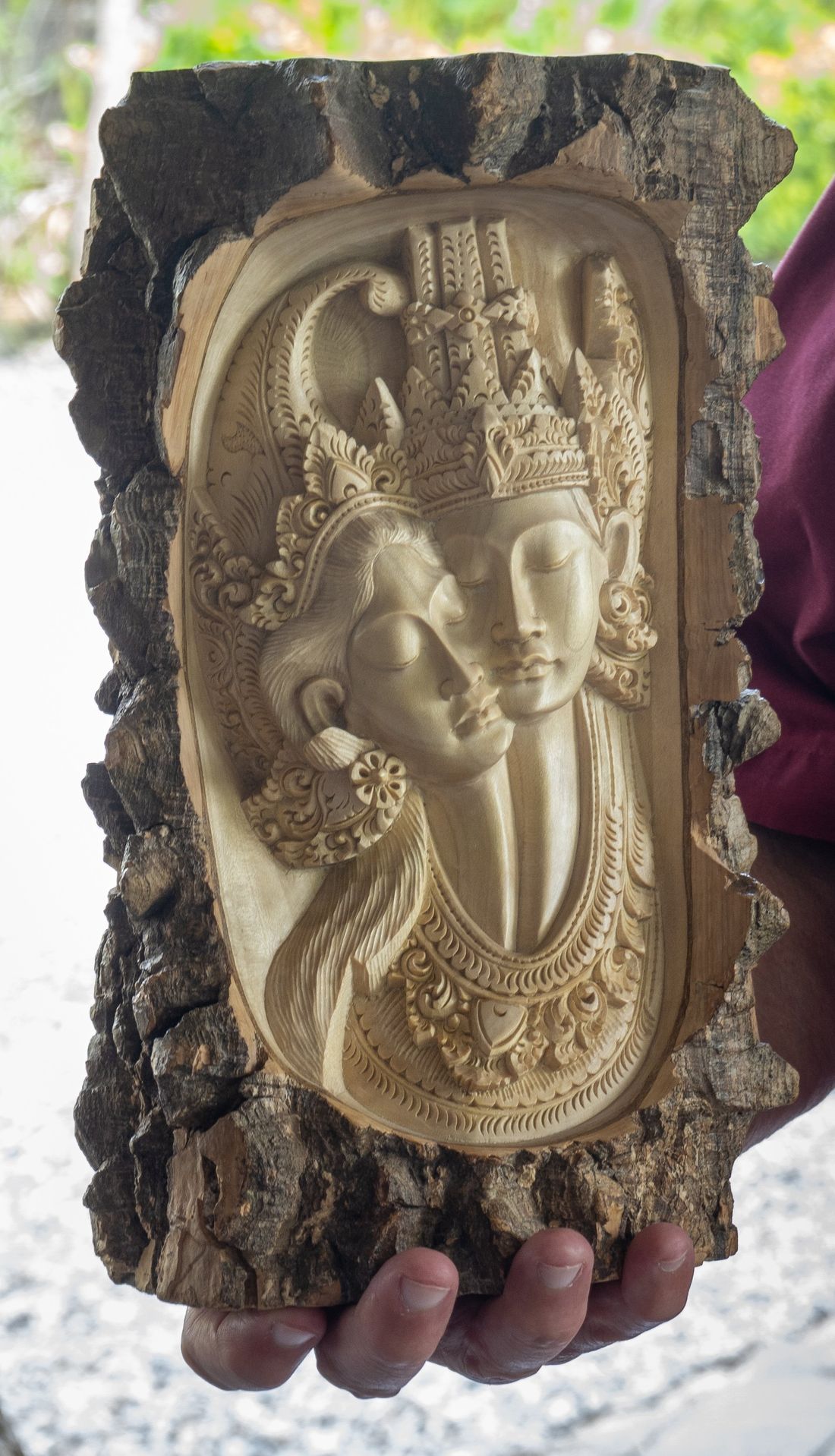
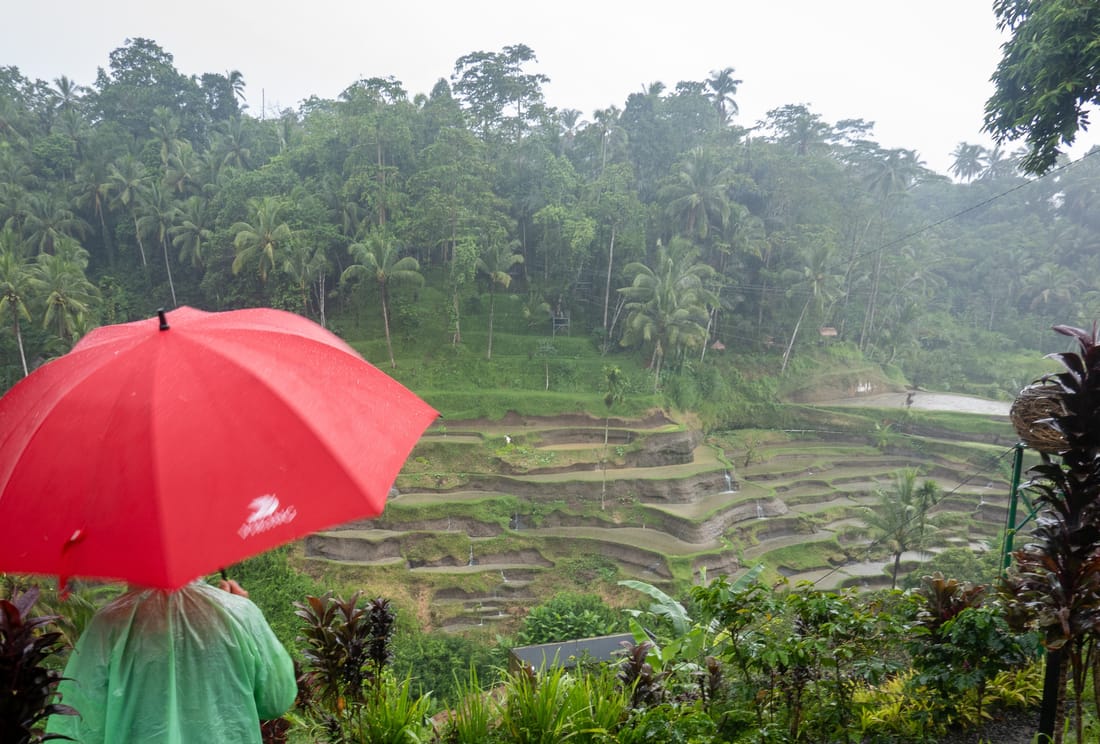
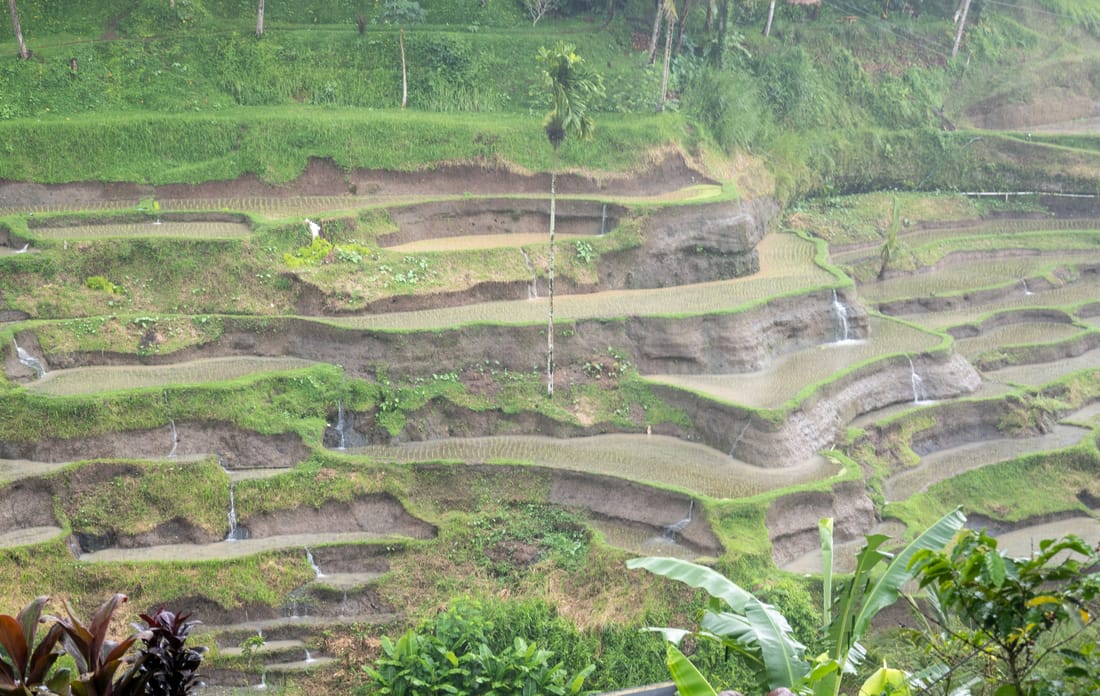
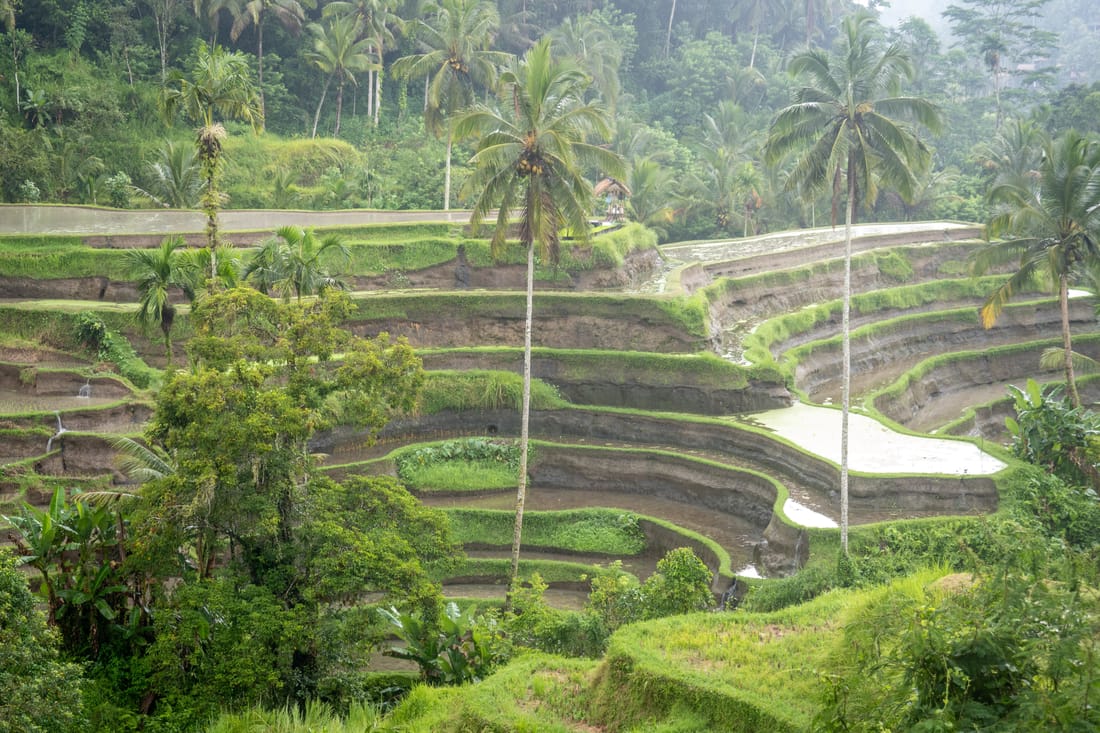
We did appreciate the workmanship of the silver jewelry makers and the wood carvers but we learned that since Bali doesn’t have any natural resources all the raw materials for these and other crafts must be imported. And, indeed, much of their rice is also imported. Rice being a staple of the diet there are thousands of rice farmers trying to grow enough for their families and maybe a little to sell as well as large farms for commercial production. We visited an area in Ubud where the manually structured terraced fields have been worked since the 11th century and an elaborate system of irrigation provides water at the proper time and removes it at the other proper time. Unfortunately it was pouring rain when we were there; hence the foggy pictures.
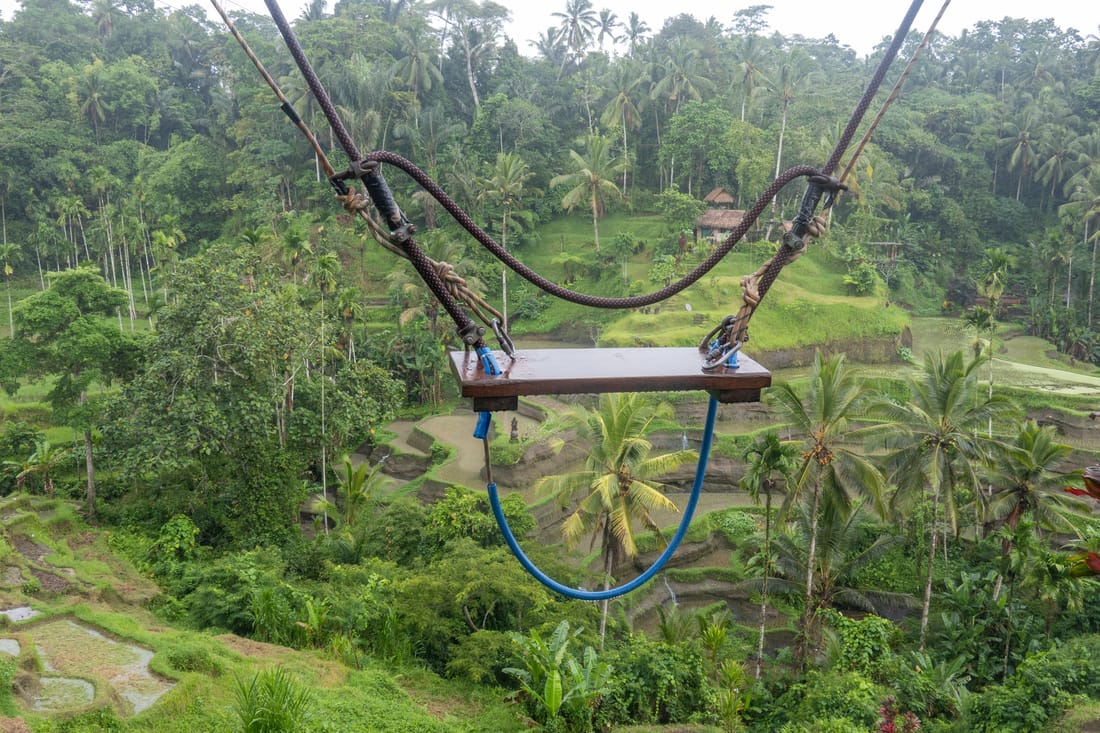
We visited a museum which featured Balinese art and walked around the town after our very short examination of the same. We were not fans. I liked the park-like outside garden better.
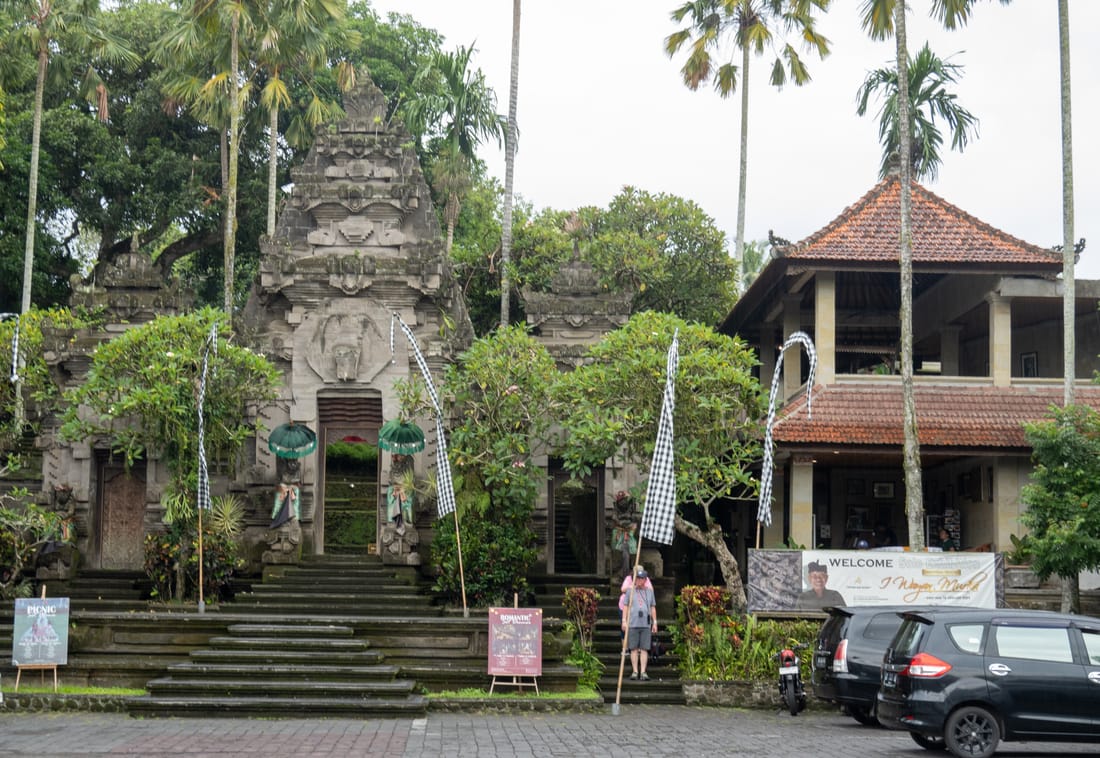
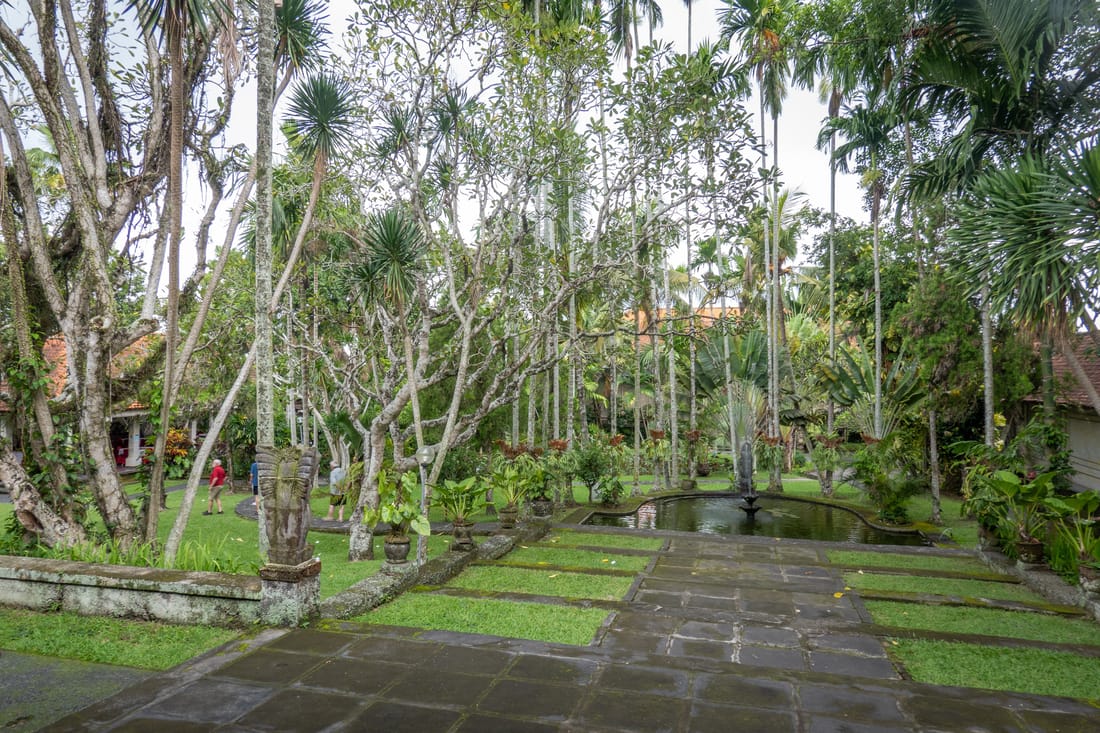
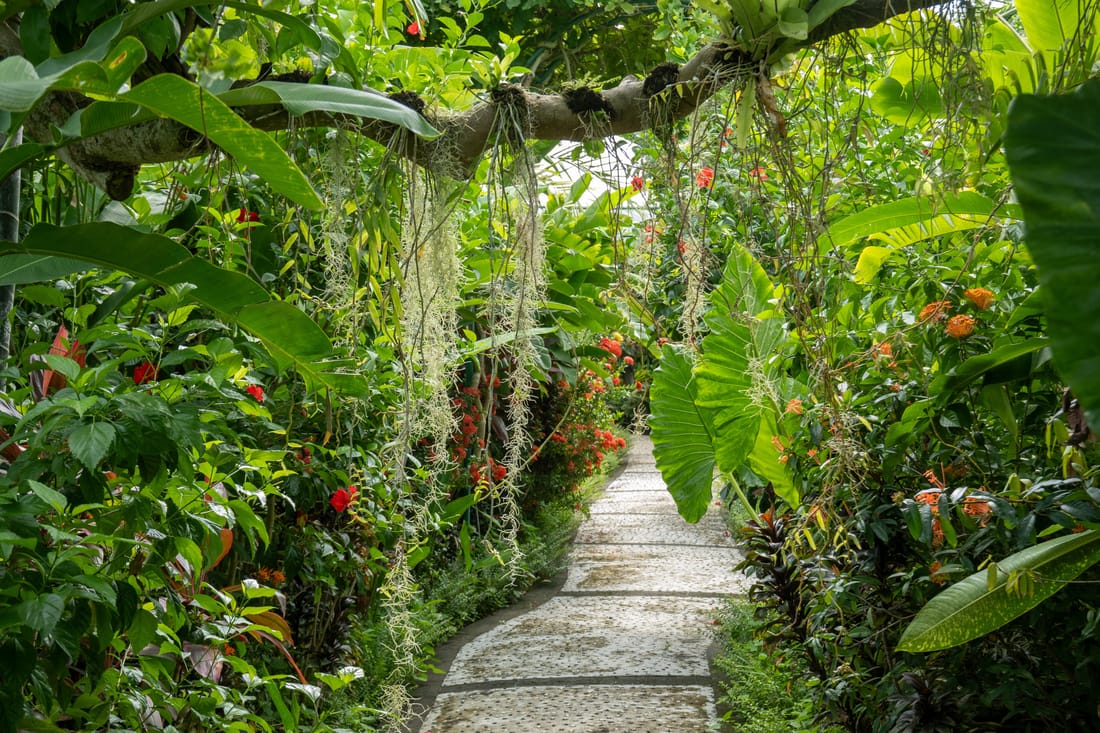
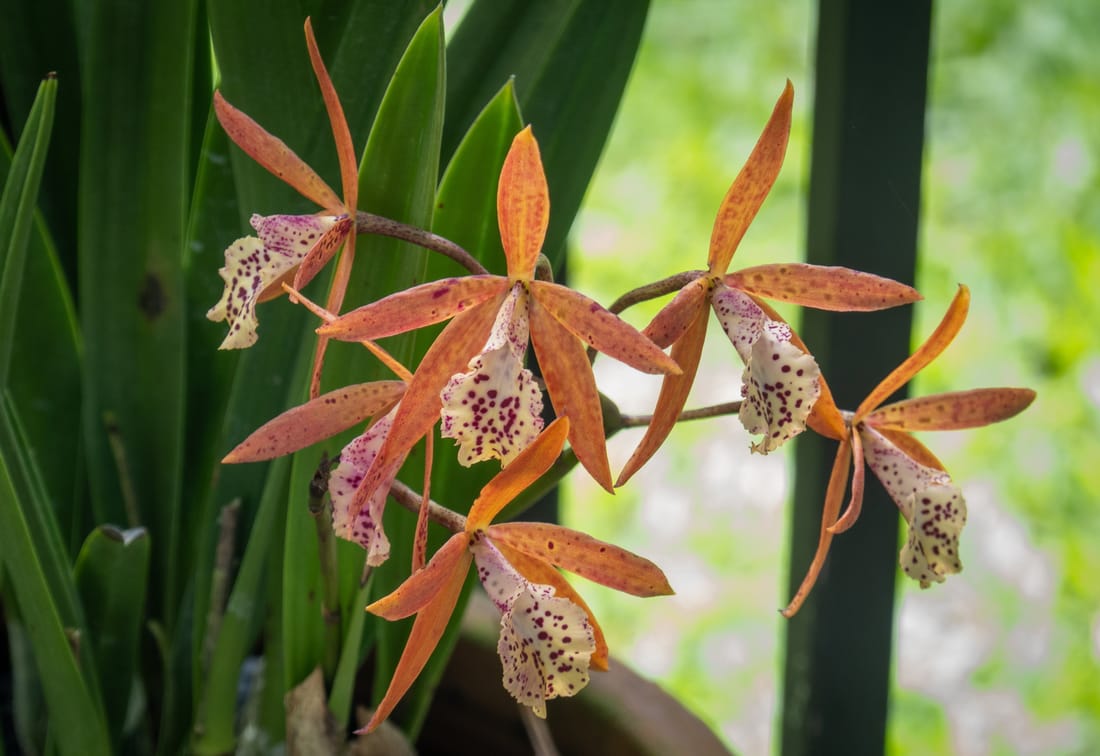
We made a brief stop at an orchid garden and then at a house temple.
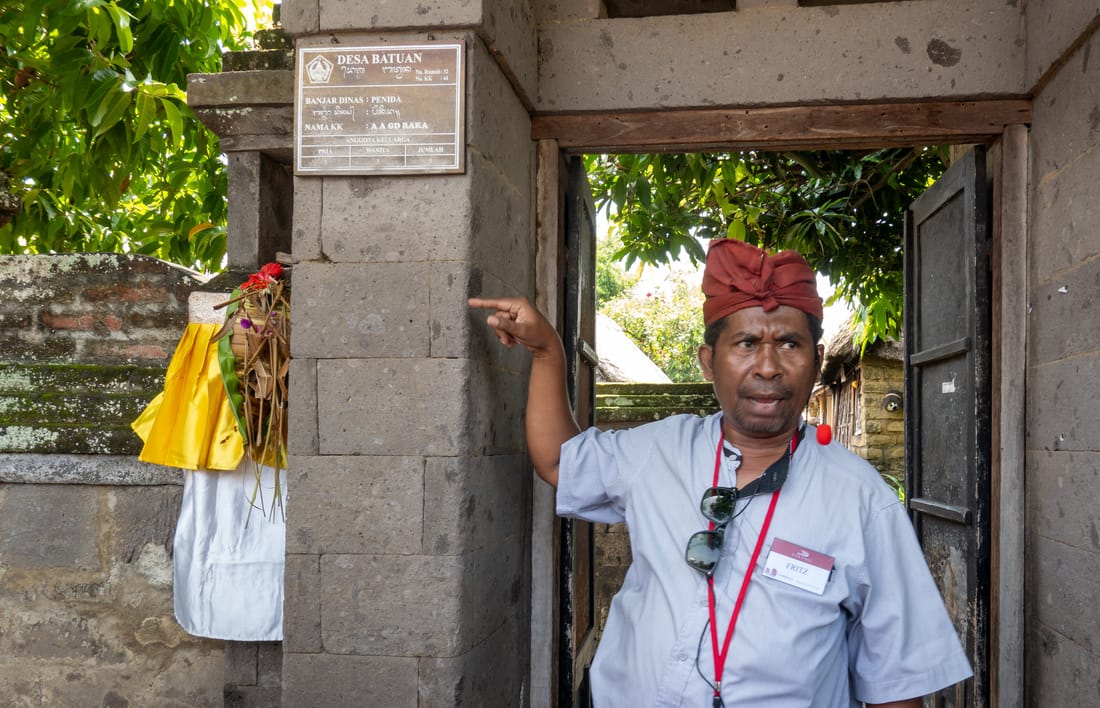
Since we had seen hundreds of these from the street we wanted to see inside because we were genuinely perplexed about them. Every house, which might be home to several families or generations of one family, is built around several alters for Hindu worship. There are also village temples, functional temples and public temples. This is what has made me sad all the time we have been here. The temple worship seems to sap the life and the living out of the people. They would definitely not say that but it takes lots of time and money to perform all the rituals and prepare for all of the many celebrations that they must attend (or be fined or ostracized by the village) and they are not rich people. But the main thing that makes me sad for them is that they continually make offerings to their gods to currie their favor. The countryside is littered (very literally) with their offerings which are such a contrast to God’s unmerited love, shown by His gift to us and not our continual gifts to win His good will. I found it an unattractive religion in every sense.
At the house temple, in a village, we finally understood a bit about how the people live. The house complex consists of several “buildings”, each with a single purpose, and several alters. It is all centered around the prayers and offerings, every day; the centerpiece of their life. The home we visited was just like the hundreds that we drove by each day. The sign on the doorway indicated how many men, women and children resided within and the buildings were just as simple and as uncluttered and as untidy as you could imagine.
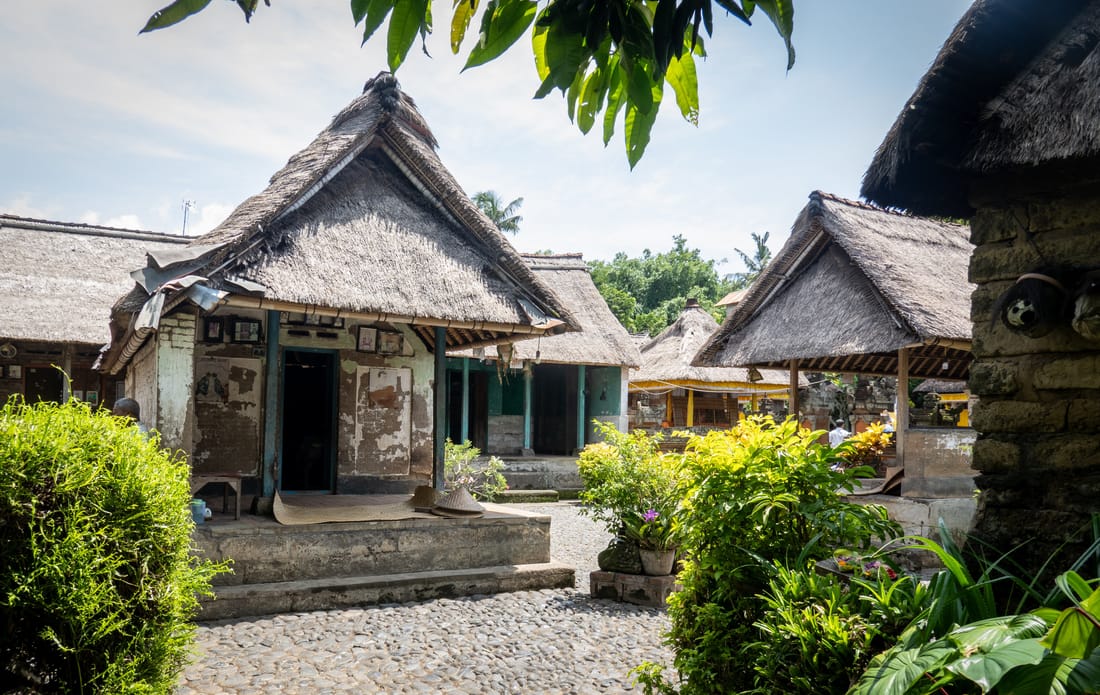
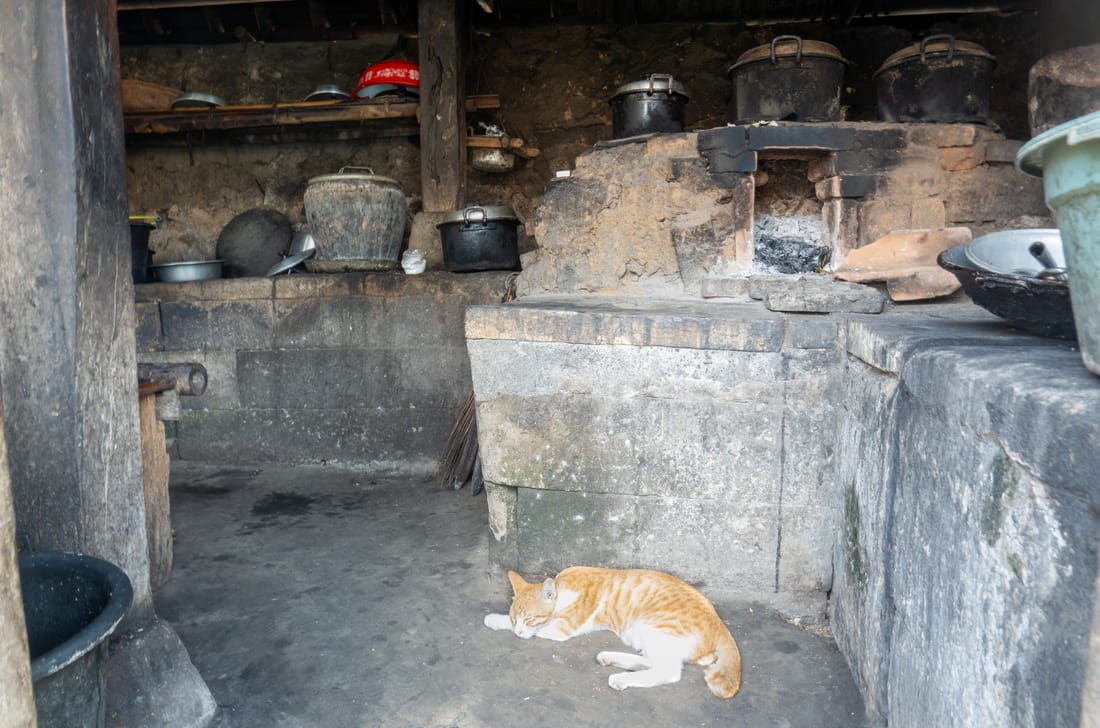
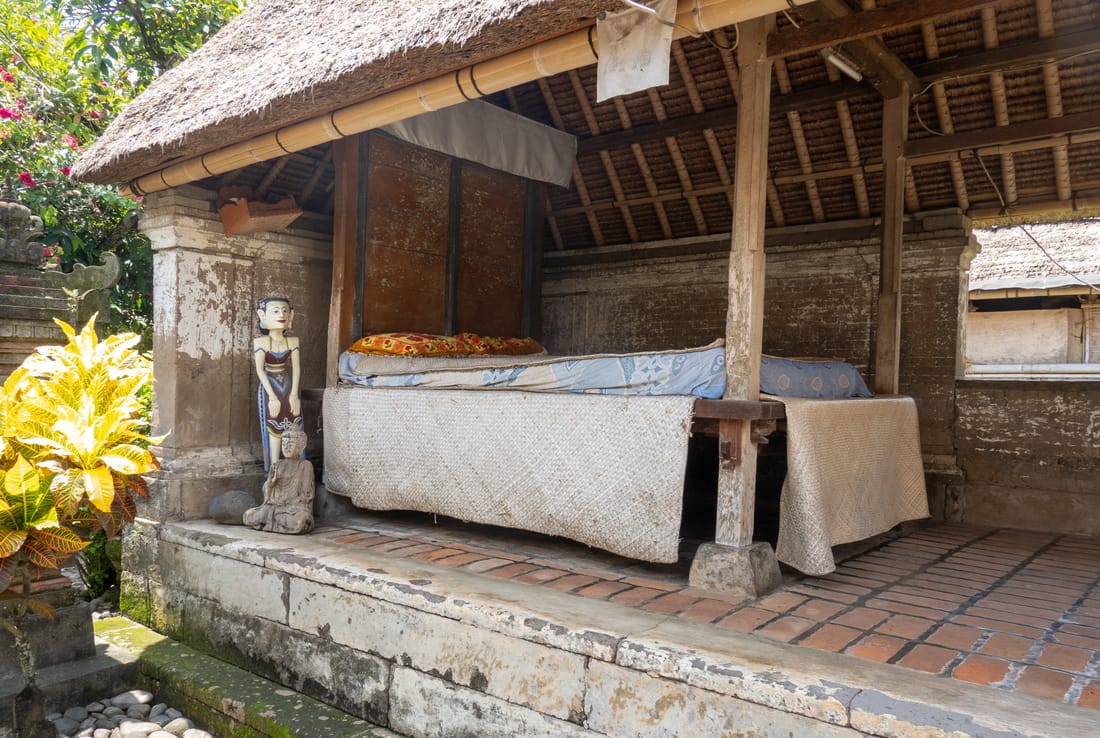
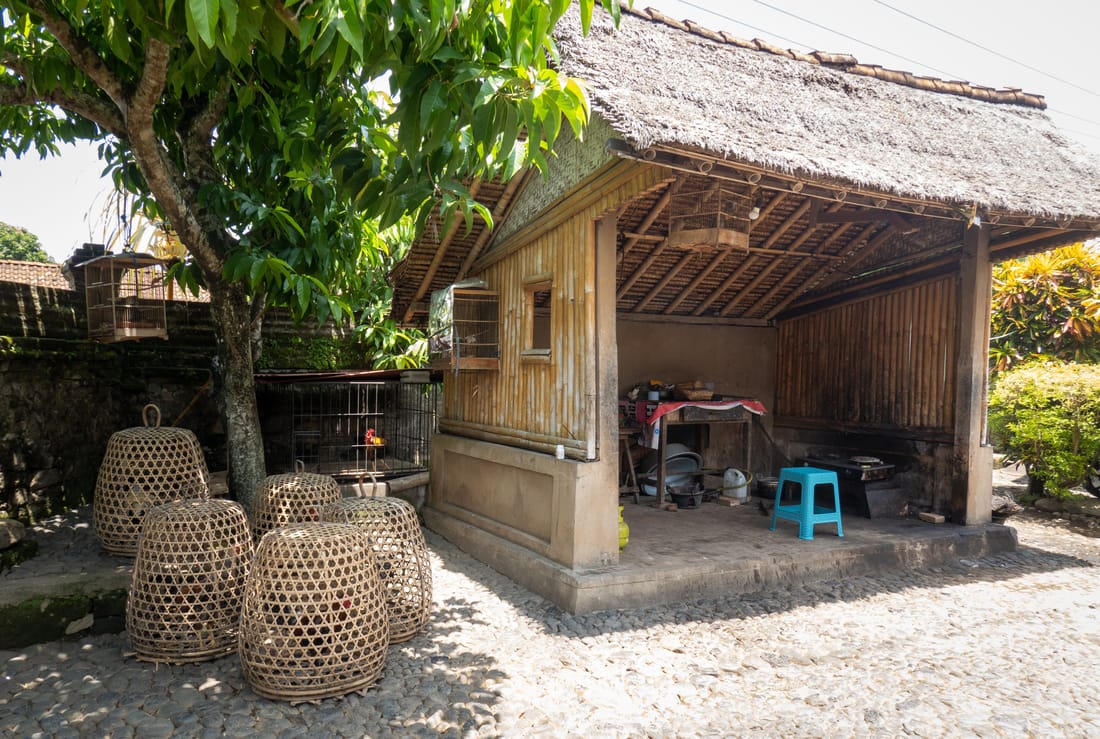
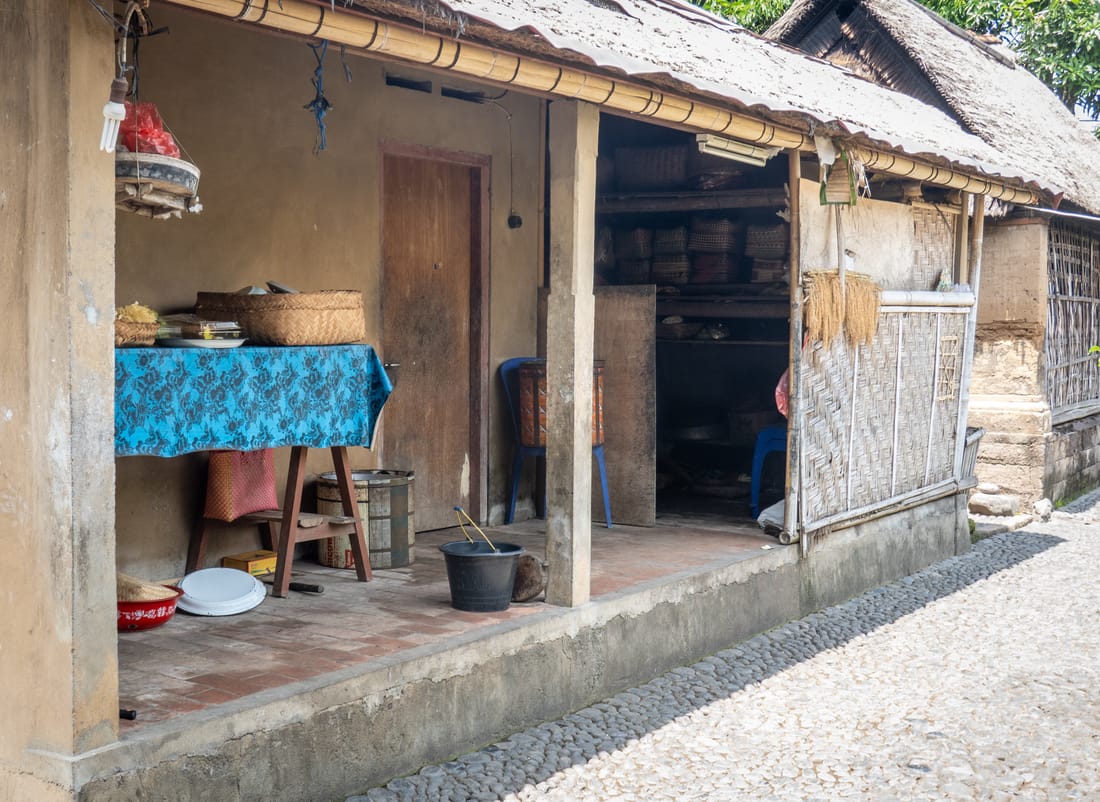
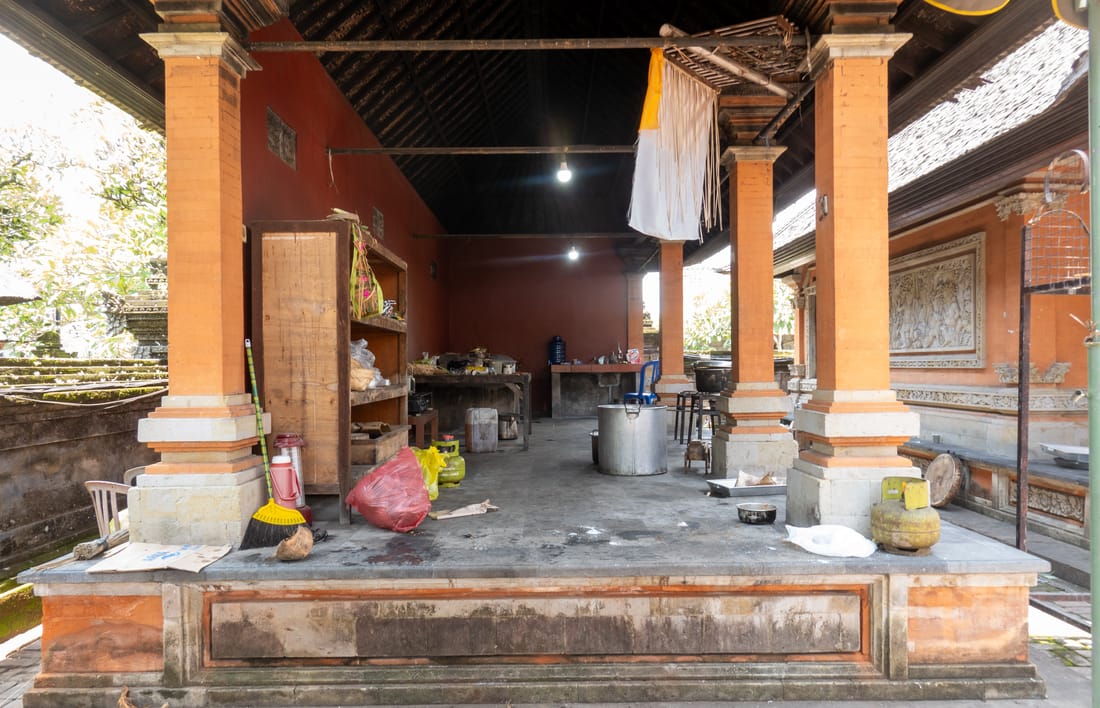
Above is a view in general of the inside of the house temple area. Below is the kitchen building.
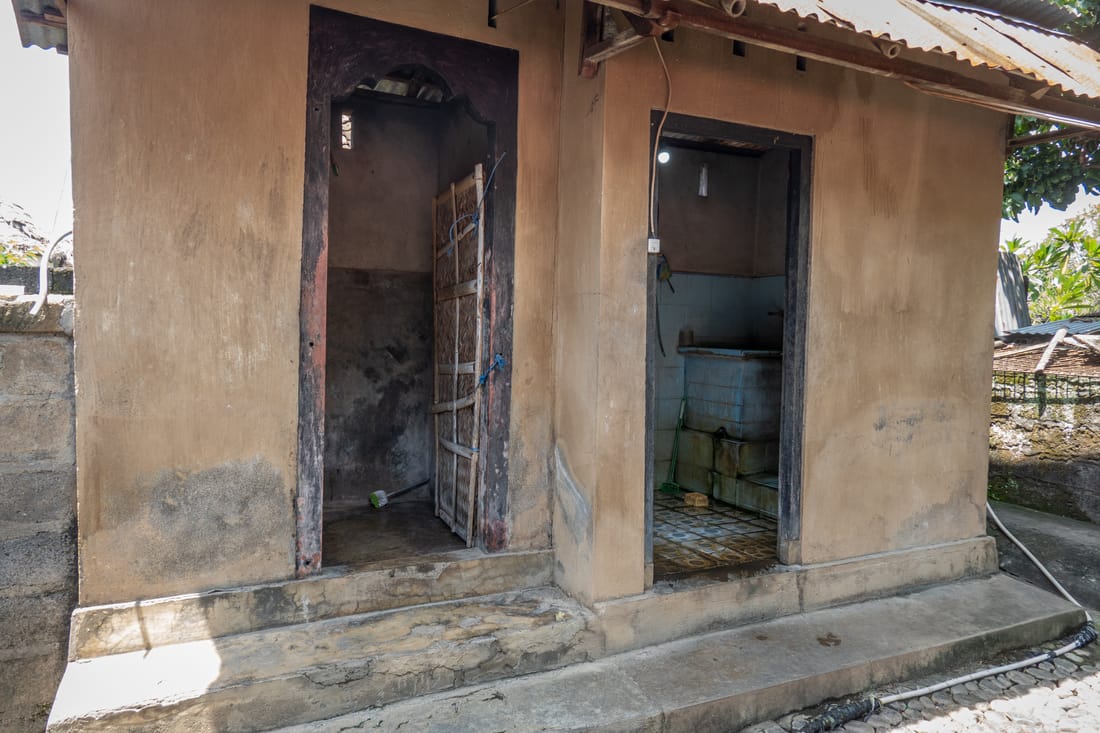
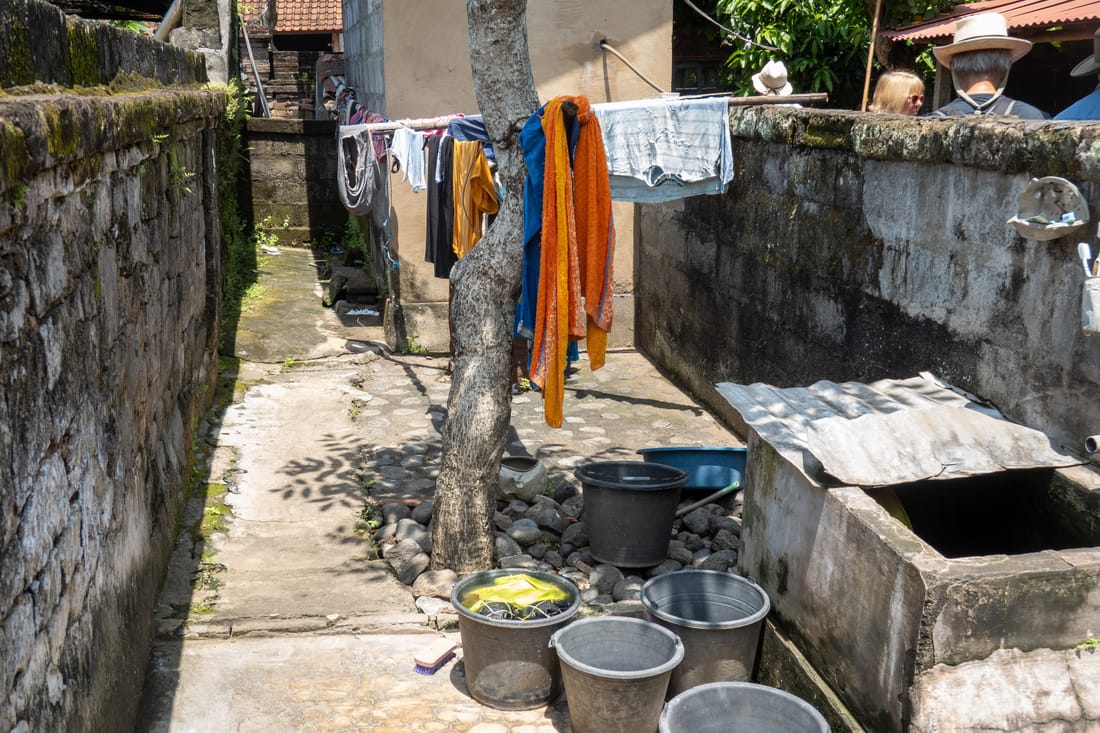
The bathroom building must be on the opposite side of the area and the laundry is outside.
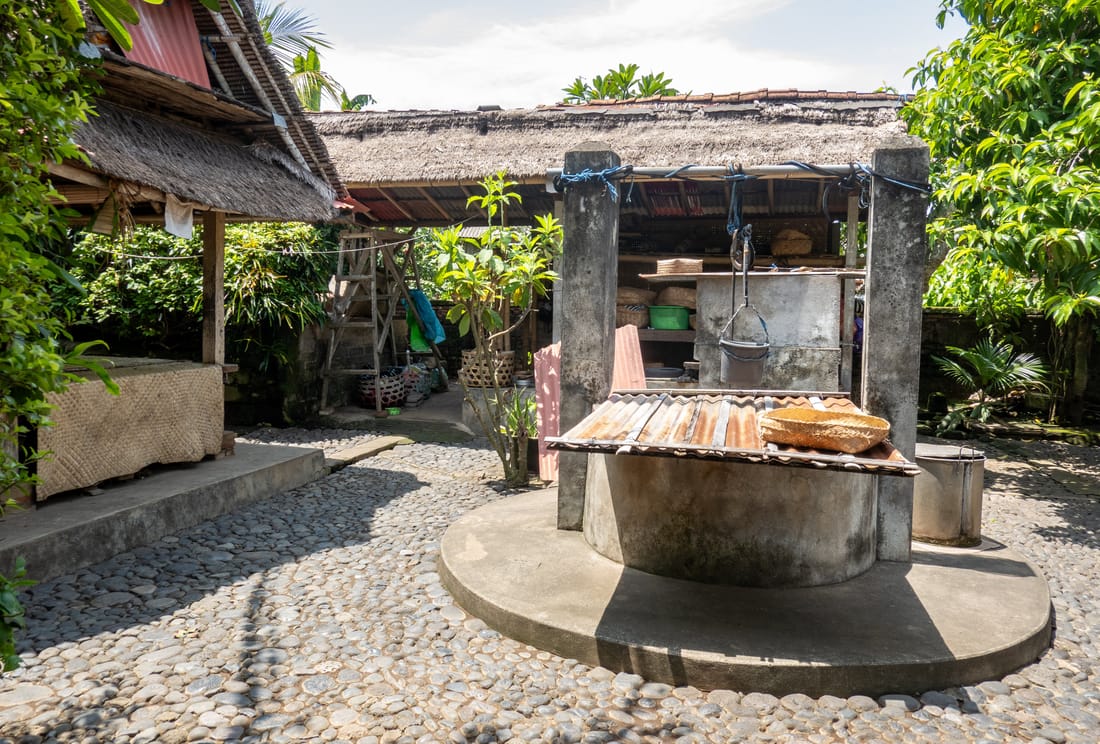
The well, above, provides their water and the animals live in the backyard.
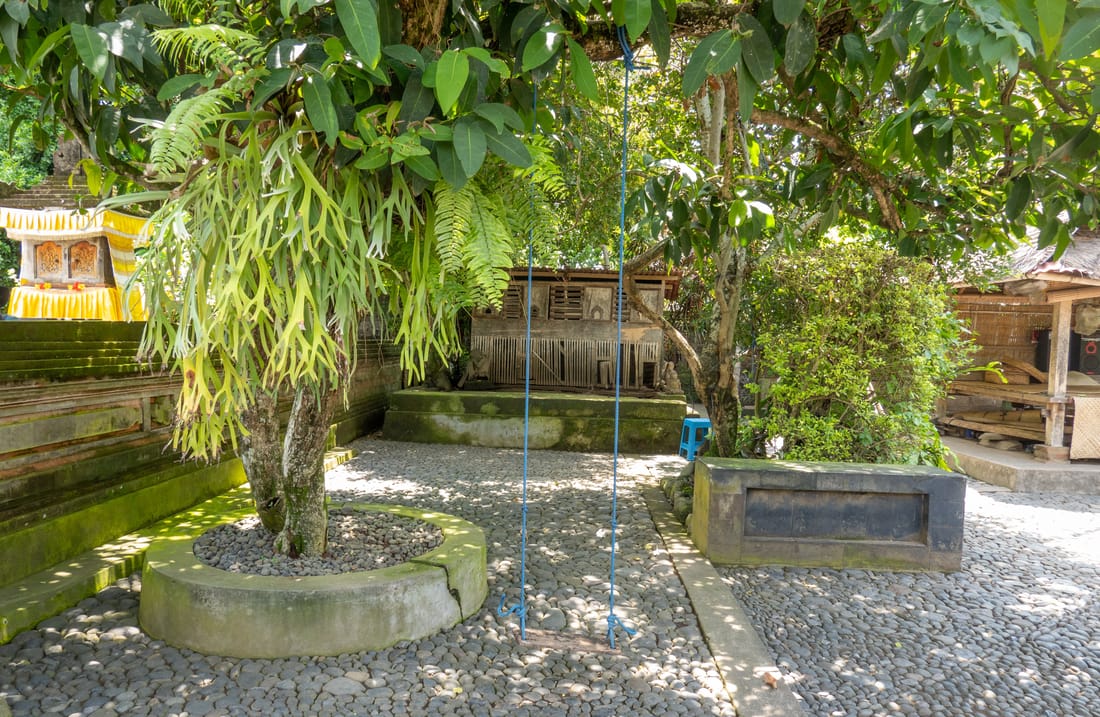
The adults have their own bedroom and the children their separate building and there’s a pavilion with a bed provided for laying out the deceased. (More on cremations tomorrow.)
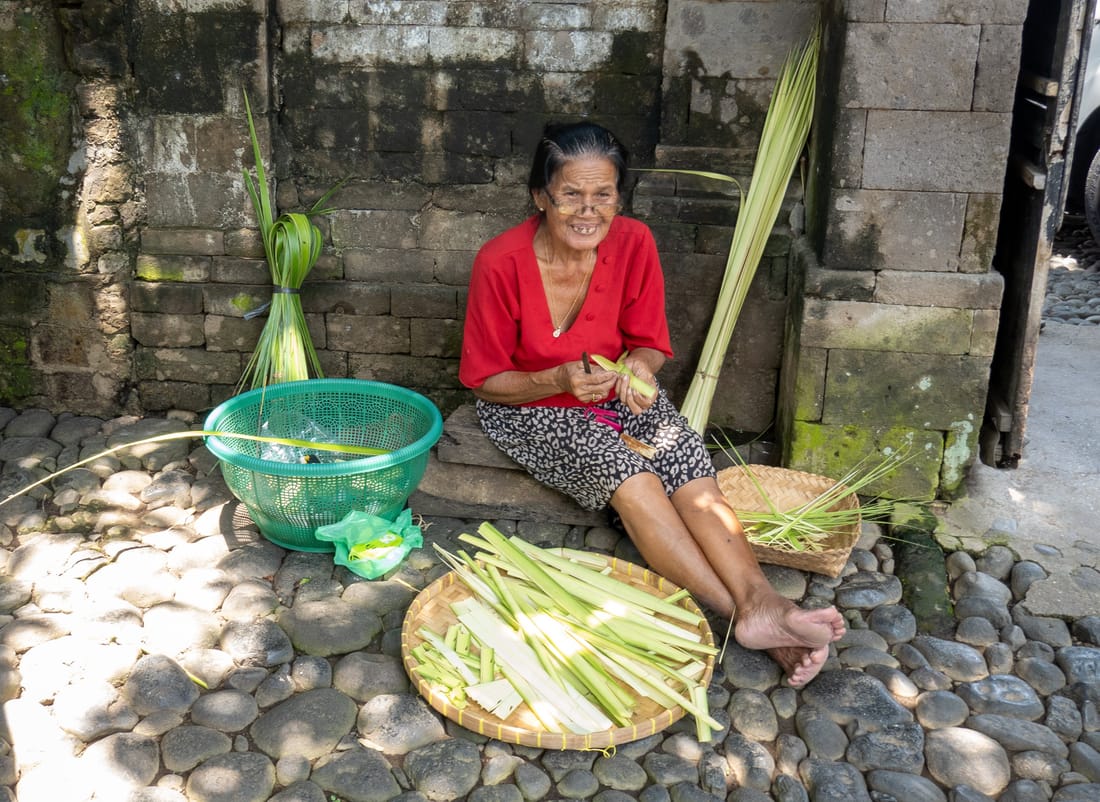
The workshop was in the back. While we were there the grandmother was making items for the offerings which were put together in this building.
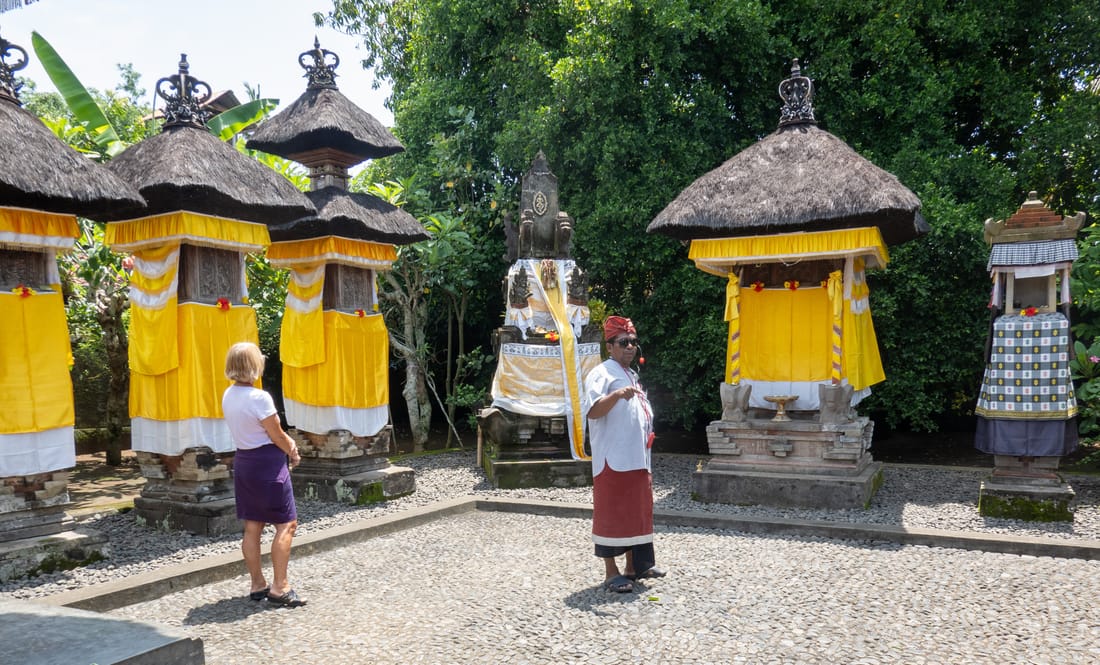
And the central focus of the whole house temple was, of course, these alters.
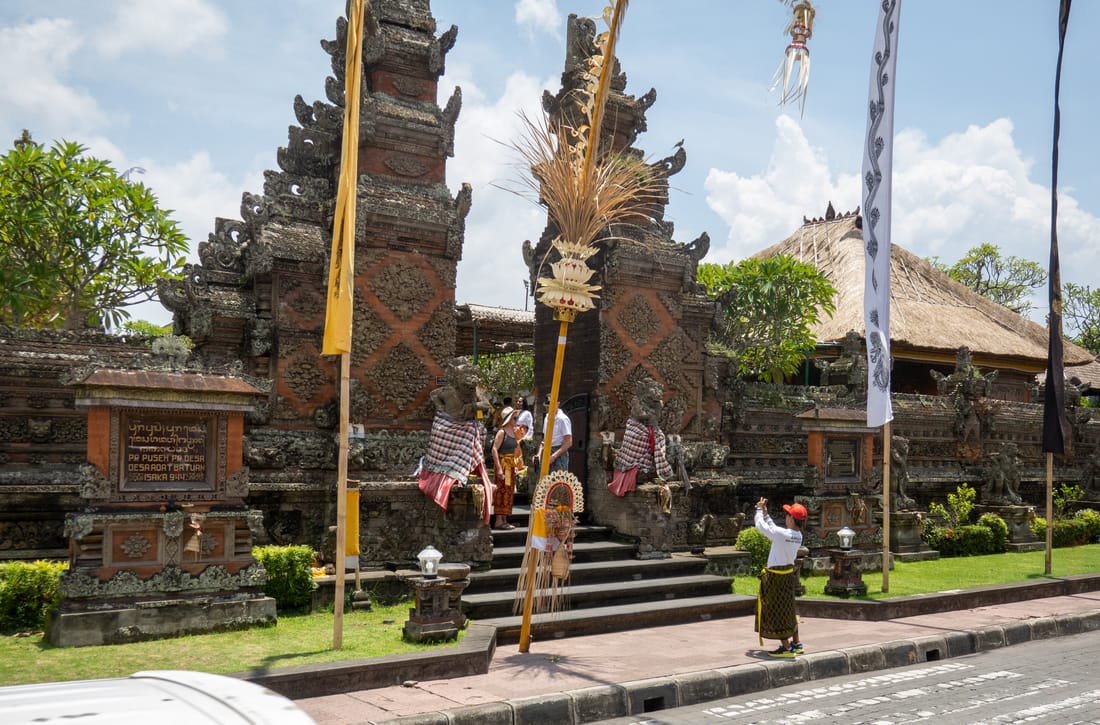
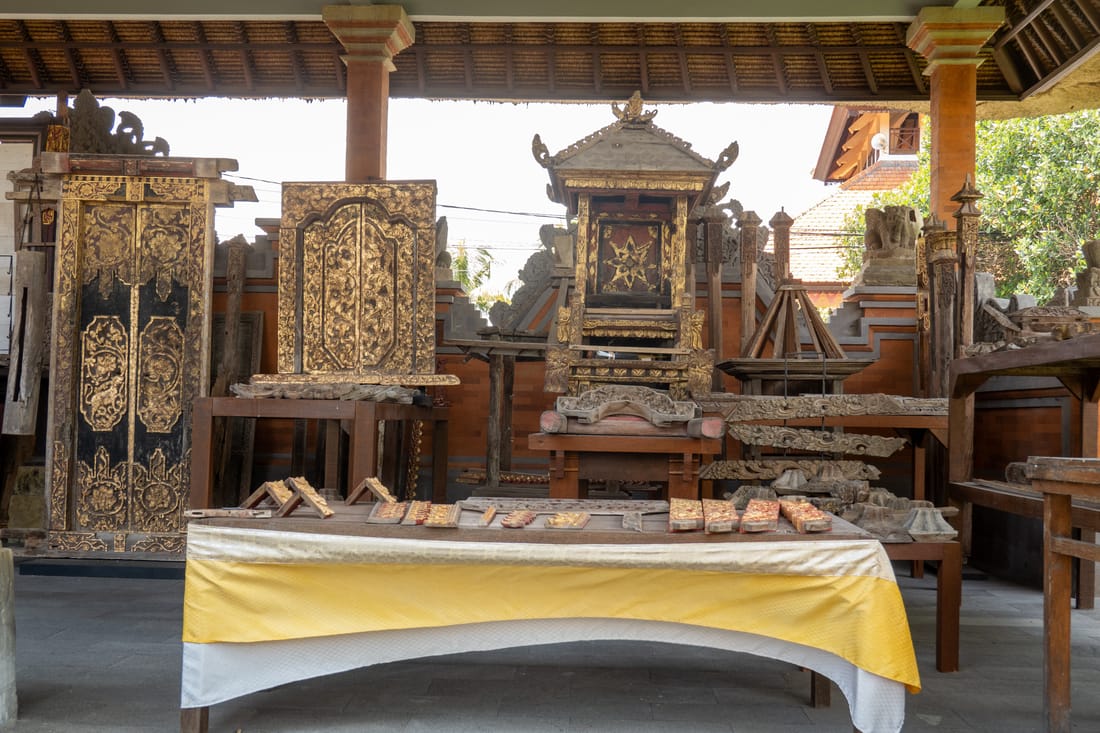
So, every day the family offers gifts at these alters and then on specified days they go to the village temple where they cook in places like this and offer even more offerings. Everything in the temple looks old and they even keep the old broken parts of the temple in a kind of antique alcove there.
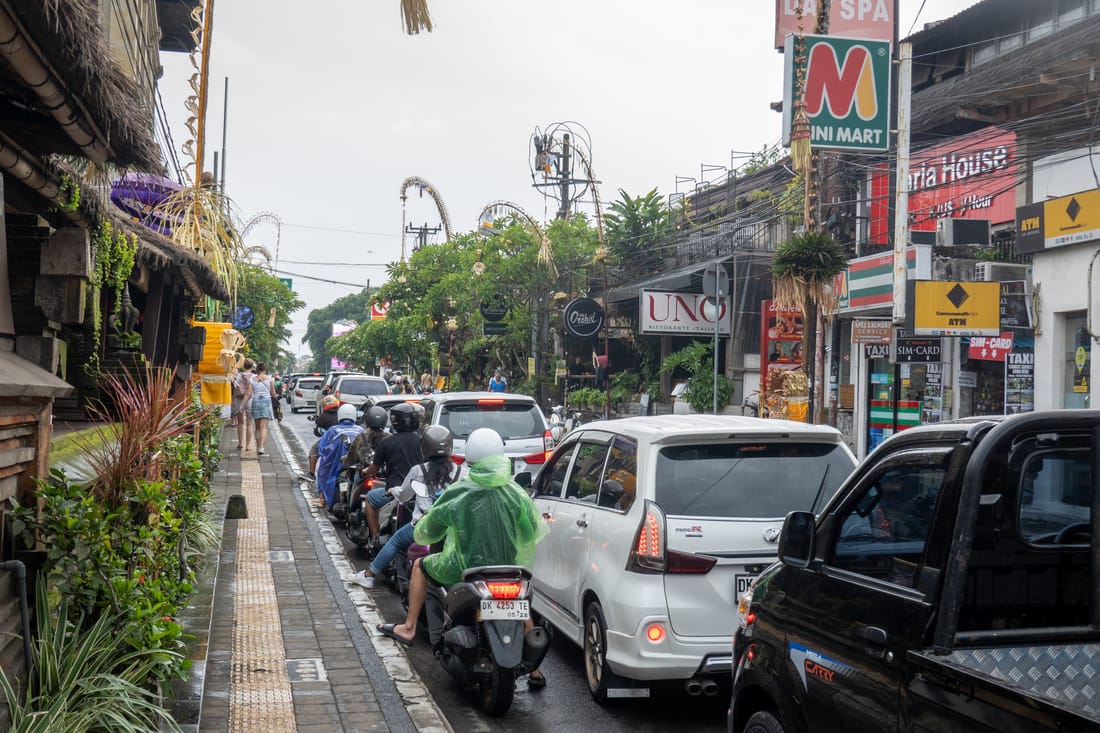
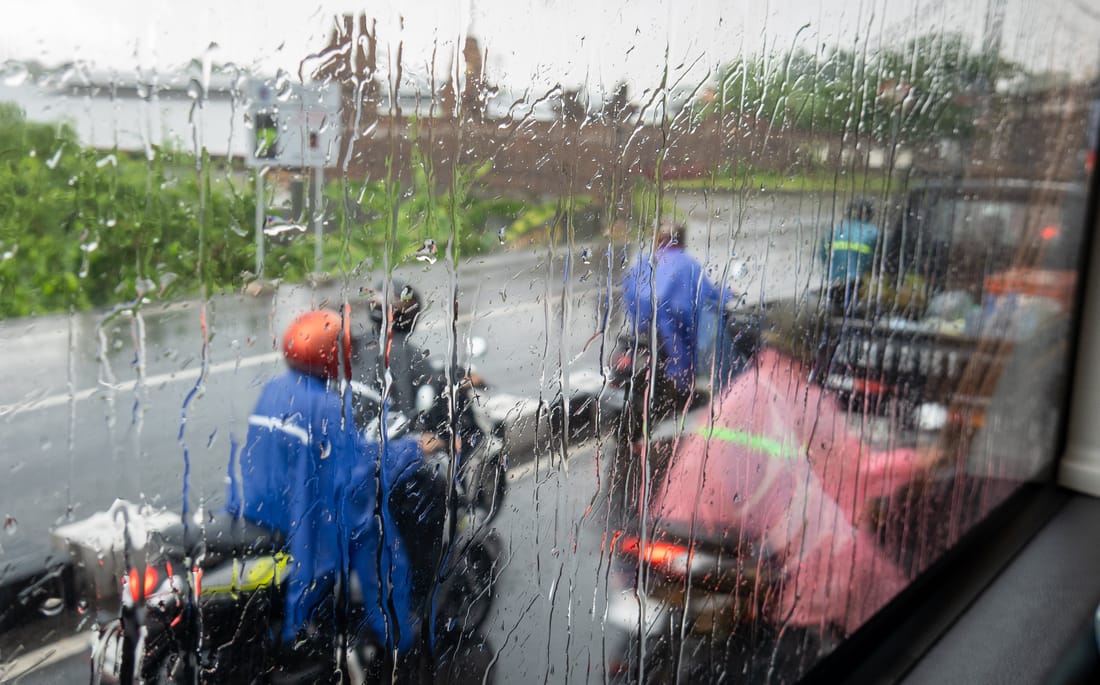
It appears to rain every afternoon during this rainy season so we are getting accustomed to wearing ponchos but it’s hard to imagine how wet the locals are getting even in their ponchos as they speed along on the scooters which are 70 percent of the vehicles on the roads here.
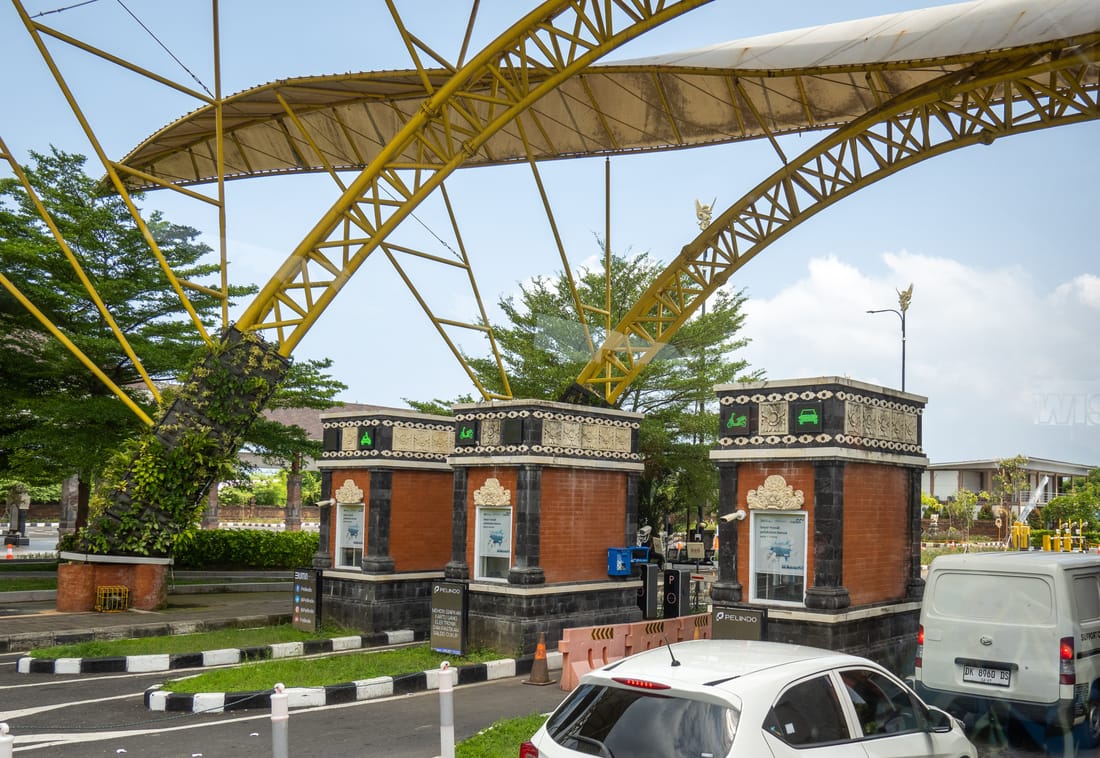
Check out this toll both!
So, our first two days in Bali left us with the impression of a poor (average income of $5 per day), semi-literate (school costs and many cannot afford it), not very clean (the water everywhere is full of garbage), and very oppressive Hindu society. But the people are friendly and, at least on the surface, appear to be happy!
Amazing pictures of the true Bali!